Enhancing Your Garden Design with the Sweetbay magnolia Plant: A Landscaping Guide
1
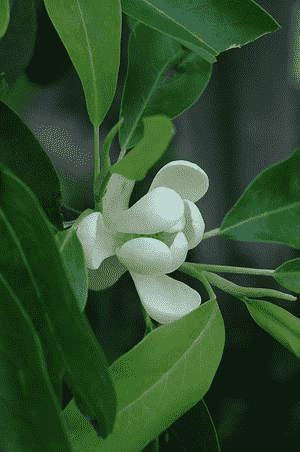
Sweetbay magnolia is prized for its lovely, aromatic blossoms.
2
Strategic positioning of Sweetbay magnolia in your yard can greatly enhance its vitality and look.
3
Incorporating Sweetbay magnolia alongside suitable flora can result in a more harmonious and appealing garden design.
Sweetbay Magnolia's Role in Landscaping
The Growing Popularity of Sweetbay Magnolia in Contemporary Landscape Designs
Sweetbay magnolia has recently become a popular choice in modern landscape architecture due to its remarkable beauty and adaptability. Landscape designers and homeowners alike are drawn to its graceful appearance and the subtle charm it brings to outdoor areas. Whether utilized as a focal point or integrated into a more intricate design, Sweetbay magnolia enhances any garden with a touch of elegance. Its increasing demand is also attributed to its resilience, allowing it to flourish in diverse environments and climates.
What Visual Characteristics Make Sweetbay Magnolia a Preferred Option for Gardeners and Landscapers?
The visual allure of Sweetbay magnolia primarily stems from its exquisite flowers and appealing foliage. Its blossoms, often creamy white, emit a delightful scent, making them a wonderful addition to any garden. Moreover, Sweetbay magnolia boasts lush, green leaves that serve as an attractive backdrop for other plants and flowers. Its adaptable size and form enable its use in various landscape styles, from formal garden settings to more relaxed, naturalistic layouts. These aesthetic qualities make Sweetbay magnolia a favorite among those aiming to create visually pleasing and fragrant outdoor spaces.
Selecting the Optimal Site for Sweetbay Magnolia
Key Considerations for Choosing a Planting Site for Sweetbay Magnolia
Choosing the correct location for Sweetbay magnolia is vital for its development and overall well-being. Evaluate factors such as sun exposure, soil composition, and moisture levels. Sweetbay magnolia thrives in areas receiving partial to full sunlight and well-draining, slightly acidic soil. It also flourishes in moist conditions, making it ideal for planting near water features or in well-irrigated garden sections. Additionally, consider the plant's mature size to ensure ample room for growth without encroaching on other plants or structures.
How Site Selection Impacts the Growth and Health of Sweetbay Magnolia
The appropriate location significantly influences Sweetbay magnolia's ability to flourish. Adequate sunlight provides the energy necessary for photosynthesis and flower production. Soil quality affects nutrient absorption, which is crucial for vigorous growth and vibrant blooms. Consistent moisture is also essential, as Sweetbay magnolia prefers steady hydration without becoming waterlogged. A carefully chosen site not only supports healthy development but also reduces the likelihood of pest infestations and diseases, simplifying maintenance and increasing its effectiveness.
Pairing Sweetbay Magnolia with Other Plants
Companion Plants that Harmonize with Sweetbay Magnolia in Your Garden
When incorporating Sweetbay magnolia into your garden, it's important to select companion plants that complement its beauty and growth requirements. Consider pairing Sweetbay magnolia with plants that thrive in similar conditions, such as ferns, hostas, and azaleas. These plants share Sweetbay magnolia's preference for moist, well-drained soil and partial shade. Furthermore, their varied textures and colors can enhance the garden's overall visual appeal, creating a more dynamic and unified landscape.
Design Strategies for Crafting a Cohesive Plant Arrangement
Creating a harmonious plant arrangement with Sweetbay magnolia requires thoughtful planning and design. Begin by considering the height and spread of each plant to ensure balanced proportions. Utilize Sweetbay magnolia as a central feature and arrange smaller companion plants around it to create layers of height and texture. Be mindful of color combinations, employing complementary or contrasting hues to add visual interest. Also, consider the blooming periods of your plants to ensure continuous visual appeal throughout the seasons.
Seasonal Care for Sweetbay Magnolia
Ensuring Sweetbay Magnolia Thrives Throughout the Year
Ensuring Sweetbay magnolia flourishes year-round necessitates seasonal-specific care. In spring, focus on enriching the soil with compost and adjusting watering schedules to support new growth. During summer, maintain consistent moisture levels and apply mulch around the base to retain soil moisture and regulate temperature. In fall, prepare Sweetbay magnolia for winter by pruning any dead or diseased branches and adding a layer of mulch to protect roots from frost. During winter, consider covering young plants or those in particularly cold regions with burlap to shield them from harsh winds and freezing temperatures.
Specific Requirements of Sweetbay Magnolia During Each Season
Each season presents distinct challenges and opportunities for caring for Sweetbay magnolia. In spring, prioritize fertilization and pest control to stimulate healthy growth. Summer care involves regular watering and checking for signs of heat stress or pests. Fall is the time for pruning and preparing the plant for winter dormancy. During winter, minimal care is needed, but it's crucial to monitor for signs of frost damage and provide protection as required. Addressing these seasonal needs ensures Sweetbay magnolia remains healthy and attractive throughout the year.
Maintaining the Aesthetic Appeal of Sweetbay Magnolia
Routine Tasks to Keep Sweetbay Magnolia Healthy and Visually Pleasing
Maintaining the aesthetic appeal of Sweetbay magnolia involves a few regular tasks that ensure its health and beauty. Consistent watering, especially during dry periods, is essential. Annual pruning should be performed to remove dead or damaged branches and to shape the plant. Fertilization once or twice a year with a balanced fertilizer helps promote vigorous growth and vibrant blooms. Mulching not only retains soil moisture but also provides a neat, finished look to the garden. Additionally, monitoring for pests and diseases allows for prompt intervention, preventing potential problems from escalating.
Early Detection and Resolution of Potential Issues
Early identification and intervention are crucial for maintaining the health of Sweetbay magnolia. Regularly inspect the plant for signs of pests such as aphids or scale and treat infestations promptly with appropriate organic or chemical solutions. Watch for symptoms of common diseases like powdery mildew or root rot and address them through proper watering practices and, if necessary, fungicidal treatments. Ensuring good air circulation around the plant and avoiding overwatering can prevent many common issues, helping Sweetbay magnolia remain a beautiful and thriving part of your landscape.



