Enhancing Your Garden Design with the Cassava Plant: A Landscaping Guide
1
Cassava offers both visual charm and practical advantages to any garden, combining aesthetic value with functional uses.
2
Providing appropriate light exposure and ground conditions is crucial for Cassava's robust development.
3
Strategic planting alongside other species can boost Cassava's development and naturally deter harmful insects.
Appreciating Cassava's Visual Appeal
Visual Traits: What Makes Cassava Unique?
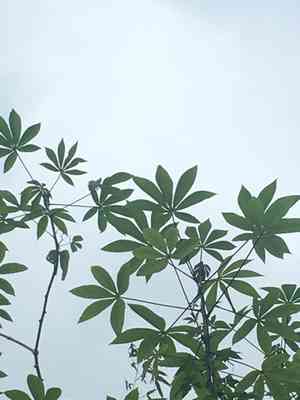
For landscape enhancement, Cassava offers distinct visual qualities that make it a prominent selection. Its sizable, lobed leaves provide a dramatic, tropical appearance. The plant's sturdy build, coupled with its height, can introduce vertical interest to any garden layout. Cassava is an ideal choice if your goal is to establish a focal point or add an exotic touch to your outdoor space.
Color and Texture: Enriching Your Garden's Palette
Cassava's color and texture significantly contribute to its allure. The rich green foliage is lush and inviting, serving as a vibrant backdrop for other plants. The somewhat coarse leaf texture contrasts well with smoother foliage, creating a balanced and visually pleasing garden palette. Incorporating Cassava into your garden can diversify and enrich its overall look.
Seasonal Changes: Cassava's Yearly Transformation
A captivating aspect of including Cassava in your landscape is observing its yearly transformation. During spring and summer, Cassava flourishes, displaying its full splendor with abundant growth. As seasons shift, the plant's hues may alter slightly, and you might notice variations in its leaf texture. These seasonal shifts can add a dynamic element to your garden, keeping it engaging throughout the year.
Selecting the Optimal Location for Cassava
Sunlight Needs: Finding the Perfect Exposure
Cassava thrives best in areas receiving ample sunlight. Ideally, aim for a spot that gets at least six hours of direct sun daily. This ensures vigorous growth and vibrant foliage. However, in exceptionally hot climates, some afternoon shade can help shield the plant from scorching.
Soil Preferences: Ensuring a Healthy Growing Environment
To give Cassava the best chance to flourish, plant it in well-draining soil. While it tolerates various soil types, overly wet conditions can lead to root issues. Adding organic matter or compost to your soil can improve its structure and fertility, fostering a healthier environment for Cassava's roots to establish and grow.
Space Considerations: How Much Room Does Cassava Require?
When planning to integrate Cassava into your landscape, it's crucial to consider the space it will occupy. Cassava can grow quite large, often reaching heights of up to 10 feet. Ensure you provide sufficient room for the plant to expand without encroaching on other garden elements. Proper plant spacing not only prevents overcrowding but also improves air circulation, reducing the risk of pest and disease problems.
Companion Planting with Cassava
Synergistic Pairings: Which Plants Complement Cassava?
Companion planting is an excellent strategy for maximizing Cassava's benefits in your garden. Consider pairing Cassava with plants like legumes, which can help fix nitrogen in the soil and offer mutual advantages. Herbs such as basil or cilantro can also be good companions, as they enhance the garden's utility and beauty. Combining these plants can create a more balanced and self-sustaining ecosystem.
Pest Prevention: Plants That Safeguard Cassava
Certain plants can act as natural protectors for Cassava, helping deter pests and lessen the need for chemical interventions. Marigolds, for instance, are known for their pest-repelling qualities and can be planted near Cassava to help ward off harmful insects. Similarly, incorporating plants like garlic or onions can create a natural barrier against pests, protecting your Cassava and other garden inhabitants.
Integrating Cassava into Diverse Landscape Designs
Formal Landscape Settings: Incorporating Cassava
In a formal landscape setting, Cassava can be used to establish symmetry and structure. Its bold presence makes it suitable for framing pathways, entranceways, or for use in symmetrical planting schemes. The uniformity and clean lines of formal gardens can be enhanced by Cassava's distinct and robust form, providing a striking visual anchor.
Casual or Natural Gardens: Where Does Cassava Fit Best?
For more casual or natural garden designs, Cassava offers a relaxed and naturalistic feel. It can be incorporated into mixed borders, alongside perennials and wildflowers, to create a more laid-back and organic look. Its adaptability allows it to blend seamlessly into various garden styles, making it a versatile choice for any design.
Creating Focal Points with Cassava
One of the best ways to utilize Cassava in your landscaping is as a focal point. Its commanding presence can draw the eye and add depth and interest to your garden. Place Cassava strategically at key points in your landscape, such as at the end of a garden path or in the center of a mixed planting bed, to create a captivating and dynamic focal point.



