Enhancing Your Garden Design with the Red mulberry Plant: A Landscaping Guide
1
The Red mulberry offers a distinct combination of visual charm and functional advantages for any garden space.
2
Optimal positioning of Red mulberry requires attention to sun exposure, soil type, and distance from other vegetation.
3
Red mulberry fits well into diverse garden styles, ranging from traditional to contemporary.
Introducing Red mulberry in Garden Design
The visual appeal of Red mulberry
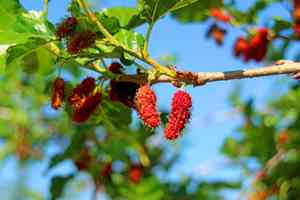
In garden planning, the aesthetic charm of Red mulberry is undeniable. With its rich green leaves, attractive blooms, and unique fruit, Red mulberry can transform any outdoor space into a lively and inviting area. The tree's broad foliage creates a lush canopy, offering year-round visual interest and making it a prominent feature in any landscape scheme.
Key features for landscape integration
Red mulberry possesses several attributes that make it perfect for enhancing landscape designs. This deciduous tree is known for its rapid development, providing quick shade and beauty. Its robust structure and extensive root system make it a reliable option for preventing erosion, while its adaptability to various soil types increases its flexibility in garden planning.
Optimal Placement of Red mulberry in Outdoor Areas
Considering light and shade needs
When deciding where to plant Red mulberry, understanding its light and shade preferences is vital. Red mulberry thrives in full sun to partial shade, requiring at least six hours of direct sunlight daily for best growth. Positioning it where it receives morning sun and afternoon shade can help balance its light needs and prevent excessive heat stress.
Soil preferences for healthy growth
Red mulberry prefers well-draining soil rich in organic matter. While it can tolerate various soil types, from sandy to clay, ensuring proper drainage is essential to prevent root rot. Incorporating compost or other organic amendments can boost soil fertility, supplying the necessary nutrients for vigorous development.
Proximity to other plants and structures
The placement of Red mulberry relative to other plants and structures should be carefully considered to allow ample room for its mature size. Its roots can spread extensively, so planting it a suitable distance from buildings and other trees is crucial to avoid interference. Additionally, Red mulberry's dense canopy can offer valuable shade to understory plants that flourish in cooler, protected conditions.
Landscape Styles That Complement Red mulberry
Rustic garden designs
Red mulberry integrates seamlessly into rustic garden designs, where its natural form and textured leaves contribute to an earthy, organic aesthetic. It pairs well with stone paths, wooden elements, and a mix of wildflowers and native plants to create a tranquil, countryside ambiance.
Modern landscapes
In contemporary landscapes, Red mulberry's defined shape and clean lines offer a striking contrast to sleek, minimalist designs. Incorporating Red mulberry into a landscape with geometric planters, modern sculptures, and structured hedges can create a balanced and visually appealing setting.
Woodland environments
For those aiming to establish a woodland garden, Red mulberry is an excellent choice. Its natural, untamed appearance complements the wild and rugged look of woodland settings. Surrounding it with shade-loving perennials, ferns, and mosses can enhance the forest-like atmosphere.
Seasonal Considerations for Red mulberry
Spring bloom details
In spring, Red mulberry awakens with small, inconspicuous flowers that signal the emergence of its new leaves. This period is critical for gardeners to fertilize the tree and ensure it receives sufficient water to support its vigorous growth phase.
Summer shade advantages
During the summer months, Red mulberry provides significant shade, making it an ideal addition to backyards and garden seating areas. Its dense foliage helps cool the surrounding space, creating a comfortable outdoor environment for relaxation and social gatherings.
Autumn foliage and fruit
Autumn brings a burst of color as Red mulberry's leaves transform into vibrant shades of yellow and orange. Additionally, this is when the tree bears its fruit, adding both visual interest and a food source for birds and wildlife. Harvesting the fruit can also provide a delightful, homegrown treat for people.



