Enhancing Your Garden Design with the Common myrtle Plant: A Landscaping Guide
1
Myrtle (Myrtus communis) offers both aesthetic charm and practical benefits to outdoor spaces.
2
Thoughtful positioning of myrtle can boost seclusion and establish striking visual anchors.
3
Consistent upkeep, such as routine trimming and seasonal attention, guarantees myrtle thrives in your garden.
Appreciating the Visual Charm of Common myrtle
Hue and Texture: How Common myrtle Enhances Garden Beauty
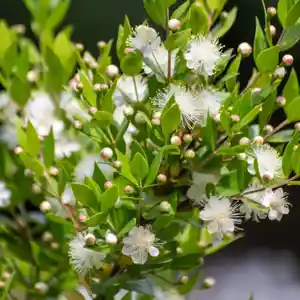
A primary reason Common myrtle is valued in landscaping is its distinct color and feel. The plant showcases abundant, green foliage that is both thick and shiny, offering a rich backdrop for other garden elements. Its leaves are small and tough, providing a detailed texture that beautifully interacts with sunlight. The contrast between the deep green leaves and the white or pinkish blossoms that appear in summer adds a lovely dimension to the garden. This blend of color and texture makes Common myrtle an excellent choice for adding depth and visual appeal to any outdoor setting.
Year-Round Allure: Evergreen Characteristics of Common myrtle
Common myrtle isn't merely a seasonal favorite; its evergreen nature means it continues to provide aesthetic value throughout the entire year. This consistent greenery brings stability to your garden, offering a strong foundation that supports seasonal flowers and the changing foliage of other plants. Even during colder periods, Common myrtle keeps its vibrant green hue, ensuring your garden never appears bare or lifeless. The plant's ability to retain its leaves year-round makes it invaluable for creating a continuously attractive outdoor space.
Strategic Placement of Common myrtle in Landscape Design
Creating Focal Points with Common myrtle
An effective method to integrate Common myrtle into your landscape design is by utilizing it to establish focal points. Its robust foliage and elegant blossoms can draw attention to specific areas of the garden. You might position Common myrtle in the center of a circular bed or at the end of a path to highlight that zone. When thoughtfully placed, Common myrtle can help structure the viewerâs experience of the garden, encouraging a guided journey through the landscape.
Boosting Privacy: Using Common myrtle as Natural Screens
If privacy is a concern, Common myrtle can serve as an excellent natural barrier. Its dense growth habit makes it perfect for forming a living fence or hedge. Planting Common myrtle along property lines can create a green screen that enhances privacy and reduces noise from adjacent areas. This natural barrier can also act as a windbreak, shielding more delicate plants from harsh weather. The versatile nature of Common myrtle in this capacity makes it a smart addition to any landscape design aiming to combine beauty and utility.
Defining Edges: Border Options with Common myrtle
Edges and borders in garden design are crucial for delineating spaces and achieving a refined look. Common myrtle can be effectively used to outline pathways, garden beds, or property boundaries, providing a neat and unified appearance. When employed as a border plant, its consistent height and fullness create a clean edge that looks well-maintained and deliberate. By planting Common myrtle along the perimeters of different garden zones, you can establish clear yet attractive divisions between spaces, enhancing the overall structure and flow of your landscape.
Companion Planting with Common myrtle
Suitable Companion Plants for Common myrtle
Companion planting is an excellent strategy to maximize garden health and beauty. Common myrtle pairs well with various other plants, thanks to its subtle yet sturdy presence. Consider planting it alongside lavender, rosemary, or sage for a Mediterranean-themed garden. The contrasting shapes and colors of these plants can create a dynamic and visually appealing combination. Additionally, Common myrtle complements ornamental grasses and flowering perennials, providing a lush backdrop against which these plants can truly shine.
How to Arrange Plant Combinations with Common myrtle
When planning your garden, consider the heights, textures, and colors of the plants you are pairing with Common myrtle. Position taller plants behind or next to Common myrtle to create layers and add depth to your garden. For instance, a row of Common myrtle can serve as a beautiful green base for flowering plants like lavender, where the dark green leaves accentuate the colorful blooms. Additionally, consider the plantâs water and sunlight requirements. Common myrtle prefers full sun to partial shade and well-draining soil, so choose companions with similar needs to ensure all plants flourish together.
Maintaining Common myrtle in Landscape Settings
Pruning Advice: Keeping Common myrtle Thriving
Regular pruning is vital for preserving Common myrtle's shape and vitality. Pruning helps manage the plant's size, encourage denser foliage, and remove any dead or diseased branches. The optimal time to prune Common myrtle is in the spring or early summer after the main blooming period has concluded. Use clean, sharp tools to make precise cuts, and aim to thin out the plant's center to promote air circulation. This practice not only keeps your Common myrtle looking neat but also helps prevent fungal diseases.
Seasonal Considerations for Common myrtle
To ensure Common myrtle flourishes throughout the year, it's crucial to account for seasonal changes. In winter, shield Common myrtle from severe frost by covering it if temperatures drop significantly. During summer, ensure it receives adequate water, especially during dry spells, as Common myrtle prefers consistently moist soil. Apply mulch around the base to retain soil moisture and regulate temperature. By adjusting your care routine to align with the seasons, you'll help Common myrtle maintain its vibrant appearance and health all year long.



