Enhancing Your Garden Design with the Heavenly bamboo Plant: A Landscaping Guide
1
Nandina domestica introduces a distinct mix of hues and tactile qualities to any outdoor space through its vivid leaves and periodic fruit.
2
This adaptable shrub fits well into diverse garden styles, ranging from traditional Japanese gardens to contemporary designs.
3
Consistent care for Nandina domestica ensures its immaculate appearance throughout the year with little exertion.
Introducing Nandina domestica in Landscape Design
Why select Nandina domestica for your outdoor space?
Opting for Nandina domestica in your garden can significantly enhance your landscape's aesthetic appeal. Renowned for its resilience and low maintenance needs, Nandina domestica offers year-round visual interest with its foliage colors shifting throughout the seasons. From green and red tones to vivid autumn shades, this plant is an excellent choice for those aiming to introduce dynamic visuals to their garden. Furthermore, Nandina domestica tolerates diverse soil conditions, making it a robust option for various gardening requirements.
Appreciating the aesthetic qualities of Nandina domestica
Regarding visual impact, Nandina domestica distinguishes itself with its elegant, bamboo-like form and delicate leaves. The clusters of crimson berries that emerge in autumn provide an additional layer of beauty and allure, establishing it as a focal point in any garden. Its upright growth habit can serve as a striking backdrop or an captivating centerpiece, integrating seamlessly with various garden styles. Whether utilized as a solitary specimen or in mass plantings, Nandina domestica offers unmatched adaptability and charm.
Integrating Nandina domestica into Your Garden Themes
How to combine Nandina domestica with other flora
Nandina domestica can beautifully complement a range of garden plants, including both indigenous and exotic varieties. Its understated yet striking foliage offers an ideal contrast to flowering plants such as hydrangeas, azaleas, and camellias. When paired with evergreens, Nandina domestica adds an extra dimension of color, ensuring your garden remains visually engaging throughout the year. Aim to position Nandina domestica alongside plants with contrasting leaf textures or bloom colors to forge a balanced and captivating landscape design.
Themes and styles that complement Nandina domestica
One of the most exciting features of Nandina domestica is its versatility across numerous garden themes. For a Japanese-inspired garden, cultivate Nandina domestica alongside elements like rocks, water features, and minimalist wooden structures. Its clean lines and serene appearance can help evoke a sense of tranquility. In a contemporary landscape, Nandina domestica's structured form and evolving colors provide a striking visual contrast to sleek metal or stone hardscapes. Regardless of the theme, Nandina domestica can effortlessly elevate your garden's overall design.
Choosing the optimal placement for Nandina domestica in your landscape
The thriving of Nandina domestica in your garden largely hinges on selecting the appropriate spot within your landscape. Ideally, Nandina domestica should be planted in areas receiving partial shade to full sun for peak growth and vibrant coloration. Ensure the soil drains well to prevent root rot and other issues. Whether employed as a hedge, border plant, or standalone specimen, position Nandina domestica where it can accentuate architectural features or serve as a vivid backdrop to other plants. Proper placement will maximize its visual appeal and guarantee its health and longevity.
Seasonal Considerations for Nandina domestica
What to anticipate from Nandina domestica throughout the year
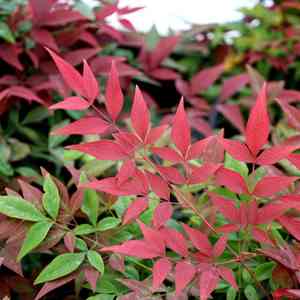
Nandina domestica presents a unique display year-round, making it a valuable addition to any garden. In spring, its new leaves emerge with a fresh green tint, deepening in color through the summer months. By fall, the foliage transforms into a stunning red, orange, and purple, accented by bright red berries. Winter's chill might bring a more subdued look, but the colorful berries often persist, adding interest to the otherwise dormant garden. Understanding these seasonal shifts can aid in planning your garden for continuous aesthetic appeal.
Managing seasonal development and alterations
To preserve the beauty of Nandina domestica through the seasons, some minimal upkeep is necessary. Pruning should occur in late winter or early spring to shape the plant and remove any dead or damaged wood. Regularly check for pests and diseases, though Nandina domestica is generally resistant to most. Fertilize in the spring to encourage robust growth and berry production. By anticipating and addressing seasonal changes, you can ensure that Nandina domestica remains a beautiful and central element in your landscape all year.
Pairing Nandina domestica with Hardscape Elements
Integrating Nandina domestica with pathways, stones, and water features
Incorporating Nandina domestica into your garden's hardscape elements can enhance the overall design and introduce a harmonious balance of texture and color. Plant Nandina domestica along garden paths or walkways to create a living border that guides visitors through your landscape. The plant's vibrant foliage complements beautifully with the natural textures of rocks and the reflective surfaces of water features. This integration not only adds visual interest but also enriches the sensory experience of the garden.
Practical advice for a cohesive hardscape-and-Nandina domestica combination
For a successful blend of hardscape and Nandina domestica, emphasize balance and proportion. Position Nandina domestica against stone walls, rock gardens, or near water features to draw attention without overwhelming the area. Utilize decorative gravel or mulch around the base of Nandina domestica to create a neat, finished appearance that also aids in moisture retention. Be mindful of the plant's mature size to ensure that pathways and sightlines remain unobstructed. Thoughtfully combining these elements will result in a cohesive and visually stunning garden.
Sustaining the Visual Impact of Nandina domestica
Regular inspections and adjustments for lasting beauty
Consistent care and routine maintenance are crucial for preserving the visual appeal of Nandina domestica in your garden. Periodically inspect the plant for signs of stress, disease, or pest infestations, and address any issues promptly. Prune annually to maintain the desired form and size, and remove any dead or damaged branches. Mulching around the base of Nandina domestica will help retain soil moisture and suppress weeds, ensuring the plant remains healthy and vibrant.
Minimal interventions for maximal effect
One of the appealing aspects of Nandina domestica is its requirement for minimal intervention to flourish. Beyond regular watering during dry periods and occasional pruning, Nandina domestica is relatively low-maintenance. Fertilize sparingly, only if the plant exhibits signs of nutrient deficiency. Allowing the plant to grow naturally will often yield the most attractive outcomes, with its graceful shape and seasonal color shifts. By employing these minimal strategies, you can enjoy the maximum visual benefits of Nandina domestica with less effort and time.



