Enhancing Your Garden Design with the Cape jewels Plant: A Landscaping Guide
1
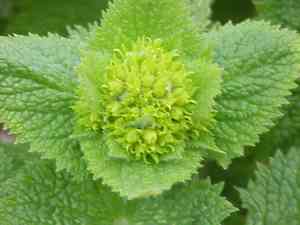
Cape jewels flourishes in soil that drains effectively and receives some sunlight.
2
Consistent removal of spent flowers assists Cape jewels in sustaining its vivid blossoms all season long.
3
Cape jewels complements other decorative flora, contributing to an attractive garden design.
Introducing Cape Jewels to Your Garden
Why select Cape Jewels for your outdoor space?
Opting for Cape Jewels in your landscape design introduces vivid color and grace to your garden. Renowned for its bright and diverse blossoms, Cape Jewels is a superb choice for gardeners aiming to enrich their outdoor area with beauty. Its compact size and low-growing nature make it perfect for filling gaps in flower beds or forming attractive borders. Furthermore, Cape Jewels is relatively simple to maintain, making it an ideal option for both new and experienced gardeners.
Optimal placements for Cape Jewels in your garden
When deciding where to cultivate Cape Jewels, consider spots that receive partial sun to ensure peak growth and blooming. Well-drained soil is essential for preventing root decay and fostering vigorous development. Cape Jewels offers wonderful versatility, making it suitable for various locations such as flower beds, borders, and even containers. Utilizing Cape Jewels as an underplanting for taller flora can also create a lively and layered garden aesthetic.
Design Concepts with Cape Jewels
Integrating Cape Jewels into flower beds
Incorporating Cape Jewels into your flower beds is an excellent method to add continuous bursts of color. Due to its modest size, Cape Jewels functions well as a filler plant in mixed flower beds alongside taller perennials. You can plant them in broad sweeps for a striking visual effect or intersperse them among other flowers for a more natural appearance. Consistent deadheading will ensure your Cape Jewels bloom profusely throughout the growing season.
Utilizing Cape Jewels as border plants
Employing Cape Jewels as border plants highlights the edges of your garden paths and beds with a neat and colorful finish. Their low-growing habit ensures they won't overshadow other plants and will establish a defined boundary. Plant them in a line along the border for a continuous splash of color or in clusters for a more informal look. This approach emphasizes their aesthetic appeal while providing structure to your garden design.
Crafting focal points with Cape Jewels
Creating focal points with Cape Jewels can draw attention to specific areas of your garden. Planting them in prominent positions, such as near garden entrances or in central flower beds, can make them a striking centerpiece. Consider pairing Cape Jewels with garden ornaments, like statues or large rocks, to further enhance their appearance and provide an eye-catching focal point that improves the overall landscape design.
Companion Plants for Cape Jewels
Best companion plants to pair with Cape Jewels
Pairing Cape Jewels with suitable companion plants can amplify its beauty and help create a harmonious garden. Plants such as lavender, salvia, and ornamental grasses make excellent companions due to their complementary growth habits and aesthetic characteristics. These combinations not only enhance visual appeal but also promote a diverse and healthy garden ecosystem.
Understanding complementary hues and textures
Understanding complementary colors and textures is crucial for achieving the desired aesthetic in your garden. Cape Jewels's vibrant blooms pair well with contrasting colors, such as deep purples, blues, and even soft yellows. Mixing different textures, like the spiky leaves of ornamental grasses with the soft petals of Cape Jewels, creates a more engaging and visually appealing landscape. Experimenting with various plant pairings will help you achieve a balanced and dynamic garden design.
Seasonal Care Advice for Cape Jewels
Spring and Summer maintenance
During the spring and summer months, Cape Jewels will require regular irrigation to keep the soil moist but not waterlogged. Fertilizing every four to six weeks with a balanced fertilizer will support robust growth and continuous flowering. Removing spent blooms encourages new blossoms, keeping your garden looking fresh and vibrant. Monitor for pests and diseases, and address them promptly to maintain the health of your plants.
Autumn and Winter considerations
As the colder seasons approach, your gardening routine will need some adjustments. In autumn, reduce watering to prevent the risk of root rot from damp soil. Applying mulch around the base of your Cape Jewels plants can help protect the roots from chilly temperatures. While Cape Jewels typically prefers warmer climates, covering them with frost cloth on particularly cold nights can offer some protection. Pruning back dead or dying foliage will also prepare your plants for a stronger resurgence in the spring.



