Enhancing Your Garden Design with the Boston fern Plant: A Landscaping Guide
1
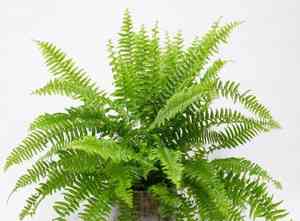
The Boston fern flourishes in areas with moderate to deep shade and favors moist environments.
2
Consistent irrigation and periodic misting contribute to the vitality and vibrancy of Boston ferns.
3
Boston ferns are fairly easy to care for but need safeguarding against very hot or cold conditions.
Why Incorporate Boston Fern into Your Outdoor Design?
Aesthetics: The visual impact of Boston fern in garden environments
Boston fern lends a lush, green aesthetic to any garden space, with its dense, arching fronds imparting a sense of grace and peace. Its vibrant green leaves create a striking contrast, infusing freshness and natural elegance into landscapes. Whether utilized as groundcover, in hanging containers, or as part of a broader plant display, Boston fern can elevate any outdoor area with its elegant form.
Adaptability: How well does Boston fern thrive in diverse outdoor settings?
Boston fern is renowned for its capacity to adapt to various outdoor circumstances, making it an excellent option for a range of landscapes. It flourishes in partial to full shade and can tolerate different soil compositions, provided they offer good drainage. This versatility makes it a suitable plant for gardens with varying environmental factors. Furthermore, Boston fern can prosper in both high and low humidity, though it favors damp, moist surroundings.
Maintenance: An overview of the ease of caring for Boston fern in outdoor spaces
Caring for Boston fern is relatively uncomplicated, establishing it as a favorite among both new and seasoned gardeners. It requires consistent irrigation, particularly during dry periods, to keep its soil uniformly moist but not waterlogged. Periodic fertilization with a balanced liquid feed during its active growth phase helps maintain its vibrant appearance. Trimming dead or damaged fronds stimulates new growth, and Boston fern's inherent hardiness means it generally encounters few diseases and pests.
Designing with Boston Fern: Layout and Arrangement Suggestions
Placement Strategies: Where to position Boston fern for peak growth and visual appeal
When planning Boston fern placement in your garden, opt for areas with filtered sunlight or full shade to mimic its natural environment. Steer clear of direct midday sun, which can scorch its delicate fronds. Boston fern thrives in shady corners, beneath trees, or along north-facing walls. For hanging baskets, ensure the container is situated where Boston fern can receive indirect light and adequate air circulation. Grouping multiple Boston fern plants together can produce a rich, tropical ambiance.
Companion Planting: Ideal plant partners for Boston fern in a landscape scheme
Boston fern pairs beautifully with a variety of shade-loving plants to create a diverse and visually appealing garden. Consider pairing Boston fern with hostas, heucheras, or astilbes, which complement its texture and coloration. For a tropical aesthetic, combine Boston fern with other ferns or shade-tolerant plants like caladiums and impatiens. Mixing these plants not only enhances beauty but also fosters a healthy ecosystem by diversifying plant structure and root zones.
Focal Points: Creating visual interest with Boston fern in your garden
Boston fern can be employed to draw attention to specific sections of your garden, establishing captivating focal points. Consider placing a large, potted Boston fern at an entryway to create a welcoming impression or using Boston fern at the center of a shaded garden bed. Incorporating Boston fern in rockeries or along walkways can also highlight these features, adding layers of texture and depth. The plant's trailing fronds can soften harsh landscape elements, making your garden feel more inviting.
Seasonal Care Guidelines for Boston Fern
Spring Readiness: Preparing Boston fern after winter
As temperatures begin to climb, it's time to get Boston fern ready for the upcoming growing season. Start by removing any dead or damaged fronds to encourage new growth. Check the soil's moisture levels, and gradually increase watering as the weather warms. Applying a layer of compost or a balanced, slow-release fertilizer will provide Boston fern with the nutrients it needs to flourish. Move potted Boston fern plants from sheltered indoor locations back to their outdoor spots to acclimate them slowly.
Summer Upkeep: Maintaining Boston fern's health during the warmest months
Summer care for Boston fern involves consistent watering to counteract the heat and maintain humidity levels. Mulching around the base can help retain soil moisture and keep roots cool. Mist the fronds occasionally to replicate the humid conditions it prefers. Observe for signs of distress, such as browning fronds, and adjust watering routines accordingly. Providing shade during the hottest part of the day will further shield Boston fern from heat damage.
Autumn Adjustments: Preparations for Boston fern as the colder season approaches
As autumn arrives, progressively reduce watering and feeding to prepare Boston fern for its dormant period. Prune away any weakened or yellowing fronds to keep the plant neat and vigorous. If you reside in an area with harsh winters, consider bringing potted Boston fern indoors or applying mulch and protective coverings for those in garden beds to guard them against frost. Ensuring Boston fern is in good health before winter will help it rebound quickly in the spring.
Common Obstacles When Using Boston Fern in Landscaping
Pest Management: Addressing typical pests that affect Boston fern
While Boston fern shows good pest resistance, it can occasionally be affected by insects such as spider mites, aphids, and scale. Regularly inspect the fronds for indications of infestation, like small webs, sticky residue, or discolored spots. Natural solutions such as neem oil or insecticidal soap can effectively control these pests. Maintaining a healthy plant through proper watering and nutrition also enhances its defense against pests.
Climate Considerations: Handling weather-related concerns for Boston fern
Boston fern thrives in mild, humid conditions and can struggle with extreme temperatures. Protect Boston fern from frost by providing covers or moving potted plants indoors during cold snaps. In hot, arid climates, increase watering frequency and consider installing a misting system to maintain humidity. Adequate shade is essential to prevent scorching from intense sunlight. Monitoring local weather patterns and adjusting care routines can ensure Boston fern stays healthy year-round.
Soil and Water Requirements: Optimal conditions for robust Boston fern growth
For Boston fern to flourish, providing the correct soil and water conditions is crucial. It prefers well-draining, organically rich soil that holds moisture without becoming soggy. Regular watering is vital, especially during dry spells, but avoid overwatering, which can lead to root rot. Soil should be kept consistently moist, and adding organic mulch can aid in water retention and soil fertility. Adjust watering schedules based on seasonal changes and rainfall patterns to meet Boston fern's needs.



