Enhancing Your Garden Design with the Tobacco Plant: A Landscaping Guide
1
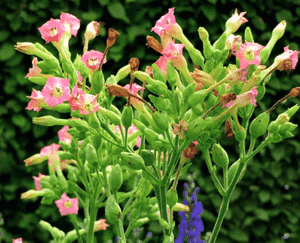
Tobacco offers a distinctive aesthetic with its characteristic leaves and blooms.
2
Strategic positioning of Tobacco is crucial for its optimal growth and integration with other flora.
3
When grown correctly, Tobacco can contribute positively to the environment and be a sustainable crop.
Introducing Tobacco into Garden Designs
Why consider Tobacco for your garden?
Tobacco stands out due to its unique look and adaptability. Adding Tobacco to your garden can bring a distinct visual element that grabs attention and diversifies the plant life in your outdoor space. It's not just good-looking; it also needs relatively simple care, making it suitable for gardeners of all skill levels.
The visual impact of Tobacco in landscape designs
Tobacco's striking appearance makes it an excellent choice for garden bed focal points or as an accent to other plants. Its wide leaves and bright blooms can create a lush, full aesthetic that boosts your garden's overall visual appeal. Planted alone or in groups, Tobacco adds texture and depth, contributing to a lively and engaging landscape.
Brief overview of Tobacco's characteristics
Tobacco is known for its large, green foliage and prominent blossoms. It thrives in various soil types and climates, making it versatile for many garden settings. Additionally, Tobacco has a moderate growth rate and can reach significant heights, providing structure and vertical interest in garden designs. Its maintenance needs are relatively low, requiring consistent watering and occasional trimming to maintain its form and health.
Designing Your Landscape with Tobacco
Steps to incorporate Tobacco into your garden layout
Start by mapping your garden space, noting areas with ample sunlight and good soil drainage, as Tobacco prefers these conditions. Decide if you want Tobacco to be a central feature or a complementary background plant. Once planned, dig holes twice the width of the Tobacco roots and space them appropriately if planting multiple. This ensures they have room to grow without competing for resources.
Choosing the right location for Tobacco
Location is vital for Tobacco's success in your garden. Select a spot that gets abundant sunlight throughout the day, as Tobacco thrives in full sun. Ensure the soil drains well to prevent waterlogging and root rot. If needed, amend the soil with organic matter to improve drainage and fertility. Avoid planting Tobacco near structures or other plants that might cast significant shade.
Complementing Tobacco with other plants
Tobacco pairs well with various plants, especially those with contrasting leaf shapes and colors. Consider planting Tobacco alongside ornamental grasses, flowering perennials, or shrubs that enhance its beauty. The key is to choose companion plants with similar sunlight and watering needs to ensure harmonious growth and maintenance. Mixing Tobacco with plants of different heights can also create a layered effect, adding visual interest to your landscape.
Seasonal Considerations for Tobacco
Best times of year to plant Tobacco
The ideal planting time for Tobacco is during warmer months when soil temperatures are suitable for root development. Spring and early summer are particularly good periods for planting. This timing allows Tobacco to establish itself before colder weather arrives. Avoid planting during frosty or extremely dry periods to give Tobacco the best chance of thriving.
Seasonal maintenance tips for Tobacco
Regular upkeep is crucial for keeping Tobacco healthy throughout the seasons. Water Tobacco consistently, especially during dry spells, ensuring the soil stays moist but not waterlogged. Mulching around the base can help retain soil moisture and suppress weeds. During the growing season, apply a balanced fertilizer to support vigorous growth. In the fall, consider pruning to manage size and shape, preventing overgrowth and promoting air circulation.
How Tobacco adapts to seasonal changes
One of Tobacco's benefits is its ability to adjust to different seasonal conditions. In warm climates, it can be grown as a perennial, while in cooler regions, it often functions as an annual. Tobacco can handle a range of temperatures but will need frost protection. Using row covers or moving potted Tobacco indoors during cold snaps can help it survive unexpected weather fluctuations.
Design Tips: Utilizing the Unique Qualities of Tobacco
Creative ways to feature Tobacco in your yard
Use Tobacco's distinct features to create interesting visual elements in your garden. Plant Tobacco in large, decorative containers for flexible placement or use it to anchor garden beds and pathways. You can also design mixed borders with Tobacco as a central feature, surrounded by lower-growing plants that highlight its stature and form.
Enhancing aesthetic appeal with Tobacco's colors and textures
Tobacco offers a range of visual textures with its broad leaves and colorful flowers. Use these attributes to create contrasts and focal points in your garden. Combining Tobacco with plants that have fine, delicate foliage can enhance its bold appearance. Its flowers can also introduce vibrant pops of color, making your landscape more lively and engaging.
Innovative uses of Tobacco beyond traditional landscaping
Beyond typical garden beds, consider using Tobacco in vertical gardens or living walls where its height and foliage can provide coverage and greenery. It can also be incorporated into mixed-use spaces, such as outdoor seating areas, where its broad leaves can add shade and aesthetic value. Furthermore, Tobacco can be used in ecological garden designs to attract beneficial insects.
Environmental Impact and Sustainability of Using Tobacco
Ecological benefits of incorporating Tobacco in your landscape
Adding Tobacco to your garden can offer several ecological advantages. Its flowers can attract pollinators like bees and butterflies, supporting local ecosystems. Additionally, Tobacco can contribute to your landscape's biodiversity, providing habitat for various insects and small animals. Its presence can also help stabilize soil and prevent erosion.
Sustainability practices with Tobacco cultivation
Practicing sustainability with Tobacco involves mindful water use, organic soil amendments, and avoiding chemical pesticides. Implementing drip irrigation can conserve water and ensure Tobacco receives adequate hydration. Using compost and natural fertilizers supports healthy soil and plant growth. Encouraging natural predators can help manage pests without resorting to harmful chemicals.
Conservation tips while using Tobacco
To conserve resources and promote environmental health, consider companion planting techniques that reduce the need for artificial inputs. Recycle plant waste by composting and use organic mulch to maintain soil health. Implementing a rainwater harvesting system can provide Tobacco with a sustainable water source, reducing reliance on municipal supplies.



