Enhancing Your Garden Design with the Lindheimer's beeblossom Plant: A Landscaping Guide
1
Lindheimer's beeblossom is recognized for its graceful, butterfly-like flowers, bringing sophistication to any landscape.
2
Lindheimer's beeblossom generally flowers from the end of spring through early autumn, offering prolonged seasonal appeal.
3
Caring for Lindheimer's beeblossom is quite straightforward, making it a superb option for gardeners of all experience levels.
Introducing Lindheimer's beeblossom: A Touch of Elegance
Overview of Lindheimer's beeblossom's visual appeal and growth habits
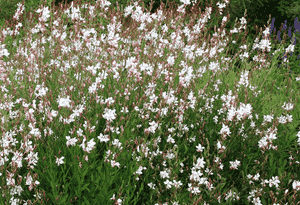
Lindheimer's beeblossom, also known as Lindheimer's beeblossom, is a perennial plant admired for its subtle beauty and graceful garden presence. It features tall, arching stems with delicate, white-to-pink flowers that flutter in the breeze, resembling butterflies. The foliage is an attractive, bright green, contrasting beautifully with the blooms. Lindheimer's beeblossom typically reaches a height of 2 to 4 feet, making it ideal for adding vertical interest to garden beds and borders.
Seasonal blooms: When does Lindheimer's beeblossom show its true colors?
Lindheimer's beeblossom stands out due to its extended flowering period, from late spring to early fall. During this time, the plant produces abundant blossoms that can transform a garden space with their soft, ethereal charm. The blooms open primarily in the evening and remain vibrant throughout the day, attracting pollinators like bees and butterflies to your garden. This long flowering period ensures Lindheimer's beeblossom remains a landscape focal point for months, providing consistent visual appeal.
Landscape Design Ideas Featuring Lindheimer's beeblossom
Creating focal points with Lindheimer's beeblossom
Lindheimer's beeblossom can serve as a striking garden focal point due to its height and enchanting blooms. To create a focal point, consider planting Lindheimer's beeblossom in clusters to maximize their impact. Position them where they are easily seen, such as along pathways, in the center of flower beds, or near outdoor seating areas. The plant's airy flowers and tall stalks draw the eye upward, creating movement and drama in the garden. By strategically placing Lindheimer's beeblossom, you can guide visitors' attention and create visually engaging garden scenes.
Complementary plants for Lindheimer's beeblossom in landscape design
Lindheimer's beeblossom pairs beautifully with various other plants, enhancing your garden's overall aesthetic. Consider combining Lindheimer's beeblossom with plants that have contrasting textures, such as ornamental grasses or sedges, to highlight its delicate blossoms. Additionally, pairing Lindheimer's beeblossom with other sun-loving perennials like lavender, salvia, or echinacea can create visually harmonious garden beds that offer continuous interest throughout the seasons. The key is to select plants with similar light and water requirements to ensure a healthy and cohesive garden design.
Maintaining Lindheimer's beeblossom in Your Garden
Simple tips to keep Lindheimer's beeblossom thriving
Maintaining Lindheimer's beeblossom in your garden is relatively straightforward, making it great for even novice gardeners. First, ensure Lindheimer's beeblossom is planted in full sun, as it thrives with at least six hours of direct sunlight daily. Well-drained soil is crucial, as Lindheimer's beeblossom does not perform well in overly damp conditions. Routine watering is needed to establish young plants, but once established, Lindheimer's beeblossom is quite drought-tolerant. Deadheading spent flowers will encourage continued blooming and help maintain a tidy appearance. Lastly, apply a balanced, slow-release fertilizer in the spring to promote vigorous growth.
Handling common issues observed in Lindheimer's beeblossom
Though Lindheimer's beeblossom is generally hardy and low-maintenance, it can occasionally encounter a few common issues. One issue to watch for is root rot, which can occur in poorly drained soils. To prevent this, ensure proper soil conditions and avoid overwatering. Pests and diseases are typically minor concerns for Lindheimer's beeblossom, but it's always good practice to monitor the plants regularly for any signs of trouble, such as aphids or fungal infections. If you notice any pests, a gentle spray of water can often dislodge them from the plant. For disease issues, proper spacing and air circulation around the plants can help prevent problems.



