Enhancing Your Garden Design with the Garden star-of-bethlehem Plant: A Landscaping Guide
1
Garden star-of-bethlehem flourishes optimally in soil that drains well and receives partial to full sun exposure.
2
Arrange Garden star-of-bethlehem specimens in clusters to create an impressive display.
3
Be sure to deadhead spent blooms on Garden star-of-bethlehem to promote fresh development.
Introducing Ornithogalum umbellatum in Landscape Design
Discover the visual appeal of Ornithogalum umbellatum in garden layouts
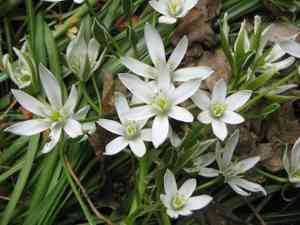
A primary reason gardeners select Ornithogalum umbellatum is its striking visual charm. With its star-shaped blossoms and elegant green foliage, it brings a delicate yet impactful beauty to any garden scheme. The plant's flowers offer a crisp, clean aesthetic that can serve as an excellent focal point or complement other garden elements. Whether utilized in rock gardens, borders, or as part of a mixed perennial bed, Ornithogalum umbellatum provides a touch of elegance that is both enduring and adaptable.
Understand the growth characteristics that make Ornithogalum umbellatum suitable for landscaping
Ornithogalum umbellatum exhibits growth habits particularly advantageous for landscaping. It produces small clusters of star-shaped flowers, typically blooming from late spring to early summer, ensuring a prolonged period of visual interest. The plant's foliage forms dense clumps, which can help fill garden spaces and reduce weed proliferation. Its relatively short stature also makes it ideal for the front of borders and pathways, where its flowers can be easily admired.
Overall effect of Ornithogalum umbellatum on landscape aesthetics
Integrating Ornithogalum umbellatum into your garden can significantly enhance the landscape's overall beauty. Its white flowers stand out beautifully against green foliage, adding brightness and contrast to garden compositions. These plants are also known for their ability to naturalize, meaning they can spread and fill in areas over time, creating a lush, full garden appearance. The unique texture and form of Ornithogalum umbellatum flowers and leaves add variety and depth to the landscape, making it a valued addition for both new and experienced gardeners.
Selecting the Optimal Location for Ornithogalum umbellatum
Identifying appropriate soil types for Ornithogalum umbellatum
Ornithogalum umbellatum thrives in well-drained soil, making it crucial to choose a garden spot with these conditions. Avoid heavy clay soils or excessively wet areas, as these can lead to root rot and other issues. Amending your garden beds with compost or sand can help improve drainage if natural soil conditions are not ideal. Testing soil pH levels ensures your Ornithogalum umbellatum plants receive necessary nutrients. Aim for a slightly acidic to neutral pH for optimal results.
Ideal light conditions for Ornithogalum umbellatum
Light is another vital factor for the successful growth of Ornithogalum umbellatum. These plants perform best in partial to full sunlight. A location receiving morning sun and afternoon shade is often perfect, as it prevents potential leaf scorch from the hottest part of the day. While Ornithogalum umbellatum can tolerate some shade, planting them in predominantly shady areas might result in fewer flowers and leggier growth, diminishing their overall impact.
Spacing requirements for maximum landscape effect
To maximize the visual impact of Ornithogalum umbellatum in your garden, proper spacing is essential. Plant bulbs approximately 3 to 6 inches apart to allow each individual plant to grow and spread without overcrowding. This not only ensures each plant receives sufficient nutrients from the soil but also enhances air circulation, reducing disease risk. Generous spacing will also enable Ornithogalum umbellatum to naturalize over time, creating a more abundant and fuller garden display.
Integrating Ornithogalum umbellatum into Your Garden Theme
Theme concepts that complement the appearance of Ornithogalum umbellatum
When designing your garden, consider themes that highlight the beauty of Ornithogalum umbellatum. Their classic elegance pairs well with formal garden designs, but they are equally at home in cottage gardens where their natural growth habits shine. You could also add Ornithogalum umbellatum to a Mediterranean-themed garden where its resilience and low maintenance needs fit perfectly with the earthy, sun-drenched aesthetic. For monochromatic themes, its white blooms offer a serene backdrop that can be highlighted among different shades of green.
Pairing Ornithogalum umbellatum with other plants for a unified look
Pairing Ornithogalum umbellatum with complementary plants can enhance your garden's overall appearance. Consider planting it alongside spring-blooming bulbs like daffodils and tulips for a mixed bulb garden that bursts with color in the spring. Perennials such as hostas and ferns provide contrasting textures and shades of green, creating a lush, varied planting area. Additionally, Ornithogalum umbellatum looks stunning when planted in groupings against darker foliage plants like heucheras, which provide a striking visual contrast.
Emphasizing Ornithogalum umbellatum's characteristics through thoughtful placement
To truly highlight the unique features of Ornithogalum umbellatum, consider strategic placement in your garden. Planting them along pathways or garden borders ensures their delicate blooms can be admired up close. Consider placing Ornithogalum umbellatum in rock gardens, where its ability to thrive in well-drained soil and partial sunlight can be showcased. Additionally, it can be planted in containers, adding a touch of elegance to patios, balconies, or entryways, ensuring its beauty is not confined to garden beds alone.
Seasonal and Ongoing Care Advice for Ornithogalum umbellatum
Maintaining the vitality of Ornithogalum umbellatum across different seasons
To keep Ornithogalum umbellatum vibrant throughout the seasons, it's crucial to adjust your care routine accordingly. In spring, ensure well-drained soil and begin a regular watering schedule to support new growth. As the weather warms, mulching around the plants can help retain moisture and suppress weeds. In fall, cut back foliage after it has yellowed and died back naturally, allowing energy to return to the bulbs for the next season. Protecting Ornithogalum umbellatum from extreme cold with a layer of mulch can also enhance its longevity.
Year-round considerations for healthy Ornithogalum umbellatum plants
Year-round care for Ornithogalum umbellatum includes consistent monitoring of soil conditions and light exposure. During dry periods, supplementary watering may be necessary to keep the soil moist but not waterlogged. Fertilizing with a balanced, slow-release fertilizer in spring can help support healthy growth and vibrant blooms. Regularly check for pests and diseases, and take prompt action to maintain plant health. If necessary, divide and replant clumps every few years to prevent overcrowding and encourage new growth.
Quick and effective maintenance suggestions
Simple yet effective maintenance tips can ensure your Ornithogalum umbellatum remains healthy and vibrant. Deadhead spent flowers to encourage fresh blooms and prevent energy loss. Ensure consistent but moderate watering, avoiding both drought conditions and overwatering. Applying a light mulch layer helps retain soil moisture and control weeds. Regularly inspect your plants for any signs of pests, diseases, or stress, and take corrective measures promptly. Following these straightforward tips can help keep your Ornithogalum umbellatum looking its best year-round.
FAQ on Utilizing Ornithogalum umbellatum in Landscaping
Common inquiries about planting and caring for Ornithogalum umbellatum
Gardeners often have several questions regarding planting and maintaining Ornithogalum umbellatum. Some of the most common inquiries include the best time of year for planting (typically fall), how deep to plant the bulbs (about 3-4 inches), and whether it requires any special soil amendments (well-drained soil is key). Regular watering, especially during dry periods, is frequently asked about, as well as the importance of deadheading to promote more blooms.
Resolving typical issues with Ornithogalum umbellatum in garden environments
Like any plant, Ornithogalum umbellatum can encounter problems that need addressing. Common issues include yellowing leaves, which can signal overwatering or poor drainage. Sparse blooming might indicate insufficient light or overcrowded bulbs requiring division. Pest issues such as aphids can be controlled with insecticidal soap or neem oil. For fungal diseases, improving air circulation and applying appropriate fungicides can keep Ornithogalum umbellatum healthy. Troubleshooting these common problems ensures your Ornithogalum umbellatum remains a stunning fixture in your garden.



