Enhancing Your Garden Design with the Sweet osmanthus Plant: A Landscaping Guide
1
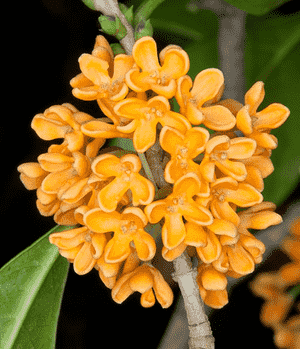
Sweet osmanthus is prized for its aromatic flowers, which elevate the sensory delight of any outdoor space.
2
Choosing an appropriate site for Sweet osmanthus greatly influences its development and aesthetic charm.
3
Sweet osmanthus fits well into diverse garden aesthetics, ranging from traditional layouts to contemporary schemes.
Introducing Sweet Osmanthus in Garden Design
Grasping the fundamental traits of Sweet Osmanthus
A primary aspect to value about Sweet Osmanthus is its distinct qualities that make it a favored option for garden planning. Renowned for its delicate, sweet-scented flowers, Sweet Osmanthus frequently blooms multiple times annually, infusing the garden with an alluring aroma. The plant typically showcases glossy, green leaves, offering a rich, evergreen look, making it a visually pleasing addition all year. These attributes render it not merely a plant but a continuous sensory delight for your garden.
Why Sweet Osmanthus is favored by landscape professionals
Landscape professionals prefer Sweet Osmanthus for its adaptability and consistent visual charm. The plant demands relatively little upkeep, adjusts to diverse climates, and resists many pests and diseases. With its multiple flowering seasons and fragrant presence, Sweet Osmanthus serves both practical and decorative roles, from privacy screens to individual accent plants. These traits, coupled with its capacity to integrate smoothly with other flora, establish it as a staple in expert landscaping endeavors.
Choosing the Perfect Spot for Sweet Osmanthus
Factors to weigh when positioning Sweet Osmanthus in your garden
Picking the correct location for Sweet Osmanthus involves assessing several elements: soil quality, drainage, and closeness to other plants. It flourishes in well-draining soil rich in organic matter. When planning its placement, consider areas where water does not collect to prevent root decay. Additionally, ensure ample room for the plant to grow without being stifled by adjacent plants.
How light and shade impact Sweet Osmanthus's development
Sweet Osmanthus needs a balance of sunlight and partial shade for optimal growth. While it performs well in full sun, some shade during the day's hottest hours can help prevent leaf burn. This placement guarantees healthy blooms and vibrant foliage. In particularly warm regions, positioning Sweet Osmanthus to receive morning sun and afternoon shade can be a beneficial approach.
Optimal methods for ensuring prominence and effect
For maximum visual impact, place Sweet Osmanthus in frequently visited areas that offer sufficient space for the plant to reach its full size. Consider locating it near pathways, patios, or entrances where its flowers and scent can be enjoyed up close. Incorporating it as a background in garden beds or as a solitary feature near outdoor seating can enhance both aesthetic appeal and sensory experience.
Integrating Sweet Osmanthus into Various Garden Styles
Utilizing Sweet Osmanthus in structured garden designs
In formal garden environments, Sweet Osmanthus can be shaped and trimmed to maintain a balanced and neat appearance. The plant's dense foliage makes it perfect for forming organized hedges or topiary. Placing Sweet Osmanthus along paths or around a garden's edge can contribute to the clean, orderly look characteristic of formal landscaping.
Incorporating Sweet Osmanthus into relaxed or cottage gardens
For a more laid-back, informal garden, Sweet Osmanthus can be allowed to grow more naturally. Its spreading branches fit well with cottage garden aesthetics, where the aim is a wilder, free-form look. Plant Sweet Osmanthus among other flowering species that bloom at different times to create a continuous, season-long display of colors and fragrances.
Creating focal points with Sweet Osmanthus in contemporary landscapes
In modern garden layouts, Sweet Osmanthus can serve as a striking centerpiece. Use its bold, lush foliage and fragrant flowers to establish a point of interest in minimalist settings. Pair it with sleek, simple containers or use it as an accent along clean lines and hardscapes to add a touch of softness and natural beauty to contemporary outdoor spaces.
Seasonal Considerations for Sweet Osmanthus
What to anticipate from Sweet Osmanthus across different seasons
Throughout the year, Sweet Osmanthus subtly transforms but retains its charm. In spring and autumn, expect abundant blooms that fill the air with a sweet scent. During summer, the foliage remains a vibrant green, providing a lush backdrop to your garden. In winter, while flowering might decrease, the evergreen leaves ensure your garden stays lively even in colder months.
Maintaining Sweet Osmanthus's allure throughout the year
To keep Sweet Osmanthus looking its best year-round, consistent care is essential. Prune it lightly after flowering periods to encourage new growth and shape the plant. Water it regularly, especially during dry spells, but avoid waterlogging. Applying a balanced fertilizer in early spring can promote healthier blooms and foliage. These simple maintenance steps ensure that Sweet Osmanthus remains a highlight in your garden.
Companion Plants for Sweet Osmanthus in Landscape Designs
Choosing plants that complement Sweet Osmanthus visually
The best companion plants for Sweet Osmanthus are those that enhance its aesthetic appeal without overshadowing it. Consider pairing it with plants that have contrasting leaf colors or textures, such as ornamental grasses or brightly colored perennials. This creates visual interest and makes Sweet Osmanthus stand out as a key plant in your landscape.
Understanding compatibility regarding soil and moisture requirements
When selecting companion plants, it's vital to choose those that share similar soil and water needs as Sweet Osmanthus. Plants that thrive in well-draining, fertile soil and require moderate watering are ideal. Examples include lavender, daylilies, and hostas. This ensures that all plants in your garden are healthy and flourishing without one outcompeting the others for resources.



