Enhancing Your Garden Design with the Tree peony Plant: A Landscaping Guide
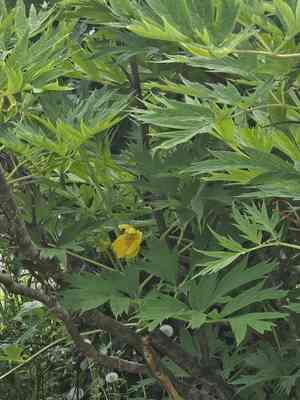
1
Tree peonies flourish optimally in soil that drains well, receiving partial to full sunlight.
2
Safeguarding during winter is vital for youthful or recently established tree peonies.
3
Trimming tree peonies assists in preserving their form and promotes robust development.
Introducing Tree Peonies in Garden Design
Why are Tree Peonies a favored option for garden lovers?
Tree peonies, known botanically as Tree peony, have charmed garden enthusiasts for centuries. These plants are celebrated for their large, opulent flowers that bloom in various vivid hues, bringing an elegant touch to any garden. Furthermore, Tree peony is prized for its longevity; a well-cared-for tree peony can thrive for decades, offering continuous beauty year after year. Additionally, tree peonies require relatively little upkeep, making them a favorite for both new and experienced gardeners.
The aesthetic contribution of Tree Peonies to outdoor areas.
The visual appeal of Tree peony is undeniable. Their stunning blossoms, which can be as large as dinner plates, create a striking focal point in any garden. The rich, green foliage adds texture and depth to the landscape throughout the growing season. Moreover, the tree peony's unique ability to stand alone or complement other plants in mixed borders makes it an incredibly adaptable choice. Whether used as a centerpiece or an integral part of a garden composition, Tree peony enhances the overall visual charm of outdoor spaces.
Selecting the Optimal Site for Tree Peonies in Your Garden
Evaluating sunlight and shade needs for prime development.
Choosing the correct spot in your garden is vital for the successful growth of Tree peony. These plants thrive best in areas that receive full to partial sun, ideally with morning sunlight and some afternoon shade. This balance prevents the delicate petals from scorching in the intense midday heat. Ensure that the planting site is protected from strong winds, as this can damage the flowers and foliage. By carefully selecting a location with the appropriate light conditions, youâll cultivate healthier, more vibrant plants.
Soil varieties and drainage considerations.
Tree peonies are quite specific about their soil conditions, preferring well-drained, fertile soil. While they can tolerate a range of soil types, optimal growth occurs in neutral to slightly alkaline soil. Poor drainage can lead to root rot, so it's crucial to select a location with good drainage or amend the soil with organic matter to improve its composition. Incorporating compost or well-rotted manure can enhance the soil's fertility and water retention capabilities, providing a nourishing environment for Tree peony.
Designing with Tree Peonies: Advice and Approaches
Creating focal points with Tree Peonies in your landscape design.
Tree peony can serve as a dramatic focal point in your garden design, attracting attention with its breathtaking flowers and striking form. To create an impressive display, consider planting tree peonies in prominent positions, such as the center of a flower bed or along pathways, where they can be admired up close. Grouping several tree peonies together can amplify their visual impact, creating a bold statement. Additionally, varying the heights and colors of surrounding plants can highlight the unique beauty of Tree peony, making it a centerpiece of your landscape.
Companion planting suggestions for Tree Peonies.
Companion planting with Tree peony can enhance its beauty and health. Consider pairing Tree peony with early-blooming bulbs like tulips or daffodils for a succession of color. Ferns, hostas, and other shade-tolerant plants can complement the tree peony's foliage and provide a lush backdrop. Additionally, groundcovers like creeping thyme or low-growing sedum can help retain soil moisture and suppress weeds. These companion plants not only enhance the visual appeal of your garden but also create a mutually beneficial growing environment for Tree peony.
Seasonal Care and Maintenance Tips for Tree Peonies
Pruning and trimming: optimal methods and timing.
Pruning is an essential aspect of maintaining the health and appearance of Tree peony. The best time to prune is in late winter to early spring, just before new growth begins. Start by removing any dead or damaged wood, then thin out congested areas to improve air circulation. This helps prevent disease and encourages the plant to concentrate its energy on producing large, healthy blooms. Be careful not to over-prune, as tree peonies do not respond well to severe cutting back; minimal trimming is usually sufficient.
Mulching and winter protection strategies.
Applying mulch around the base of Tree peony helps retain soil moisture and regulates temperature fluctuations. Organic mulches like straw, shredded leaves, or bark are ideal choices. In colder climates, mulching provides essential winter protection. As tree peonies are relatively hardy, additional protection in the form of a loose, breathable cover can shield young or newly planted specimens from harsh winter conditions. Ensure that mulch is kept away from the stem to prevent rot and disease.



