Enhancing Your Garden Design with the Oriental poppy Plant: A Landscaping Guide
1
Place Oriental poppy in direct sunlight for best flowering.
2
Oriental poppy complements leafy plants such as ferns and hostas beautifully.
3
Remove faded blossoms consistently to promote fresh development.
Introducing Oriental Poppy in Your Landscape
Appreciating the distinct beauty of Oriental poppy
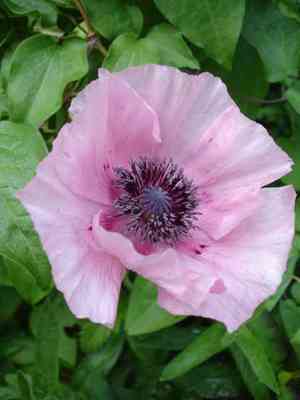
The allure of Oriental poppy stems from its remarkably large and vibrant blossoms, which captivate observers with their bold shades and delicate textures. These flowers appear in various hues, including reds, pinks, and whites. Their crinkled petals and dark central spot make them a prominent feature in any garden. Beyond its visual appeal, Oriental poppy adds a dynamic element to your landscape due to its unique structure and form. Introducing Oriental poppy into your garden is sure to make it a focal point and conversation starter.
Advantages of selecting Oriental poppy for your garden
Oriental poppy offers more than just aesthetic appeal; it provides several practical benefits for your garden. Firstly, it's known for its resilience and ability to flourish in diverse soil conditions, making it relatively easy to maintain for gardeners. It also attracts beneficial insects, such as bees and butterflies, which are vital for pollinating other plants in your garden. Furthermore, Oriental poppy boasts an extended blooming period, providing a prolonged display of vivid color during the growing season. Its drought-tolerant nature means you can enjoy beautiful flowers with less frequent watering, ideal for environmentally conscious gardeners.
Designing Your Garden with Oriental Poppy
Selecting the optimal site for Oriental poppy
When deciding where to plant Oriental poppy in your garden, choose a spot that receives full sunlight for most of the day. Ample sunlight ensures that Oriental poppy will produce the most robust blooms. It's also crucial to pick a location with well-drained soil to prevent root rot and other moisture-related problems. If your garden's soil is heavy or clay-like, consider amending it with organic matter to enhance drainage. Another tip is to plant Oriental poppy where it can be easily seen and enjoyedâperhaps near a patio, pathway, or garden entrance.
Companion plants that complement Oriental poppy
For a cohesive and visually pleasing garden, pair Oriental poppy with plants that have contrasting foliage or complementary bloom times. Consider incorporating leafy plants like ferns and hostas, which provide a lush green backdrop that accentuates the vibrant colors of Oriental poppy. Additionally, perennials such as lavender, salvia, and delphiniums can enhance the display and create a continuous flow of flowering plants. The key is to balance the strong presence of Oriental poppy with plants that either contrast or seamlessly blend with it, ensuring a unified and aesthetically pleasing garden.
Recommended spacing and arrangement for impact
To achieve a strong visual impact, plant Oriental poppy in clusters rather than as single specimens. Groups of three to five plants tend to appear more natural and attractive. Space each plant approximately 18 to 24 inches apart to allow for sufficient air circulation and room for growth. This spacing also helps prevent fungal diseases and ensures that each plant has enough resources to thrive. When planning your garden layout, consider layering the planting, with Oriental poppy in the middle ground or background, depending on your garden's overall design and the height of your chosen varieties.
Year-Round Care for Stunning Displays
Seasonal considerations for Oriental poppy
To maintain Oriental poppy's vibrancy throughout the year, you need to consider the specific care requirements for each season. In spring, enrich the soil with compost to encourage healthy growth. Deadhead spent flowers to promote further blooming and keep the plant tidy. During the hot summer months, ensure Oriental poppy receives adequate water, but avoid waterlogging the soil. In fall, cut back the foliage after it has died back to prepare the plant for dormancy. Winter care involves mulching the base of the plant to protect it from harsh frost and temperature fluctuations.
Addressing common issues
While Oriental poppy is relatively low-maintenance, it's important to be aware of and manage common problems. One such issue is root rot, often caused by poorly-draining soil. Ensure your planting site has good drainage, and avoid overwatering. Pests like aphids can also be a problem; you can manage these by introducing natural predators like ladybugs or using insecticidal soap. Another concern is powdery mildew, which can be mitigated by ensuring proper spacing for good air circulation and by avoiding overhead watering. Regular monitoring and preventive care will help keep Oriental poppy healthy and thriving.
Inspiring Ideas for Landscaping with Oriental Poppy
Creating color schemes with Oriental poppy
Oriental poppy offers versatile options when it comes to creating color themes in your garden. For a dramatic effect, you can plant red or orange varieties of Oriental poppy amidst a backdrop of green or dark-leaved plants. Alternatively, a pastel theme can be achieved by combining pink or white varieties with delicate blooms of plants like babyâs breath or daisies. Don't hesitate to experiment with different color combinations to find the one that best suits your gardenâs aesthetic and your personal preference. The vibrant petals of Oriental poppy can tie together various color schemes, making your garden a cohesive and stunning visual spectacle.
Unique garden designs featuring Oriental poppy
To maximize Oriental poppy's striking appearance, consider integrating it into unique garden layouts. One idea is to create a focal point island bed where Oriental poppy is the centerpiece, surrounded by a mix of lower-growing plants that complement its height and colors. Another approach is to use Oriental poppy along pathways or borders to guide the eye through the garden. By strategically placing Oriental poppy in your landscape design, you can create visual interest and dynamic movement within the space. Whether it's a formal garden setup or a more naturalistic design, Oriental poppy can add layers of beauty and intrigue to your outdoor area.



