Enhancing Your Garden Design with the Virginia creeper Plant: A Landscaping Guide
1
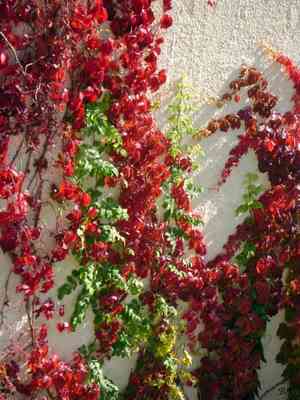
Virginia creeper provides vivid seasonal color shifts, enhancing your garden's look across the year.
2
Selecting an appropriate location allows you to maximize the growth and beauty of Virginia creeper in your outdoor space.
3
Virginia creeper aids local biodiversity, offering shelter and sustenance for various wildlife species.
Introducing Virginia Creeper to Your Garden
Selecting the Optimal Location for Virginia Creeper
The initial step in integrating Virginia creeper into your garden involves careful site selection. Virginia creeper flourishes best with ample to moderate sunlight and well-drained soil. Aim for a spot where the plant has room to expand, given its vigorous growth habit. If planting near structures like fences or trellises, ensure they can bear the plant's weight and be aware it can ascend and potentially harm delicate surfaces. Choosing an ideal location will enhance the visual appeal and vitality of Virginia creeper.
Understanding Virginia Creeper's Growth Characteristics
Virginia creeper is renowned for its robust and extensive growth. Grasping this growth pattern is vital for landscape planning. Typically, Virginia creeper grows quickly, extending tendrils that attach to various surfaces. It is a perennial climbing plant, meaning it will return annually. Monitoring its spread is crucial, as its capacity to colonize an area could lead to it overshadowing other plants. With occasional trimming and upkeep, you can manage its growth effectively and guide it to complement your garden's design.
Aesthetic Advantages of Virginia Creeper
Seasonal Hue Transformations
One of Virginia creeper's most captivating attributes is its seasonal color shift. Throughout the growing period, Virginia creeper transitions from vibrant green in spring and summer to striking red and purple tones in autumn. This dynamic change can introduce a dramatic burst of color to your landscape, fostering a more engaging and visually appealing setting year-round. The evolving shades also offer a way to signify the changing seasons within your own garden.
Adding Architectural Elements with Virginia Creeper
Beyond its color, Virginia creeper can significantly contribute to the structural components of your garden. Its ability to climb and cover surfaces makes it an excellent option for introducing vertical interest. Whether you use it to adorn a pergola, fence, gazebo, or even create a living wall, Virginia creeper provides depth and texture. This structural diversity can alleviate the monotony of flat landscapes, bringing a new dimension to your garden. Furthermore, the leaves and tendrils of Virginia creeper add a delicate, intricate pattern that enhances any supporting structure.
Integrating Virginia Creeper into Landscape Design
Companion Plants for Virginia Creeper
To maximize Virginia creeper's impact in your landscape design, consider pairing it with companion plants that complement its growth and appearance. Ideal companions include perennials and shrubs that thrive in similar conditions, such as hostas, ferns, and hydrangeas. These can contrast with Virginia creeper's climbing habit by offering different textures and heights, creating a more balanced and harmonious garden layout. Selecting plants that support or tolerate Virginia creeper's growth ensures all elements can flourish together without competition.
Establishing Visual Anchors
Utilizing Virginia creeper to establish focal points within your garden can draw attention to specific areas or enhance architectural features. For instance, allow Virginia creeper to ascend an archway to create an inviting entrance or permit it to cover a wall to form a vibrant backdrop. By strategically placing Virginia creeper, you can highlight the areas you wish to emphasize while providing a lush, green focal point. These focal points can serve as stunning visual anchors that enhance the overall design and flow of your landscape.
Ecological Benefits of Using Virginia Creeper
Contribution to Local Biodiversity
Incorporating Virginia creeper into your garden isn't solely about aesthetics; it also contributes to local biodiversity. By offering a varied habitat, Virginia creeper supports diverse insects, including pollinators like bees and butterflies. Additionally, its dense foliage provides a safe haven for small animals and birds. An environmentally friendly choice, Virginia creeper helps maintain and improve the ecological health of your garden.
Natural Support for Wildlife
Beyond fostering plant diversity, Virginia creeper serves as crucial support for local wildlife. Birds frequently use its foliage for nesting sites, while its berries can offer a food source during autumn and winter months. This natural support system helps create a balanced and flourishing ecosystem right in your backyard. Planting Virginia creeper is a way to attract and sustain wildlife, promoting a healthy and vibrant garden environment.



