Enhancing Your Garden Design with the Boston ivy Plant: A Landscaping Guide
1
Boston ivy flourishes in full sun to partial shade, offering flexibility for various landscape plans.
2
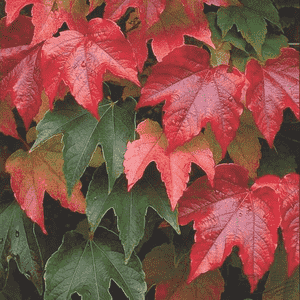
Its deciduous habit provides seasonal shifts in hue, transitioning from bright greens to rich reds and purples.
3
Effective care involves consistent trimming to manage its spread and promote robust growth.
Grasping the Fundamentals of Boston Ivy in Garden Design
An introduction to Boston ivy and its distinct features in landscape architecture
Understanding the basics of Boston ivy is vital when considering it for your outdoor space. This adaptable climber is known for its rapid expansion and capacity to cover walls, trellises, and other structures. Its adhesive pads allow it to attach without extra support, making it an excellent option for adding vertical interest to your garden. Due to its resilient nature, Boston ivy can flourish in diverse climates and soil types, contributing to its widespread appeal among gardeners.
The aesthetic appeal of Boston ivy across different seasons
One of the most captivating aspects of Boston ivy is its visual transformation throughout the year. In spring and summer, its leaves are a vibrant, glossy green, forming a lush backdrop for other garden flora. As autumn approaches, Boston ivy becomes the focal point with its spectacular foliage, shifting to shades of red, orange, and purple before the leaves drop for winter. This seasonal change can introduce dynamic color variations to your landscape, ensuring continuous visual interest.
Optimal Locations for Planting Boston Ivy
Selecting appropriate spots for visual impact and thriving growth
Choosing the ideal location for Boston ivy is crucial to maximize its aesthetic impact and ensure robust development. Consider areas where it can ascend and spread, such as building facades, fences, or pergolas. It's also a superb choice for concealing unattractive walls or structures, offering a verdant, living screen. Planning your planting in this manner not only enhances your garden's beauty but also supports the vine's natural growth patterns.
How sunlight and shade influence Boston ivy placement
Boston ivy prospers in both full sun and partial shade. However, be aware that sun exposure can impact its growth rate and color intensity. In sunny locations, Boston ivy will generally grow more vigorously and display more vibrant autumn hues. Conversely, in shaded areas, it might grow a bit slower, and its fall color change could be less dramatic. Therefore, balancing sunlight and shade based on your garden's layout is key to achieving the desired growth and visual outcomes.
Integrating Boston Ivy into Various Landscaping Styles
Pairing Boston ivy with contemporary landscape designs
Boston ivy can seamlessly integrate into modern garden aesthetics, offering clean lines and structured growth. It complements minimalist hardscaping elements, such as concrete walls or metal trellises, providing a stark contrast that highlights its rich foliage. Utilizing Boston ivy as a vertical element in modern landscapes can soften the severity of industrial materials and add a natural, organic touch to sleek, contemporary designs.
Employing Boston ivy in traditional garden environments
In more classic or traditional garden settings, Boston ivy can evoke a sense of timeless charm and sophistication. Its dense foliage can be trained over brick walls or wrought iron fences, creating a picturesque look that is both quaint and enchanting. Additionally, Boston ivy pairs beautifully with other traditional garden plants, such as roses or hydrangeas, enhancing the overall aesthetic with its complementary texture and seasonal color shifts.
Care Guidelines for Boston Ivy in Your Garden
Fundamental upkeep and seasonal maintenance strategies
Maintaining Boston ivy involves regular trimming to manage its growth and prevent it from becoming overly expansive. Prune in late winter or early spring before new shoots emerge, removing any dead or overgrown branches. Watering needs are generally minimal once established, but during extended dry spells, occasional deep watering can help keep the plant healthy. Fertilizing in early spring with a balanced feed will also encourage vigorous growth.
Addressing common issues with Boston ivy in landscaping
While Boston ivy is typically low-maintenance, it can encounter problems like leaf scorch in extremely hot conditions or pest infestations such as aphids. To prevent leaf scorch, ensure the plant receives adequate water during heatwaves. For pest control, natural remedies like neem oil or insecticidal soap can be effective. Furthermore, regularly inspect the plant for any signs of disease or pests and address issues promptly to maintain its health and beauty.
Successful Combinations with Boston Ivy: Companion Plants
Selecting companion plants that enhance Boston ivy's growth and beauty
Pairing Boston ivy with suitable companion plants can boost its visual appeal and contribute to a balanced garden ecosystem. Choose plants that thrive in similar conditions and offer complementary forms and colors. Ground covers like ivy or hostas can provide a lush base, while flowering plants such as clematis can add bursts of color and texture. The aim is to create a harmonious blend where each plant accentuates the strengths of the others.
Popular plant pairings frequently used with Boston ivy
Common companions for Boston ivy include climbing roses, which can intertwine with Boston ivy to create a stunning floral display. Perennials like lavender or salvia are also excellent choices, as their spikes of color contrast beautifully with Boston ivy's broad leaves. Ornamental grasses can add texture and movement, while evergreens provide year-round structure even when Boston ivy sheds its leaves. Experiment with various combinations to discover the perfect mix for your garden.



