Enhancing Your Garden Design with the Empress tree Plant: A Landscaping Guide
1
The Empress tree is recognized for its swift development, offering prompt shade and structural elements.
2
Its sizable, ornamental foliage contributes to a verdant and abundant garden appearance.
3
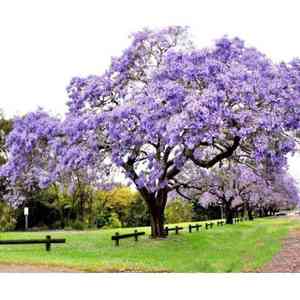
This tree yields impressive spring flowers, elevating the garden's visual appeal.
Why Select Empress Tree for Your Garden?
Fast Development: Enjoy rapid shade and structure in your garden.
A primary reason to incorporate Empress tree into your garden is its swift growth rate. If you aim to quickly establish shade or add form to your outdoor area, Empress tree is an excellent option. Within just a few years, you can achieve substantial canopy coverage, which can help lower temperatures, shield smaller plants, and create pleasant, shaded spots for relaxation. The quick establishment of Empress tree helps accelerate your garden's maturity, making it appear established even when relatively new.
Large, Ornamental Leaves: Creates a lush, full appearance.
The moment you plant Empress tree in your garden, you'll notice its sizable, decorative leaves, which are truly a prominent feature. These enormous leaves not only impart a lush, tropical feel to your garden but also contribute to a fuller, more vibrant landscape. The dense foliage forms a green, picturesque backdrop that works beautifully as a scenic setting or a natural privacy screen. Their unique texture and size make Empress tree an eye-catching specimen that can help define and enhance various garden styles, from traditional to modern.
Seasonal Blooms: Advantages of spectacular spring flowers.
Beyond its quick growth and abundant foliage, Empress tree brings a burst of color to your garden with its magnificent spring blossoms. These flowers typically appear in early to mid-spring, offering a display of lavender to purple shades. The blooms not only add aesthetic value but also support local pollinators, making your garden a sanctuary for bees, butterflies, and other beneficial insects. The seasonal floral show of Empress tree can become a highly anticipated event each spring, signaling new growth and revitalizing your outdoor space's visual appeal.
Integrating Empress Tree into Existing Landscapes
Selecting the Ideal Spot: Placement considerations for balance and beauty.
When adding Empress tree to your current landscape, choosing the correct location is vital. Consider factors such as sun exposure, soil type, and spatial dynamics. Empress tree thrives in full sun to partial shade and prefers well-draining soil. Position Empress tree where it can grow freely without overshadowing other plants, ensuring it complements rather than competes with surrounding foliage. Thoughtful placement will create a balanced view that enhances your garden's overall aesthetic.
Visual Harmony: How to pair Empress tree with other plants.
Achieving visual harmony in your garden involves smart pairing of Empress tree with other plants. Its large leaves and impressive size mean it can serve as a central focal point, around which smaller plants and shrubs can be arranged. Consider pairing Empress tree with plants that have contrasting textures and colors to create visual interest. Ground covers, perennials, and ornamental grasses can all be good companions, helping to fill in spaces and create a cohesive, layered look that feels natural and harmonious.
Managing Development: Strategies to integrate with existing plant life.
Successfully managing the growth of Empress tree is crucial for maintaining harmony within your garden. Regular pruning can help control its size and shape, ensuring it integrates well with existing plant life. Prune lower branches to allow light to reach understory plants and to maintain an open, airy canopy. Also, consider periodically thinning out the foliage to prevent the tree from becoming overly dense, which can dominate the area and hinder the growth of nearby plants. Implementing these strategies will help keep Empress tree a well-behaved and attractive addition to your landscape.
Seasonal Care Advice for Empress Tree
Spring Preparation: Essential early-year upkeep.
Spring is a crucial time to prepare Empress tree for the upcoming growing season. Begin with a thorough inspection to assess any winter damage. Prune away dead or damaged branches to encourage healthy new growth. Fertilize with a balanced, slow-release fertilizer to boost vitality and promote robust blooming. It's also a good time to mulch around the tree's base to retain moisture and suppress weeds. These early-year maintenance tasks will set the stage for a thriving and visually stunning Empress tree in your garden.
Summer Maintenance: Sustaining health during peak growth.
During the summer, Empress tree enters its peak growth phase, requiring consistent care to maintain its health and beauty. Ensure it receives adequate water, especially during dry periods, as sufficient moisture is vital for sustained growth. Regularly check for signs of pests or disease and address any issues promptly to prevent extensive damage. Light pruning during this period can also help shape the tree and remove any unwanted growth. With thoughtful summer upkeep, Empress tree will continue to flourish and contribute positively to your landscape.
Autumn and Winter Care: Preparing Empress tree for dormancy.
As autumn arrives, it's time to prepare Empress tree for the approaching winter months. Start by cleaning up fallen leaves and debris to prevent fungal diseases. Apply a generous layer of mulch to protect the roots from fluctuating temperatures and to maintain soil moisture. In regions with harsh winters, consider wrapping the trunk to guard against frost cracks and other cold damage. By taking these steps, you ensure that Empress tree remains healthy through its dormant period, ready to burst back to life when spring returns.



