Enhancing Your Garden Design with the Creeping phlox Plant: A Landscaping Guide
1
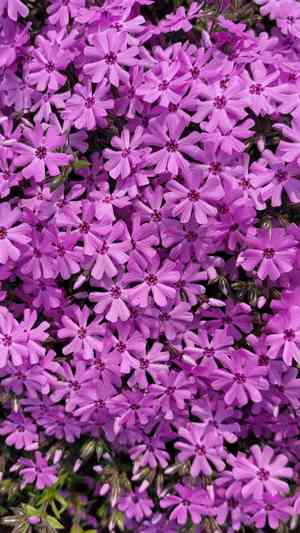
Creeping phlox offers continuous aesthetic appeal, making it a flexible choice for any garden space.
2
Its vivid shades and thick growth provide superb ground cover and splashes of color.
3
Creeping phlox is environmentally beneficial, drawing in pollinators and tolerating dry conditions well, ideal for eco-conscious garden design.
Exploring the Visual Charm of Creeping Phlox
Year-round Aesthetic Appeal: How Creeping Phlox Transforms Environments Through Seasons
A captivating attribute of Creeping phlox is its capacity to offer visual interest throughout the entire year. Unlike many ground covers that might recede in certain periods, Creeping phlox exhibits a remarkable ability to seasonally alter spaces. During spring and summer, anticipate a stunning display of vibrant blossoms that carpet the ground like a living textile. When winter arrives, Creeping phlox retains its vivid green foliage, ensuring your garden remains lively even in colder months. This continuous appeal makes Creeping phlox a smart selection for those aiming to cultivate a dynamic and engaging landscape that evolves with the seasons.
Color and Density: The Bright Hues and Thick Mats of Creeping Phlox
Creeping phlox is celebrated for its vivid colors and its tendency to form dense ground-covering mats. Available in a spectrum of shadesâfrom gentle pastels to intense magentasâthese blooms can be a striking focal point in any garden. The plantâs compact growth habit helps suppress weeds, lowering garden upkeep while keeping your landscape visually pleasing. With Creeping phlox, you can effortlessly fill empty areas, creating a seamless, lush ground cover that provides a striking contrast to taller plants and flowers. Its adaptability makes it suitable for various garden settings, whether you're aiming for a formal, structured look or a more natural, wild-flower aesthetic.
Integrating Creeping Phlox into Diverse Landscape Designs
Harmonizing with Perennials: Pairing Concepts
Incorporating Creeping phlox into your landscape design is an excellent method to blend various plantings, especially perennials. The low-growing nature of Creeping phlox offers a perfect foreground for taller perennials, creating layers of color and texture. Consider combining it with plants such as salvia, daylilies, or ornamental grasses. These pairings not only enhance visual appeal but also promote a more biodiverse ecosystem. The key is to select perennials with complementary bloom times and colors, ensuring a cohesive integration that elevates the garden's overall appearance.
Borders and Edges: Innovative Uses for Creeping Phlox as Natural Dividers
Utilizing Creeping phlox along borders and edges is an intelligent way to establish natural boundaries within your garden. Its mat-forming capability helps define areas while providing a soft, textured edge to pathways, flower beds, and garden perimeters. When planted along garden edges, Creeping phlox can help delineate zones and offer a unified look that connects the entire landscape. For a creative design touch, consider alternating Creeping phlox colors along the edges or mixing it with other low-growing plants to create a visually rich border. The versatility of Creeping phlox in these applications suits both formal and informal garden settings well.
Care Guidelines for Optimizing Creeping Phlox in Your Garden
Simplified Seasonal Care: Ensuring Year-round Beauty
Maintaining Creeping phlox throughout the year is relatively straightforward, making it an ideal choice for gardeners of all experience levels. In spring, ensure your plants receive ample water as they begin new growth. During summer, apply mulch around Creeping phlox to retain moisture and keep roots cool. Autumn is an excellent time to trim back any sprawling stems and remove debris to keep the plant tidy. Winter care involves a light pruning to shape the plant and remove any damaged parts. By following these simple steps, you can ensure that Creeping phlox remains robust and beautiful all year long.
Managing Excessive Growth: Pruning Techniques
To preserve the health and aesthetic of Creeping phlox, regular pruning is crucial. If left unmanaged, it can become overly dense, leading to issues like poor air circulation and increased vulnerability to pests. An annual pruning in early spring can help control its growth and encourage new blooms. Use clean, sharp shears to trim back approximately one-third of the plantâs length, focusing on any dead or overgrown sections. This not only helps manage plant size but also stimulates healthier, more vibrant growth. Regularly removing spent flowers can also extend the blooming period and keep your garden looking fresh and colorful.
Ecological Advantages of Using Creeping Phlox in Landscaping
Supporting Local Wildlife: Attracting Pollinators and Beneficial Insects
A significant eco-friendly benefit of incorporating Creeping phlox into your garden is its capacity to draw in pollinators and helpful insects. The brightly colored flowers of Creeping phlox act as a magnet for bees, butterflies, and other pollinators, supporting local ecosystems and fostering plant biodiversity. Furthermore, these beneficial insects play a vital role in natural pest control, reducing the need for chemical interventions. By planting Creeping phlox, you cultivate a more balanced, healthier garden environment that benefits both your plants and local wildlife.
Drought Resistance: Why Creeping Phlox is Ideal for Sustainable Landscaping
Creeping phlox is remarkably drought-resistant, making it an excellent option for sustainable landscaping. Once established, Creeping phlox requires minimal watering, which is advantageous in water-scarce regions or for gardeners aiming to lessen their environmental impact. Its deep root system allows it to efficiently access water, surviving dry spells and maintaining its lush appearance. This drought tolerance not only conserves water but also reduces overall garden maintenance, making Creeping phlox a practical and eco-conscious choice for anyone seeking to create a sustainable and beautiful garden landscape.



