Enhancing Your Garden Design with the Blue spruce Plant: A Landscaping Guide
1
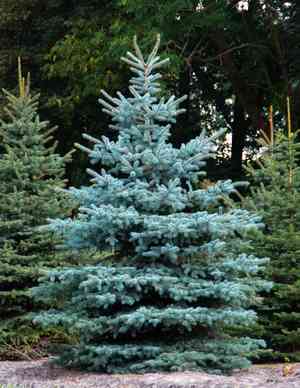
Blue spruce provides a striking blue-green hue, enhancing your garden's aesthetic.
2
Strategic placement of Blue spruce in your garden can create natural screens and windbreaks.
3
Pairing plants with Blue spruce ensures continuous beauty and diversity in your outdoor space.
The Aesthetic Appeal of Blue spruce in Landscaping
Stunning Color Palette: Explore the unique blue-green hues of Blue spruce
Blue spruce is renowned for its striking blue-green needles, offering a refreshing contrast to typical garden greens. This distinct color scheme makes Blue spruce a focal point in any setting, providing a cool, calming effect that elevates overall beauty. Gardeners often select Blue spruce for its year-round vibrant color, making it adaptable for various garden designs.
Year-Round Beauty: How Blue spruce remains vibrant across seasons
A key advantage of integrating Blue spruce into your landscape is its consistent beauty throughout all seasons. Unlike many plants that shed leaves or change significantly with seasonal shifts, Blue spruce maintains its impressive appearance through summer heat and winter cold. This evergreen characteristic establishes Blue spruce as a dependable anchor in your garden, offering continuous visual interest all year.
Texture and Shape: The role of Blue spruce's distinct conical form in garden structure
Blue spruce's characteristic conical shape is not only visually appealing but also plays a crucial structural role in landscaping. The tree's dense foliage and symmetrical form can serve as natural focal points, bringing balance and unity to garden layouts. Furthermore, its textured needle arrangement adds an additional layer of depth and intricacy, enriching your garden's overall composition.
Strategic Placement of Blue spruce in Your Garden
Privacy and Wind Barriers: Utilizing Blue spruce for natural home protection
Blue spruce can be strategically positioned to fulfill practical roles alongside its aesthetic charm. For homeowners desiring increased privacy, Blue spruce acts as an effective natural screen. Its thick foliage can obscure unwanted views and reduce noise, creating a more tranquil and secluded garden space. Similarly, Blue spruce can serve as a windbreak, safeguarding other plants and your home from strong gusts, thereby minimizing potential weather damage.
Accentuating Features: Tips on highlighting Blue spruce as a focal point
Emphasizing Blue spruce as a garden focal point can enhance its visual appeal. Placing Blue spruce centrally or at key viewpoints can draw attention and ground the garden's design. Additionally, using lighting to illuminate Blue spruce at night can transform your garden into a showcase even after sunset. Pairing Blue spruce with complementary plants in terms of shape and color can further boost its prominence as a striking feature.
Spacing and Placement: Best practices for optimal growth and visual impact
When planting Blue spruce, proper spacing and placement are vital for both aesthetic and growth considerations. Ensure ample room for Blue spruce to reach its full size without being crowded by other plants. This not only promotes healthy development but also ensures the tree's complete beauty is displayed. Well-spaced Blue spruce trees can create a sense of continuity and flow in your garden, making the area feel more expansive and thoughtfully designed.
Companion Planting with Blue spruce
Choosing Complementary Plants: What thrives alongside Blue spruce
Companion planting can boost the beauty and vitality of Blue spruce in your landscape. Plants that flourish in similar conditionsâthose preferring well-drained soil and partial to full sunâmake excellent partners. Consider pairing Blue spruce with ground covers, perennials, or ornamental grasses that offer contrasting colors and textures. This combination can create a layered look that adds depth and interest to your garden.
Design Techniques: Creating harmonious color and texture combinations
Crafting a harmonious garden design involves balancing hues and textures. The blue-green needles of Blue spruce pair beautifully with vibrant flowers and foliage of varied textures. For instance, the soft petals of flowering plants like roses or the broad leaves of hostas can offset Blue spruce's spiky needles, creating a visually pleasing contrast. A mix of plants not only enhances visual diversity but also fosters a healthier ecosystem.
Seasonal Considerations: Ensuring year-round compatibility and contrast
Maintaining your garden's appeal throughout the year requires careful planning. Select companion plants that bloom at different times or have varying peak seasons. This ensures that while Blue spruce provides a consistent backdrop, other plants can take center stage at various points in the year. Incorporating plants with fall foliage, winter berries, and spring blossoms guarantees your garden remains colorful and dynamic as seasons change.
Maintaining Blue spruce in Landscapes
Basic Maintenance Tips: Simplifying the care of Blue spruce
Caring for Blue spruce is relatively straightforward if you adhere to some fundamental guidelines. Ensure the tree is planted in well-drained soil and receives sufficient sunlight. Regular watering during dry periods and mulching to retain moisture can help keep your Blue spruce healthy. Additionally, annual pruning helps maintain its form and encourages denser growth. With proper attention, Blue spruce can thrive and remain a beautiful feature in your landscape.
Solving Common Issues: Preventing and addressing typical challenges with Blue spruce
Like any plant, Blue spruce can encounter certain difficulties. Common problems include needle cast disease, which causes needles to brown and drop, and aphid infestations. Prevent these issues by regularly inspecting your tree and promptly addressing any signs of disease or pests. Applying appropriate fungicides and insecticides can help manage these concerns. Keeping the area around Blue spruce clear of fallen needles and debris also lowers the risk of fungal infections.
Lifecycle Management: Understanding the growth stages of Blue spruce
Understanding the growth cycle of Blue spruce can assist in its care and upkeep. Young Blue spruce trees require more frequent watering and protection from extreme weather. As the tree matures, it becomes more resilient but still needs consistent care to remain healthy. Knowing when to prune and how to manage growth spurts ensures that your Blue spruce remains an attractive and integral part of your landscape for many years.



