Enhancing Your Garden Design with the Japanese pieris Plant: A Landscaping Guide
1
Japanese pieris provides vivid hues and varied leaf textures that transform throughout the year.
2
Thoughtfully positioning Japanese pieris in your outdoor space can establish striking visual anchors.
3
Appropriate care for Japanese pieris guarantees it stays a thriving and robust element in your garden.
Introducing Japanese Pieris for Landscape Design
Key attributes of Japanese pieris making it suitable for landscaping
Japanese pieris, recognized for its resilience and striking appearance, is a favored option for gardeners aiming to enhance their outdoor areas. This plant flourishes across various climates and soil types, offering a flexible choice for diverse landscapes. Its evergreen nature guarantees a consistently vibrant and lush garden throughout the year. Furthermore, Japanese pieris demands minimal upkeep, presenting a significant benefit for both new and experienced gardeners.
The aesthetic appeal of Japanese pieris: hues and textures
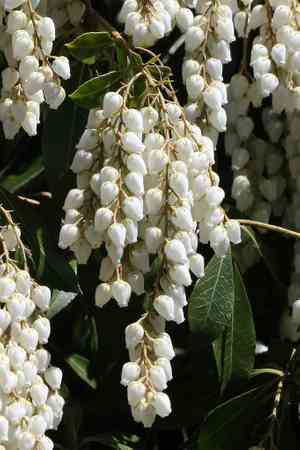
A prominent characteristic of Japanese pieris is its remarkable visual charm, which greatly improves any landscape design. The plant showcases a stunning range of colors, from the vivid red of its new spring leaves to the deep green of mature foliage. Moreover, its white or pink blossoms add a delicate touch that beautifully contrasts with the bold leaves. Its multi-textured look, featuring glossy leaves and small, bell-shaped flowers, provides an elegant blend that can elevate your garden's aesthetic quality.
Seasonal transformations and the year-round allure of Japanese pieris
Japanese pieris stands out by offering visual interest across all seasons. In spring, its red-tinged new growth and flower clusters create a lively scene. During summer, the plant's deep green foliage forms a lush backdrop, and in autumn, leaves might adopt a bronze hue, adding warmth to your garden. Even in winter, Japanese pieris remains an attractive feature with its evergreen leaves and potential for subtle color shifts, ensuring continuous beauty.
Strategic Placement of Japanese Pieris in Your Garden
Front yard versus backyard: Optimal locations for Japanese pieris
Deciding where to position Japanese pieris in your garden is vital for maximizing its impact. In the front yard, it can serve as an inviting focal point, boosting curb appeal and welcoming guests with its vibrant presence. Conversely, placing it in the backyard can establish a serene, private sanctuary where you can appreciate its beauty in a more secluded setting. In both cases, consider the plant's light and soil requirements for optimal growth.
Creating focal points using Japanese pieris
Japanese pieris is ideal for establishing prominent features in your landscape. Plant it in key areas where you wish to draw attention, such as near entrances, along paths, or within garden beds. Its striking appearance, especially when blooming, makes it a natural centerpiece. Grouping several Japanese pieris plants can amplify the visual effect and create a powerful, unified look.
Integrating Japanese pieris with other landscape elements
To achieve a balanced landscape design, it's crucial to consider how Japanese pieris will interact with other plants and features in your garden. Its bold foliage and flowers can complement softer, more understated plants, fostering a harmonious appearance. Additionally, positioning Japanese pieris near structures like garden benches, fountains, or sculptures can enhance both the plant and the feature, resulting in a cohesive and aesthetically pleasing garden design.
Pairing Japanese Pieris with Other Plants
Companion plants that enhance Japanese pieris's beauty
Selecting appropriate companion plants for Japanese pieris can significantly boost your garden's visual appeal. Consider pairing it with plants featuring contrasting colors, such as ornamental grasses or Heuchera with their rich, dark leaves. Azaleas and rhododendrons also make excellent companions, as their flowers can complement the hues of Japanese pieris's blooms, creating a cohesive and attractive planting scheme.
Contrasting textures and colors that complement Japanese pieris
Experimenting with contrasting textures and colors can create a dynamic and visually exciting garden. Combine Japanese pieris with delicate ferns or broad-leaved hostas to provide textural contrast. For color contrast, consider plants with purple or blue flowers, which can create a striking visual effect when placed near Japanese pieris's white or pink blooms. This interplay of textures and colors can elevate your landscape design.
Design concepts: from formal to naturalistic settings
Japanese pieris is adaptable enough to fit into various design themes. In a formal garden, its structured form and elegant flowers can contribute to a polished and refined aesthetic. In contrast, for a more naturalistic or woodland setting, its organic shape and seasonal changes blend seamlessly with other native plants and trees, creating a harmonious and tranquil environment. Tailoring surrounding plant choices and layout to match your desired theme can result in a cohesive and beautiful garden.
Maintenance Tips for Lasting Impact
Essential care requirements for Japanese pieris in landscapes
To ensure Japanese pieris remains a healthy and vibrant part of your landscape, fundamental maintenance is vital. This includes sufficient watering, particularly during dry spells, and applying a balanced fertilizer during the growing season. Ensuring well-draining and slightly acidic soil can also promote robust growth. Mulching around the plant's base helps retain moisture and keep roots cool.
Addressing common pests and issues
While Japanese pieris is quite resilient, it is not immune to pests and diseases. Frequent problems include lacebugs, spider mites, and root rot. Regular inspection of your plants and applying suitable organic or chemical treatments when necessary can keep these issues under control. Ensuring good air circulation and avoiding overwatering can also prevent many common problems.
Pruning and seasonal care for optimal development
Pruning Japanese pieris is important for maintaining its form and encouraging vigorous growth. Regularly remove dead or damaged branches, and consider light pruning after the flowering season to help shape the plant. Seasonal care, such as protecting the plant from harsh winter conditions, ensures Japanese pieris remains a beautiful and enduring part of your garden.
Winter protection strategies for Japanese pieris
Winter care is crucial for Japanese pieris, especially in regions with severe winters. Applying mulch around the base can shield the roots from freezing. Additionally, consider wrapping the plant with burlap to protect it from windburn and frost. Ensuring Japanese pieris is adequately watered before the ground freezes can also help it survive winter and flourish in the spring.



