Enhancing Your Garden Design with the Creeping charlie Plant: A Landscaping Guide
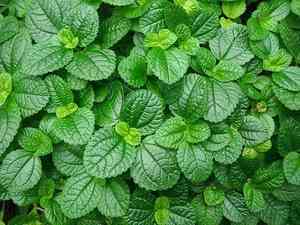
1
Creeping charlie excels at beautifying paths and pedestrian areas with its dense, spreading habit.
2
Perfect for forming appealing boundaries, Creeping charlie offers a gentle and refined outline for garden perimeters.
3
Incorporating Creeping charlie alongside both harmonious and contrasting flora can greatly improve garden visual appeal.
Introducing Creeping Charlie in Garden Design
What is Creeping Charlie?
Creeping Charlie, often called Creeping Charlie, is a versatile and appealing plant frequently used in landscaping for its abundant, trailing leaves. It's a tough ground cover known for quick growth and thriving in diverse conditions. Its vibrant green foliage can add elegance and freshness to any garden or outdoor space, making it a favored option among gardeners.
Why select Creeping Charlie for landscaping?
Choosing Creeping Charlie for your landscape projects offers many advantages. Its spreading habit makes it ideal for quickly covering bare ground, which helps prevent erosion and suppress weeds. Furthermore, Creeping Charlie is relatively low-maintenance, needing little attention once established. Its ability to grow in both sunny and shady spots adds to its versatility, allowing its use in various garden areas.
Optimal Placement of Creeping Charlie in Landscape Layouts
Enhancing paths and walkways
Creeping Charlie can be a wonderful addition along paths and walkways. Its trailing stems create a beautiful, natural border that softens the edges of concrete or stone surfaces. The visual appeal is heightened when Creeping Charlie cascades over the sides, creating a lush, inviting look. As it grows into a dense mat, it helps define the walkway while also providing some soil stability.
Creating border lines or edges
For gardeners aiming to establish distinct, attractive borders, Creeping Charlie is an excellent choice. It provides a consistent and visually pleasing edge for garden beds and lawn areas. This plant's dense growth can also serve as a natural barrier, keeping soil and mulch in place while adding an aesthetic touch. The contrast between its small leaves and the plants behind it can create a delightful texture in your garden design.
Utilizing Creeping Charlie as ground cover
Creeping Charlie is especially effective as ground cover due to its capacity to spread quickly and cover large areas with abundant foliage. It works well to fill in garden gaps, providing seamless, carpet-like coverage that is both attractive and practical. Using Creeping Charlie as ground cover can lessen the need for mulching and frequent weeding, as it naturally inhibits weed growth and retains soil moisture.
Pairing Creeping Charlie with Other Plants
Companion plants for Creeping Charlie
To amplify Creeping Charlie's beauty, consider pairing it with plants that share similar growing conditions. Ferns, hostas, and astilbes make excellent companions. These plants thrive in comparable soil and light conditions and together can form a lush, green sanctuary in shaded or partially shaded garden spots. This combination can result in a layered appearance, offering varied heights and textures that complement each other beautifully.
Contrasting plants to boost visual appeal
Introduce contrasting elements to your landscape by pairing Creeping Charlie with plants that have different colors, heights, or textures. Tall flowering plants such as irises, lilies, or ornamental grasses can provide vertical interest and vibrant color contrasts against Creeping Charlie's green foliage. This blend can create dynamic visual appeal and ensure your garden is captivating throughout the growing season.
Seasonal Considerations for Creeping Charlie
Best times to plant Creeping Charlie
The optimal seasons for planting Creeping Charlie are spring and fall when temperatures are milder and soil moisture is more consistent. Planting during these periods allows Creeping Charlie to establish itself with less stress from heat and drought, leading to robust growth and development. Additionally, the plant will have ample time to spread and root deeply, ensuring strong performance in subsequent seasons.
How does Creeping Charlie adapt to different seasons?
Creeping Charlie is a resilient plant that adjusts well to various seasonal changes. In summer, it thrives with moderate water and occasional shade, maintaining its lush green appearance. During winter, Creeping Charlie might die back in colder climates but typically returns in spring with renewed vigor. Its adaptability makes it a dependable choice for consistent landscape beauty year-round, requiring minimal upkeep.
Maintaining Creeping Charlie's Aesthetics in Your Garden
Regular care guidelines
To keep Creeping Charlie looking its best, consistent maintenance is crucial. Ensure it receives sufficient water, especially during dry spells, to preserve its lush look. Occasional feeding with a balanced fertilizer can encourage vigorous growth. Trim back any overgrown sections to control its spread and promote bushier growth. Removing dead or damaged leaves will also help maintain its visual appeal.
Managing excessive growth
While Creeping Charlie is valued for its rapid growth, managing overgrowth is vital to prevent it from overpowering other plants. Regular pruning can keep it within desired boundaries. If it begins to encroach on walkways or other plants, gently redirect its growth or remove excess foliage. In garden beds, edging materials can also help contain its spread and keep your landscape design neat and tidy.



