Enhancing Your Garden Design with the Swiss stone pine Plant: A Landscaping Guide
1
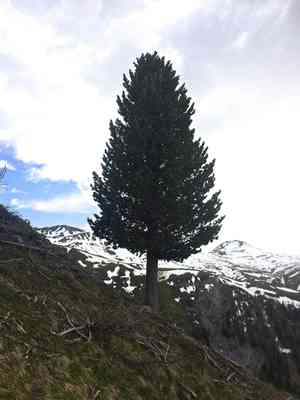
The Swiss stone pine provides a distinct aesthetic with its vibrant green needles and thick canopy.
2
This pine variety can serve as a foundational component in garden layouts, adding verticality and dimension.
3
Correct positioning of the Swiss stone pine is crucial for its development and seamless incorporation into your outdoor space.
Introducing Swiss Stone Pine in Landscape Design
Swiss Stone Pine's Visual Appeal Overview
Swiss stone pine offers a striking presence in any landscape, recognized for its rich, evergreen foliage and elegant shape. Its long, slender needles and compact growth habit provide a refined yet natural appearance, making it perfect for both formal and informal garden settings. The deep green color of Swiss stone pine stands out year-round, offering continuous visual interest even in colder months when other plants may lose their leaves or vibrant hues.
Swiss Stone Pine's Role in Structured Landscape Designs
Swiss stone pine is crucial in landscape design by providing structure and depth. Its impressive height can form natural barriers, delineate property boundaries, or serve as a garden focal point. When strategically placed, Swiss stone pine can direct attention to specific garden areas, guide pathways, or add vertical dimension to a predominantly horizontal garden layout. Its consistent growth pattern also makes it a dependable structural element, whether you're aiming for a formal garden design or a more rustic, natural aesthetic.
Selecting the Best Location for Swiss Stone Pine
Understanding Sun Exposure and Soil Requirements
Choosing the ideal spot for Swiss stone pine involves knowing its light and soil preferences. Swiss stone pine thrives in well-draining soil and prefers full sun to partial shade. Before planting, ensure the chosen area receives adequate sunlight throughout the day. Also, consider the soil composition; if your garden soil is heavy clay or overly sandy, enriching it with organic matter can create an optimal growing environment for Swiss stone pine. Proper soil preparation ensures strong root development, vital for the plant's health and longevity.
Proximity to Other Plants and Structures
When planting Swiss stone pine, it's important to consider its mature size and growth rate. This plant can become quite large over time, so it requires ample space to grow without crowding other plants. Additionally, avoid planting Swiss stone pine too close to structures like houses or fences, where its roots or branches could cause damage as it matures. By planning for its future size, you can prevent potential issues and ensure Swiss stone pine integrates smoothly into your landscape. Thoughtful placement also enhances its visual impact, allowing it to stand out without overshadowing other garden elements.
Designing with Swiss Stone Pine: Aesthetic Considerations
Seasonal Changes and Their Visual Effects
Swiss stone pine provides year-round beauty, but its appearance subtly shifts with the seasons, adding dynamic visual interest to your landscape. In spring and summer, its rich green foliage contrasts beautifully with blooming flowers and deciduous trees. In fall and winter, Swiss stone pine offers much-needed greenery and texture when many other plants have become dormant. These seasonal variations can be strategically used to create a garden that is visually appealing throughout the year, making Swiss stone pine a versatile and valuable addition to any landscape.
Integrating Swiss Stone Pine with Your Garden's Overall Theme
When incorporating Swiss stone pine into your garden, consider the overall theme and style you wish to achieve. For a formal garden, its symmetrical shape and dense foliage can enhance a neat, orderly look. In a more naturalistic or cottage garden, Swiss stone pine can add structure and depth without appearing out of place. Pairing it with other plants that complement its color and form can create a cohesive design that feels intentional and well-planned. Whether your garden style is modern, classic, or eclectic, Swiss stone pine can adapt to fit seamlessly into your vision.
Practical Tips for Incorporating Swiss Stone Pine into Your Yard
Spacing and Grouping for Optimal Growth and Visual Impact
Correct spacing is vital for the health and visual appeal of Swiss stone pine. Planting them too close can lead to competition for resources, while placing them too far apart can make the landscape appear sparse. Grouping Swiss stone pine in odd numbers and varying their spacing slightly can create a more natural look. This method also allows each plant sufficient room to develop fully, ensuring they all grow strong and healthy. Adequate spacing helps maintain air circulation, reducing disease risk and promoting more vigorous growth.
Maintaining Aesthetics with Minimal Effort
One of the advantages of using Swiss stone pine in your landscape is its relatively low maintenance needs. Regular watering, especially during the initial few years, and occasional pruning to remove dead or damaged branches are typically all that's required to keep Swiss stone pine looking its best. Applying mulch around the base can help retain moisture and suppress weeds. Swiss stone pine is generally pest-resistant and hardy, making it an easy-care option for gardeners of all skill levels. With minimal effort, you can enjoy the aesthetic and structural benefits Swiss stone pine brings to your outdoor space.



