Enhancing Your Garden Design with the Sand pine Plant: A Landscaping Guide
1
Sand pine thrives in sandy, well-draining ground, making it excellent for water-wise landscaping.
2
Utilizing Sand pine decreases soil loss and enhances the general well-being of the environment.
3
Sand pine complements other plants that tolerate dry conditions, forming a unified and enduring outdoor space.
Introducing Sand Pine for Landscaping
Overview of Sand Pine and its Natural Environment
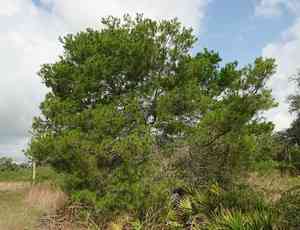
Sand pine, also known as the sand pine, is accustomed to the sandy soils of its native regions. This robust plant flourishes in well-drained sandy soils and originates from the southeastern United States. Its capacity to adapt to poor, arid soils makes it an excellent option for xeriscaping and other water-efficient landscape designs. The Sand pine's natural habitat includes scrub and coastal areas, where it helps stabilize soil and offers a home for local wildlife. Incorporating Sand pine into landscaped areas can replicate these natural settings, fostering biodiversity and ecological equilibrium.
Advantages of Integrating Sand Pine into Landscape Design
Incorporating Sand pine into your landscape design provides several advantages. Its drought tolerance makes it an ideal plant for regions with water restrictions, reducing the need for irrigation. Sand pine also aids in preventing soil erosion due to its deep root system, which anchors the soil. This plant's evergreen needles offer year-round foliage, enhancing visual appeal throughout all seasons. Furthermore, Sand pine can function as a windbreak or privacy screen, offering shelter and seclusion in both urban and rural environments. Its adaptability and minimal maintenance requirements make it a valuable asset for sustainable landscaping projects.
Designing with Sand Pine: Key Considerations
How to Evaluate Your Landscape Area for Sand Pine Planting
Before planting Sand pine, it's crucial to carefully assess your landscape area. Begin by understanding your soil type, as Sand pine thrives best in sandy, well-drained soils. Consider the size of the space; Sand pine can reach up to 50 feet tall, so allow ample room for its full development. Check the sun exposure in your areaâSand pine prefers full sun to partial shade, ensuring optimal growth. It's also vital to analyze existing landscape features and how Sand pine will complement or enhance them. Avoid planting Sand pine too close to structures or over utilities, as its root system can be extensive. By conducting a thorough evaluation, you'll be better prepared to integrate Sand pine effectively into your landscape.
Choosing Companion Plants to Pair with Sand Pine
Creating a harmonious landscape involves selecting plants that complement Sand pine effectively. Since Sand pine is drought-resistant, pairing it with other xerophytic plants can create a cohesive and low-maintenance garden. Consider integrating plants like cacti, succulents, and native grasses, which share similar water and soil requirements. Ornamental grasses can add texture and movement, while flowering perennials such as lavender or salvia can provide a burst of color against the green of Sand pine. Additionally, incorporating ground covers like creeping thyme or sedum can help fill in gaps and reduce soil erosion, making the landscape more resilient. By choosing complementary plants, you create a balanced and visually appealing outdoor space.
Maintaining Sand Pine's Aesthetic Appeal
Seasonal Care Tips for Landscape Aesthetics
Maintaining the aesthetic appeal of Sand pine throughout the year involves some seasonal care. During spring, inspect for any winter damage and prune as needed to encourage healthy growth. In summer, although Sand pine is drought-resistant, occasional deep watering can help it endure extreme heat. Fall is an excellent time to mulch around the base to retain moisture and regulate soil temperature. Despite its evergreen nature, occasional needle drop is normalâremove these to keep the landscape tidy. Winter care is minimal; ensure good drainage to prevent root rot. Regular seasonal care ensures Sand pine not only survives but thrives, maintaining its beauty all year long.
Addressing Common Challenges in Growing Sand Pine
While Sand pine is relatively low maintenance, it can still encounter certain challenges. Pests like pine bark beetles can pose a threat; regular inspection and proper tree care can mitigate this risk. Fungal diseases such as needle cast can affect Sand pine, so ensure good airflow and avoid overhead watering to reduce humidity around the plant. Poor soil drainage can lead to root rot, so itâs crucial to plant Sand pine in well-drained soils and avoid waterlogged conditions. If signs of stress or disease appear, consulting a local extension service or arborist can provide specialized advice. By proactively managing these challenges, Sand pine can remain a robust and attractive component of your landscape.
Creative Landscape Applications of Sand Pine
Case Studies of Successful Sand Pine Landscape Projects
Numerous landscape projects have successfully incorporated Sand pine, demonstrating its versatility and appeal. In a coastal community, Sand pine was utilized to stabilize dunes while providing privacy between properties. Another project in a suburban area employed Sand pine as a windbreak and visual barrier, enhancing the garden's aesthetics while reducing wind impact. In a public park, Sand pine was planted alongside native wildflowers, creating a low-maintenance and ecologically rich environment. These case studies illustrate the diverse applications of Sand pine in various settings, highlighting its effectiveness in both functional and decorative roles.
Innovative Design Concepts Using Sand Pine
Innovative design concepts can make Sand pine a prominent feature in any landscape. Consider creating a themed garden with Sand pine at its core, surrounded by native plants and rustic elements like wooden benches and pathways. Use Sand pine in a rock garden, combining it with boulders and succulents for a striking xeriscape. Planting Sand pine in groves can create a forested ambiance while providing habitat for wildlife. Another creative idea is to use Sand pine in large container gardens, making it mobile and adaptable to different garden areas. By thinking creatively, you can utilize Sand pine in ways that are both functional and visually captivating.
Conclusion: Maximizing Sand Pine's Potential in Landscaping
Summary of Key Points on Using Sand Pine in Design
To summarize, Sand pine offers a range of benefits for landscape design, from its drought resistance and low maintenance needs to its ability to prevent soil erosion and provide year-round greenery. Assessing your landscape space, pairing Sand pine with complementary plants, and ensuring seasonal care can maximize its aesthetic appeal. Addressing common growing challenges and exploring creative design ideas further enhances its role in your landscape.
Final Thoughts on Integrating Sand Pine's Features into Your Outdoor Space
Sand pine is a versatile and valuable addition to any landscape design. Its ability to thrive in sandy, well-drained soils and its minimal care requirements make it a practical choice for sustainable gardening. By thoughtfully integrating Sand pine into your outdoor space, you can create a beautiful, resilient, and ecologically balanced environment. Whether used as a focal point, a windbreak, or part of a larger planting scheme, Sand pine can significantly enhance the beauty and functionality of your landscape.



