Enhancing Your Garden Design with the Pinyon pine Plant: A Landscaping Guide
1
Pinyon pine demonstrates great versatility across different soil compositions and environments.
2
Incorporating Pinyon pine into your landscape design can aid in reducing water usage.
3
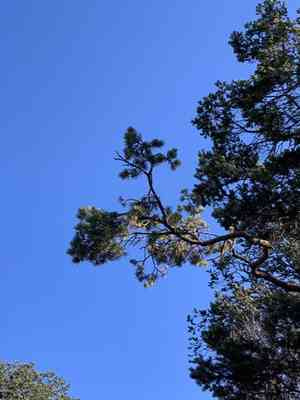
Pinyon pine offers visual attractiveness year-round.
Pinyon Pine in Landscape Design: An Overview
Appreciating the visual charm of Pinyon pine
For enhancing your landscape's aesthetic appeal, Pinyon pine is a prime selection. Its distinct needle-like leaves and textured bark provide a natural, rustic feel, transforming any garden into a peaceful sanctuary. The subtle green tones and the tree's compact form make it ideal for both expansive and confined gardens. Envision the calm of a garden filled with the gentle rustling of Pinyon pine in the breeze, creating a soothing backdrop for your outdoor area.
Pinyon pine's native environment and its adaptability for landscaping
Pinyon pine originates from arid regions, making it remarkably versatile and robust in diverse landscaping settings. Whether your soil is rocky, or you have sloped or flat ground, Pinyon pine adapts easily. Its tough nature allows it to flourish in less-than-ideal soil conditions, making it a dependable choice for gardeners seeking low-maintenance yet visually appealing plants for their landscapes. This adaptability is key to its success in various gardening situations.
Integrating Pinyon Pine into Your Garden Plan
Selecting the optimal spot for Pinyon pine in your garden
Choosing the ideal location for Pinyon pine in your garden is vital for its development and visual impact. Ideally, Pinyon pine should be planted in an area receiving ample sunlight and having well-draining soil. Locations with partial shade can also support its growth, but ensuring sufficient sunlight is crucial. Consider placing it where its beauty can be admired and where it can thrive without obstruction.
Guidelines for planting Pinyon pine for peak growth and appearance
To successfully plant Pinyon pine, dig a hole twice the root ball's width but no deeper than its height. Ensure the root ball is level with the ground surface to aid proper root establishment. Water thoroughly after planting and apply mulch around the base to retain moisture and suppress weeds. Consistent watering during the initial year assists root development; afterward, Pinyon pine is relatively drought-tolerant, requiring minimal intervention.
Pairing Pinyon pine with other plants: Harmonious planting suggestions
Pinyon pine complements various shrubs, perennials, and groundcovers beautifully. Consider pairing it with lavender, sage, or ornamental grasses to create a visually cohesive and low-maintenance garden. These plants share similar water needs and thrive in comparable soil conditions, making them perfect companions. The contrasting textures and colors will add depth and interest to your landscape design, highlighting Pinyon pine's unique characteristics.
Utilizing Pinyon Pine for Seasonal Landscaping
How Pinyon pine transforms throughout the year
Pinyon pine offers year-round attractiveness, making it a valuable addition to any landscape. In spring, new growth emerges as soft, bright green shoots, gradually maturing into the rich, darker green needles typical of established foliage. During winter, Pinyon pine retains its needles, providing structure and color to an otherwise stark landscape. This seasonal change ensures your garden remains engaging and vibrant all year.
Preparing your Pinyon pine for seasonal transitions
As seasons shift, it's essential to prepare Pinyon pine to ensure its longevity and health. In autumn, clear any fallen needles and debris from around the base to prevent rot and disease. Apply a fresh layer of mulch to shield the roots from extreme temperatures. In spring, prune any dead or damaged branches to maintain its shape and encourage new growth. These simple steps can help your Pinyon pine flourish across seasons and keep your garden looking its best.
Sustainability and Pinyon Pine: Eco-Friendly Landscaping
The environmental advantages of incorporating Pinyon pine into your landscape
Integrating Pinyon pine into your landscape offers numerous environmental benefits. Its deep root system helps prevent soil erosion, especially on slopes and in areas prone to heavy rainfall. Additionally, Pinyon pine acts as a natural windbreak, reducing wind speeds and protecting other plants in your garden. By including Pinyon pine, you contribute to creating a more sustainable and resilient garden ecosystem.
Water conservation and care tips for an eco-conscious Pinyon pine landscape
Pinyon pine is well-suited for water-efficient gardening, requiring minimal irrigation once established. To further enhance water conservation, install a drip irrigation system that delivers water directly to the roots, minimizing waste. During dry spells, prioritize watering Pinyon pine early in the morning or late in the evening to reduce evaporation. These tips will help you maintain an eco-friendly garden while ensuring Pinyon pine remains healthy and vibrant.



