Enhancing Your Garden Design with the Austrian pine Plant: A Landscaping Guide
1
Establishing Austrian pine can greatly enhance atmospheric purity and secure the ground.
2
Austrian pine offers a superb dwelling for diverse animal life.
3
The visual charm of Austrian pine renders it a adaptable selection in garden planning.
Visual Impact of Austrian Pine: An Overview
Appreciating the aesthetic contribution of Austrian pine in garden design
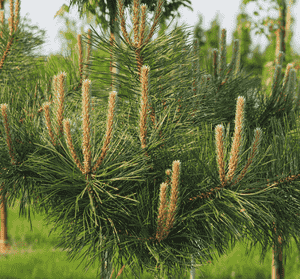
When considering enhancements for your landscape, the distinct visual quality of Austrian pine is an invaluable asset. This evergreen's rich, dark green needles and robust, rugged appearance introduce a sense of enduring sophistication to any garden. Its inherent beauty establishes it as a focal point, drawing attention and adding depth and dimension to your outdoor area.
Examining the dimensions and structure of Austrian pine
Austrian pine is recognized for its impressive scale and form, making it both a dominant and elegant feature in any landscape. Mature specimens can reach heights of up to 60 feet, with a spread potentially exceeding 20 feet, offering ample shade and a majestic canopy. The youthful pyramidal shape of Austrian pine gradually widens with age, allowing you to observe a dynamic evolution in your garden's scenery over time.
Optimal Placement of Austrian Pine in Landscape Planning
Identifying prime locations for planting Austrian pine for maximum effect
To maximize the impact of Austrian pine in your landscape scheme, thoughtful positioning is essential. Consider placing it as a central feature in your garden or as a natural windbreak along your property's edge. Its strong, upright habit makes it an excellent option for establishing a natural privacy screen, offering both beauty and utility.
Balancing light exposure and spatial requirements
For Austrian pine to flourish, it needs abundant sunlight and adequate space. Ensure the chosen site receives full sun for at least six hours daily. Prevent overcrowding by planting trees at least 20 feet apart to avoid competition for nutrients and encourage robust growth. Proper spacing also ensures sufficient air circulation, minimizing disease risk.
Integrating Austrian Pine with Other Plant Species
Selecting companion plants that thrive alongside Austrian pine
Pairing Austrian pine with suitable companion plants can create a cohesive and visually pleasing garden. Consider understory plants such as shade-tolerant shrubs and ground covers that prosper in the filtered light beneath Austrian pine. Ferns, hostas, and azaleas are excellent choices that complement the towering structure of Austrian pine while adding layers of texture and color.
Color and texture considerations for harmonious planting schemes
Incorporate a variety of hues and textures to enhance your landscape's visual appeal. The deep green needles of Austrian pine offer a striking contrast against the lighter foliage of neighboring plants. Utilize ornamental grasses and perennials with diverse leaf shapes and colors to forge a dynamic and aesthetically pleasing garden. Arrange plants in odd numbers for a more natural and balanced appearance.
Long-Term Development and Upkeep of Austrian Pine
Forecasting the growth trajectory of Austrian pine and planning accordingly
Understanding the long-term growth pattern of Austrian pine is crucial for effective landscape design. Anticipate the mature size of the tree to ensure it fits well within your garden space without causing congestion or obstructing views. Regular pruning in its early years can shape the tree and foster a more desirable form, while also removing any dead or diseased branches.
Seasonal care advice to maintain the vitality of Austrian pine
Maintaining the health of Austrian pine involves seasonal care practices. Water young trees consistently until they are established, especially during dry spells. Mulching around the base helps retain moisture and suppress weeds. In autumn, clear away fallen needles to prevent disease. Fertilize in spring with a balanced slow-release product to support vigorous growth.
Ecological Advantages of Incorporating Austrian Pine into Your Garden
Exploring improvements in air quality and soil stability
Planting Austrian pine contributes to better air quality by absorbing pollutants and releasing oxygen. Its strong root system helps stabilize soil, reducing erosion and fostering healthier garden ecosystems. This environmental benefit is particularly valuable in areas prone to soil degradation or erosion.
Attracting wildlife and creating habitats with Austrian pine
Austrian pine offers a valuable habitat for various wildlife species, drawing in birds, insects, and small mammals. Its dense foliage provides shelter and nesting sites, while its seeds serve as a food source for birds and squirrels. By including Austrian pine in your garden, you are supporting biodiversity and cultivating a vibrant and flourishing natural environment.



