Enhancing Your Garden Design with the Japanese white pine Plant: A Landscaping Guide
1
Japanese white pine flourishes in adequately drained, acidic ground, preferring full sun to some shade.
2
This adaptable plant is suitable as a central feature or an accompanying component in diverse garden designs.
3
Consistent care, such as trimming and fertilizing, guarantees the enduring vitality and aesthetic appeal of Japanese white pine.
Introducing Japanese white pine: A Perfect Fit for Modern Landscaping
Understand the visual impact of Japanese white pine in a landscape setting
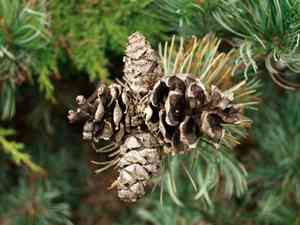
Japanese white pine is renowned for its distinctive and appealing look. Its unique, twisted needles and compact form make it a delightful sight in any garden. The bluish-green foliage adds a touch of calm, while its overall structure provides a sense of balance and harmony. Incorporating Japanese white pine into your landscape can create a focal point that captures attention and fosters a peaceful atmosphere.
Highlight the versatility of Japanese white pine in different landscape styles
Japanese white pine is highly adaptable and can seamlessly integrate into various garden designs, from traditional Japanese zen gardens to more contemporary settings. Its flexibility in form makes it suitable for use as a bonsai, a standalone specimen, or even as part of a mixed border. Whether you prefer a minimalist aesthetic or a lush, diverse garden, Japanese white pine can enhance the overall design and thematic consistency of your landscape.
Choosing the Right Location for Japanese white pine in Your Garden
Consider the sunlight requirements for optimal growth
To ensure Japanese white pine flourishes, it's essential to plant it in an area with sufficient sunlight. Ideally, it should receive full sun to partial shade. Full sun exposure will encourage robust growth and enhance the evergreen foliage, whereas partial shade can help maintain moisture levels in warmer climates. Assessing the sunlight patterns in your garden will help you determine the best spot for planting Japanese white pine.
Account for the growth pattern and space needs of Japanese white pine
When planting Japanese white pine, consider its growth habit and spatial requirements. Over time, this plant can become quite large, reaching heights of up to 40 feet. Ensure you allocate ample space for its mature size to prevent overcrowding. Additionally, consider the plant's spread to avoid interference with other garden elements and structures. Thoughtful placement will contribute to a harmonious garden layout.
Complementary Plants and Design Ideas with Japanese white pine
Explore pairing options for Japanese white pine with other plants
Japanese white pine pairs exceptionally well with other plants that complement its texture and color. Consider combining it with shrubs like azaleas or camellias, which share similar soil and moisture preferences. Ornamental grasses and ground covers can enhance the visual appeal and provide a contrasting texture that highlights Japanese white pine's unique structure. Experimenting with different combinations can result in a visually captivating and cohesive garden design.
Creative design tips for integrating Japanese white pine into existing gardens
Integrating Japanese white pine into an existing garden requires a thoughtful approach. Use it as a focal point in a rock garden or position it at the end of a winding pathway to draw attention. Placing Japanese white pine near water features, such as ponds or fountains, can enhance its natural elegance. If your garden has an established theme, ensure that Japanese white pine's placement and pairing align with the existing plants and design elements to maintain visual consistency.
Seasonal Considerations: Maximizing the Year-Round Beauty of Japanese white pine
Discuss the seasonal changes in appearance of Japanese white pine
Japanese white pine undergoes subtle yet beautiful changes throughout the seasons. In spring, new growth appears as bright, soft needles that gradually mature into a deeper green. During the winter months, its sturdy structure and evergreen foliage provide a striking contrast against the bare branches of deciduous plants. Understanding these seasonal dynamics allows you to appreciate and plan for the year-round visual impact of Japanese white pine.
Strategies to maintain visual interest during different seasons
To ensure your garden remains visually appealing all year, incorporate plants that complement Japanese white pine's seasonal appearance. In spring and summer, flowering perennials and annuals can add color and vibrancy. In autumn, deciduous trees and shrubs with striking fall colors can provide a warm backdrop. Winter interest can be maintained with evergreen ground covers and shrubs. These strategies will help you create a dynamic and engaging landscape that highlights Japanese white pine's beauty in every season.
Maintaining Japanese white pine: Tips for Long-Term Health and Aesthetics
General guidelines for maintaining the health of Japanese white pine
Maintaining Japanese white pine involves regular care to keep it healthy and vibrant. Water the plant deeply but infrequently, allowing the soil to dry out between waterings. Mulch around the base to retain moisture and regulate soil temperature. Provide balanced fertilizer in the spring to support growth, and ensure good air circulation around the plant to prevent disease. Regularly check for pests and treat promptly if needed.
Avoiding common pitfalls in caring for Japanese white pine
Avoid common pitfalls such as overwatering, which can lead to root rot, and underestimation of the plant's mature size, which can result in overcrowding. Prune sparingly to maintain its natural shape and remove dead or damaged branches. Be mindful of the soil pH, as Japanese white pine prefers acidic conditions. By understanding these common issues and addressing them proactively, you can ensure Japanese white pine remains a beautiful and healthy addition to your garden.



