Enhancing Your Garden Design with the Scots pine Plant: A Landscaping Guide
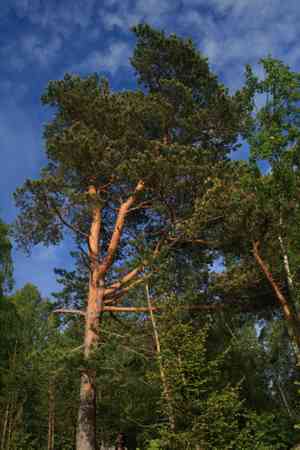
1
Pinus sylvestris tolerates severe weather well, making it a dependable selection for diverse environments.
2
Its minimal upkeep needs position Scots pine as a perfect pick for time-constrained horticulturists.
3
Scots pine fits into various garden aesthetics, ranging from classic to contemporary layouts.
Optimal Practices for Cultivating and Placing Scots Pine
Selecting the Ideal Site
Choosing the correct spot for Scots pine is vital for its prosperity in your garden. Ideally, pick a location that offers ample room for the tree to achieve its full height and width. Evaluate the soil conditions, ensuring it drains well, as Scots pine struggles in waterlogged areas. Furthermore, consider the tree's mature dimensions and avoid planting it too near structures, power lines, or other obstacles. Proper site selection guarantees healthy growth and prevents future maintenance issues.
Assessing Sunlight and Shade Needs
Scots pine thrives in full sun but can also endure partial shade. When positioning Scots pine in your garden, aim for a spot receiving at least 4-6 hours of direct sunlight daily. This promotes strong development and vibrant foliage. While it tolerates some shade, extended periods of low light may lead to slower growth and a less robust appearance. Balancing light requirements ensures Scots pine remains healthy and visually pleasing year-round.
Spacing and Arrangement Methods
Appropriate spacing and grouping are crucial for integrating Scots pine into your landscape. When planting multiple Scots pine trees, allow sufficient distance between each to accommodate their mature size and prevent overcrowding. Typically, a spacing of 12-20 feet is advised, depending on specific landscape goals and design. Additionally, consider grouping Scots pine with compatible plants that share similar light and water needs. This approach not only enhances visual appeal but also fosters a harmonious growing environment for all plants.
Combining Scots Pine with Other Flora
Complementary Shrubs and Perennials
Pairing Scots pine with suitable shrubs and perennials can greatly improve the overall landscape. Consider planting evergreen shrubs, such as boxwoods or hollies, to create a unified and aesthetically pleasing combination. Perennials like hostas, daylilies, or ornamental grasses can add extra texture and color. These plants not only look good alongside Scots pine but also share similar care needs, making them easy to maintain as part of a cohesive garden design.
Creating Color and Texture Contrast
Introducing contrast in your landscape is essential for a dynamic and engaging garden. With Scots pine as a central element, you can add color and textural variety by incorporating plants with diverse foliage colors, shapes, and sizes. For instance, pairing Scots pine with plants featuring variegated leaves or vibrant flower blooms can break up green tones and add visual interest. Additionally, integrating plants with different textures, such as spiky grasses or soft ferns, can enhance the garden's tactile dimension.
Tips for Harmonious Plant Combinations
Achieving harmonious plant pairings with Scots pine requires careful planning and consideration of each plant's growth habits and environmental needs. Select companion plants that flourish in similar soil conditions and light levels to ensure compatibility. Furthermore, think about seasonal changes and how each plant will appear throughout the year. A well-balanced mix of evergreens, perennials, and annuals can provide continuous interest and beauty. By following these tips, you can create a cohesive and thriving garden that highlights Scots pine's best features.
Seasonal Considerations for Scots Pine
Year-Round Aesthetic Appeal
Scots pine offers continuous visual interest, making it a valuable addition to any landscape. Its evergreen foliage ensures your garden remains vibrant and colorful even during winter. Throughout the seasons, Scots pine's appearance may subtly change, with new growth in spring and a more subdued look in autumn. This constant presence provides a stable and attractive backdrop for seasonal plants and flowers, helping maintain a cohesive and engaging garden throughout the year.
Maintaining Seasonal Aesthetic Appeal
To preserve Scots pine's aesthetic appeal across seasons, consistent maintenance is crucial. Pruning dead or damaged branches helps keep the tree tidy and healthy. Additionally, occasional feeding with a balanced fertilizer can promote vigorous growth and vibrant foliage. Removing fallen needles and debris from around the tree's base can also prevent pests and diseases. By attending to these tasks, you can ensure Scots pine remains an attractive and integral part of your landscape year-round.
Winter Presence and Influence
In winter, Scots pine stands out as a prominent landscape feature. Its sturdy branches and lush needles offer a striking contrast against the often barren winter garden. Scots pine's winter presence is not only visually appealing but also functional, providing shelter for wildlife and adding structure to your garden. When snow settles on its branches, Scots pine transforms into a picturesque element, enhancing the overall charm and serenity of the winter scenery.



