Enhancing Your Garden Design with the Virginia pine Plant: A Landscaping Guide
1
Virginia pine's distinct features render it a superb option for various landscape layouts.
2
Beyond its visual charm, Virginia pine offers practical advantages like preventing soil erosion.
3
Consistent care for Virginia pine can greatly boost your landscape's appearance and vitality.
Introducing Virginia Pine in Landscape Design
Key characteristics of Virginia pine for landscaping purposes
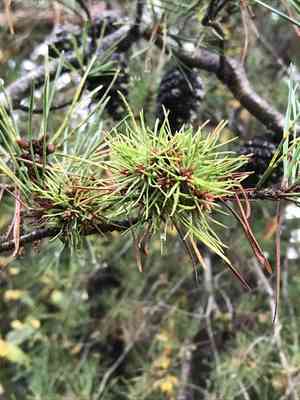
When considering Virginia pine for your landscape, understanding its core attributes is crucial. This species is remarkably adaptable, thriving in diverse soil types, which makes it highly versatile. Its needles are short and twisted, providing a distinct texture, while its bark displays a unique reddish-brown tone that adds color contrast to your outdoor space. Furthermore, Virginia pine exhibits a conical form in its youth, evolving into a more irregular shape as it matures, offering dynamic visual appeal over time.
Advantages of incorporating Virginia pine into your garden or yard
Opting for Virginia pine in your landscape offers several benefits. Firstly, it's a resilient tree capable of enduring harsh conditions, including poor soil and drought, making it an excellent choice for less fertile areas. Secondly, its dense foliage provides effective windbreaks and privacy screens. Additionally, Virginia pine serves as a habitat for birds and wildlife, fostering biodiversity in your garden. Its ability to prevent soil erosion and its minimal care requirements further enhance its appeal for both new and experienced gardeners.
Designing with Virginia Pine: Optimal Placement
Best locations for Virginia pine in various landscape settings
Thoughtful placement of Virginia pine can transform an ordinary garden into an engaging landscape. In expansive, open areas, a single Virginia pine can serve as a magnificent centerpiece. For suburban gardens, planting multiple Virginia pines in a row creates a natural barrier, offering privacy and reducing noise. Moreover, Virginia pine can be situated in rock gardens or on slopes to stabilize the soil and add structure. Its adaptable nature allows it to complement both formal and informal garden styles, whether as a solitary specimen or as part of a mixed border.
Methods to blend Virginia pine with other plants for visual harmony
Integrating Virginia pine with other plants in your landscape involves achieving visual balance through careful pairings. Combining Virginia pine with evergreen shrubs and deciduous trees can provide year-round interest. Ground covers and perennials with contrasting textures or complementary colors, such as ferns and hostas, thrive beneath the Virginia pine's canopy. Additionally, flowering plants with staggered bloom times ensure continuous visual appeal. Balance the vertical presence of Virginia pine with horizontal elements like stone pathways or water features to enhance the overall aesthetic.
Seasonal Aspects of Virginia Pine
What to expect from Virginia pine throughout the year
Virginia pine showcases varying degrees of beauty across the seasons. In spring, new growth emerges on its branches, adding a vibrant green hue to your garden. Summer brings thick, lush foliage that provides ample shade. As autumn arrives, while Virginia pine remains evergreen, surrounding deciduous plants may offer dramatic color contrasts. During winter, the tree's robust structure stands out against a snowy backdrop, maintaining visual interest when many other plants are dormant. These seasonal shifts make Virginia pine a consistent yet evolving element in your landscape.
Adapting your landscape design to Virginia pine's seasonal changes
To maximize Virginia pine's visual impact throughout the year, consider companion plants that thrive in different seasons. Spring-blooming bulbs like daffodils and tulips provide early interest. Summer perennials, such as daylilies or hydrangeas, complement the mid-year vitality of Virginia pine. In the fall, ornamental grasses and asters can enhance the landscape. Winter-hardy plants like hellebores keep the garden vibrant even in colder months. By adjusting your landscape design to these seasonal changes, you create an attractive and inviting garden year-round.
Maintaining the Aesthetic Appeal of Virginia Pine
Essential care tips for Virginia pine to preserve its beauty
Caring for Virginia pine is relatively straightforward. Consistent watering, especially during dry periods, helps maintain its health. Mulching around the base can conserve moisture and deter weeds. Pruning is vital for removing dead or diseased branches, which also promotes a denser growth habit. Fertilizing in early spring with a balanced fertilizer supports vigorous growth. Additionally, regular checks for pests and diseases ensure that any issues are promptly addressed. These simple care routines will maintain the natural beauty and health of your Virginia pine.
How consistent upkeep influences Virginia pine's overall appearance
Regular maintenance is crucial for the overall appeal of Virginia pine. Consistent care not only keeps the tree looking its best but also enhances its structural integrity and longevity. A well-maintained Virginia pine becomes a strong focal point in your landscape, offering stability and beauty. Neglect, conversely, can lead to unattractive growth, diminished health, and increased vulnerability to pests and diseases. By investing a little time and effort into regular maintenance, you ensure that your Virginia pine remains a stunning and enduring feature of your garden.



