Enhancing Your Garden Design with the Chinese pistache Plant: A Landscaping Guide
1
Selecting an appropriate location for Chinese pistache is crucial for its development and aesthetic impact.
2
Chinese pistache offers spectacular seasonal hues to your outdoor space.
3
Adding Chinese pistache to your yard can increase property worth and promote eco-friendly methods.
Introducing Chinese Pistache to Your Landscape
A quick look at the growing popularity of Chinese pistache in today's gardens
In recent years, Chinese pistache has become increasingly popular in modern landscape design. Gardeners and designers value its hardiness, adaptability, and striking appearance. Known for its vibrant autumn colors and overall resilience, Chinese pistache is an excellent choice for enhancing any outdoor area. It offers beauty year-round and requires relatively little care, making it a favorite for busy homeowners.
Understanding the visual appeal of Chinese pistache
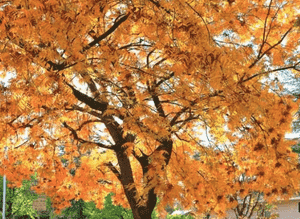
Chinese pistache offers a unique visual charm that can transform any garden or yard into a beautiful sanctuary. With lush green leaves that turn brilliant shades of red, orange, and gold in the fall, this plant provides a dynamic visual experience. Its balanced, rounded canopy offers a symmetrical look that suits various landscape styles, from modern minimalist to classic and ornate. Its ability to thrive in both urban and rural settings further boosts its widespread appeal.
The role of Chinese pistache in sustainable gardening practices
Sustainability is a key concern for many gardeners, and Chinese pistache significantly contributes to eco-friendly landscaping. Its drought tolerance reduces the need for excessive watering, conserving precious resources. Furthermore, this plant helps prevent soil erosion and offers a home for local wildlife. Incorporating Chinese pistache into your landscape supports biodiversity and promotes a healthier environment, aligning with global efforts to create more sustainable green spaces.
Selecting the Best Spot for Chinese Pistache
Key considerations when choosing a planting location
Selecting the right location for planting Chinese pistache is vital for its health and longevity. Consider the soil type, as Chinese pistache thrives best in well-drained soil. Also, keep in mind the plant's mature size to ensure it has ample room to grow without obstruction. Accessibility for future maintenance and the overall design of your landscape are other crucial factors. A well-chosen spot will enhance both the visual impact and the growth of Chinese pistache.
How sunlight exposure impacts Chinese pistache's growth and vitality
Chinese pistache needs full sun to partial shade for optimal growth. Typically, six hours of direct sunlight daily will promote strong development and vivid leaf coloration. While it can tolerate some shade, insufficient sun exposure can lead to less intense fall colors and slower growth. Therefore, ensure you plant Chinese pistache in a location where it receives plenty of natural light throughout the day.
Tips for spacing and placement to maximize landscape impact
Proper spacing is crucial when adding Chinese pistache to your landscape. Planting them too close can hinder air circulation and sunlight penetration, increasing disease susceptibility. For a more dramatic and balanced effect, position Chinese pistache as a central feature, perhaps as a single specimen tree or in a small cluster with generous spacing of at least 20-30 feet apart. This approach ensures healthy growth and maximizes the tree's visual presence in your garden.
Integrating Chinese Pistache into Your Garden Design
Design concepts for using Chinese pistache as a central feature
Chinese pistache can serve as a stunning focal point in your landscape design. Its vibrant colors and attractive structure can draw attention and add visual interest to your garden. Consider placing Chinese pistache near patios or along pathways to create picturesque views. Layering it with plants of different heights and textures can further enhance its focal impact, making your garden more engaging and visually appealing.
Companion plants that complement Chinese pistache well
Pairing Chinese pistache with suitable companion plants can create a harmonious and flourishing landscape. Consider plants like ornamental grasses, perennials, and shrubs that thrive in similar soil and sunlight conditions. Plants such as lavender, salvia, or even evergreen bushes can provide contrasting colors and textures, improving the overall aesthetics and ecological balance of your garden.
Achieving balance and cohesion with Chinese pistache in your garden
Creating balance and harmony with Chinese pistache involves thoughtful placement and complementary planting. Integrate Chinese pistache with plants of varying heights and forms to create depth and layers within your landscape. Avoid overcrowding and maintain a consistent color palette to ensure Chinese pistache remains the highlight. Strategic use of garden elements like pathways, garden beds, and water features can also enhance the seamless integration of Chinese pistache into your overall landscape design.
Seasonal Considerations for Chinese Pistache
What to anticipate from Chinese pistache during different seasons
Throughout the year, Chinese pistache offers a dynamic and ever-changing visual display. In spring and summer, expect lush green foliage that provides ample shade and a peaceful backdrop. In fall, Chinese pistache transforms into a spectacle of brilliant reds, oranges, and yellows. In winter, its bare branches add architectural interest and provide a stark, elegant contrast against the winter sky. Each season reveals a new aspect of Chinese pistache's charm, keeping your landscape visually stimulating year-round.
Adjusting your landscape care to seasonal changes
Seasonal maintenance for Chinese pistache ensures its health and enhances its beauty. In spring, focus on pruning and fertilizing the tree to encourage new growth. Summer requires consistent watering, especially during dry spells, to maintain its lush foliage. Fall is the ideal time to mulch and protect the tree's roots in preparation for winter. Winter care involves checking for any signs of cold damage and providing necessary support to young trees. Adapting your maintenance routine to the seasons will keep Chinese pistache thriving throughout the year.
Preparation tips for weather shifts and their impact on Chinese pistache
Weather changes can affect Chinese pistache's health and appearance, so it's crucial to prepare accordingly. During extreme heat, ensure Chinese pistache receives sufficient water and consider using shade cloths for protection. For winter, apply a mulch layer to insulate the roots and prevent frost damage. Wind protection is also important; consider windbreaks or strategic planting locations to shield Chinese pistache from strong gusts. Proper preparation for weather variations will help maintain Chinese pistache's robustness and beauty.
Long-Term Advantages of Including Chinese Pistache in Your Landscape
Increasing property value with mature Chinese pistache
A mature Chinese pistache can significantly boost property value by adding to the landscape's appeal and attractiveness. Potential buyers are often drawn to properties with well-maintained, aesthetically pleasing gardens, and a mature Chinese pistache offers a distinct and desirable feature. Its impressive size and colorful foliage can create a lasting first impression, making your property stand out in the real estate market.
Environmental benefits of planting Chinese pistache
Chinese pistache offers numerous environmental advantages that contribute to a healthier ecosystem. Its deep roots help prevent soil erosion, while its foliage improves air quality by filtering pollutants. Additionally, Chinese pistache provides a habitat for various species of birds and insects, promoting biodiversity. By including Chinese pistache in your landscape, you're supporting environmental sustainability and enhancing the ecological balance of your garden.
The lasting beauty and low maintenance of Chinese pistache
One of the key benefits of Chinese pistache is its enduring beauty combined with minimal maintenance needs. Once established, Chinese pistache is remarkably resilient, requiring only basic care such as occasional pruning and watering during extended dry periods. Its seasonal display of colors and structural elegance ensures it remains an appealing feature in your landscape for years, offering lasting beauty without demanding extensive upkeep.



