Enhancing Your Garden Design with the American sycamore Plant: A Landscaping Guide
1
The American sycamore flourishes in diverse soil conditions, offering adaptability for various environments.
2
Given appropriate attention, the American sycamore can become a durable centerpiece in your outdoor space.
3
Incorporating American sycamore alongside other flora can result in an aesthetically pleasing and environmentally sound garden.
Introducing American Sycamore to Your Landscape
The visual impact of American sycamore on large landscapes
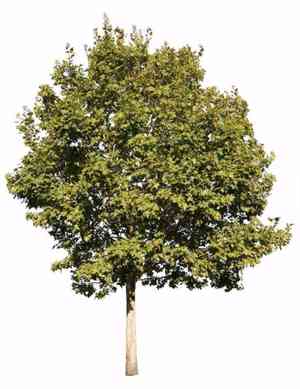
American sycamore makes a grand statement in any spacious yard or park, blending beauty with majesty. Its impressive height and wide canopy create a striking visual anchor, making it the central feature of your landscape design. The tree's large leaves form a rich, green backdrop during the growing season, while its rugged, multi-hued bark adds year-round textural interest. Furthermore, the presence of American sycamore can break up expansive open areas, adding vertical dimension and depth to the scenery.
Understanding the growth pattern of American sycamore
Grasping how American sycamore develops is vital for its integration into your landscape. American sycamore is known for its rapid growth, reaching considerable heights within a few years. It forms a broad, rounded crown, offering ample shade. The tree's root system is extensive yet relatively non-invasive compared to other large trees, making it suitable for various landscaping needs. Understanding these growth habits helps you plan for its future size and ensures it fits its designated area.
Selecting the Optimal Site for American Sycamore
Assessing sunlight and soil requirements
American sycamore thrives best in full sun to partial shade, accommodating diverse light conditions in your yard. It adapts to various soil types, including clay, loam, and sandy soils, but prefers well-drained locations. Testing your soil's pH level, ideally neutral to slightly acidic, can enhance American sycamore's growth and health. Ensuring these conditions are met will help the tree establish quickly and grow vigorously.
Space considerations for mature American sycamore
When planting American sycamore, it's crucial to consider the space it will occupy once fully grown. This tree can reach heights of 100 feet or more, with a spread of about 70 feet. Plant American sycamore where it has ample room to grow without interfering with structures, power lines, or other trees. Maintain sufficient distance from sidewalks and driveways to prevent future root intrusion. Planning ahead for these space needs will prevent overcrowding and ensure the tree flourishes.
Integrating American Sycamore with Other Plants
Complementary plants that thrive with American sycamore
Selecting plants that complement American sycamore can boost your landscape's aesthetic appeal and biodiversity. Shade-loving plants like hostas, ferns, and woodland flowers can flourish beneath American sycamore's canopy. You can also pair American sycamore with understory trees or shrubs such as dogwoods and azaleas, which can coexist harmoniously and create layered plantings. These combinations can foster a healthy ecosystem, enhance visual interest, and provide year-round color.
Design tips for a harmonious arrangement
Crafting a balanced and pleasing landscape with American sycamore requires strategic planning. Position smaller trees and shrubs around American sycamore's perimeter to frame its impressive form. Utilizing curved pathways or garden beds can guide the eye towards American sycamore, highlighting its role as the main attraction. Consider seasonal changes; planting a mix of evergreen and deciduous plants ensures visual interest throughout the year. Incorporating mulch around the base of American sycamore not only enhances its beauty but also promotes soil moisture retention and root health.
Seasonal Considerations for American Sycamore
What to expect during spring and summer
During spring, American sycamore bursts forth with lush, green foliage, providing shade and enhancing your outdoor space's visual appeal. This is also an ideal time to prune any dead or broken branches to encourage healthy growth. In the summer, American sycamore offers substantial shade, helping to cool the surrounding area and providing a comfortable escape from the heat. Regular watering during dry periods is essential to reduce stress and ensure continued growth through the warmest months.
Preparing American sycamore for fall and winter
As autumn approaches, American sycamore's leaves turn golden brown before falling, creating a stunning seasonal display. Preparing for winter involves mulching around the base to protect the roots from freezing temperatures. This season is also a good time to check for any potential pests or diseases and address them promptly. Ensuring American sycamore is well-watered before the ground freezes can help it endure the winter months, emerging strong and healthy in the spring.
Long-Term Benefits of Including American Sycamore in Your Landscape
Eco-friendly benefits of planting American sycamore
American sycamore offers numerous environmental advantages, making it an eco-conscious choice for your landscape. It provides habitat and sustenance for various wildlife, including birds and insects. The tree significantly aids in air purification by absorbing pollutants and releasing oxygen. Its extensive root system helps prevent soil erosion, and the shade it provides can lower energy costs by naturally cooling your home. Overall, planting American sycamore supports biodiversity and contributes to a healthier ecosystem.
How American sycamore increases property value
Incorporating American sycamore into your landscaping design can elevate your property's aesthetic appeal and market worth. Its majestic presence and the shade it offers can enhance your outdoor living space, making your property more inviting. Well-placed, mature trees like American sycamore are known to boost property values by up to 20%. Additionally, prospective buyers often view mature trees as a significant landscaping asset, contributing to a quicker sale and potentially higher selling price.



