Enhancing Your Garden Design with the Oriental arborvitae Plant: A Landscaping Guide
1
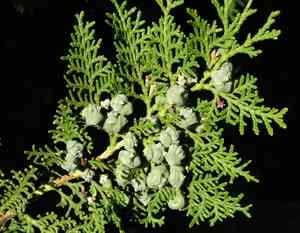
Oriental arborvitae, an evergreen, provides year-round foliage.
2
Placing Oriental arborvitae thoughtfully can establish striking garden highlights.
3
Adding Oriental arborvitae to your yard benefits local fauna and enhances air purity.
Introducing Oriental Arborvitae to Your Outdoor Space
Understanding the Growth Pattern of Oriental Arborvitae
Oriental arborvitae exhibits a distinct growth pattern, marked by its upright, columnar form that can achieve considerable heights. This plant's structure and adaptability make it an excellent option for producing striking visual effects in your garden. By comprehending how Oriental arborvitae developsâtypically in a slow, consistent mannerâyou can make informed decisions regarding its placement and impact.
Visual Impact: The Aesthetic Appeal of Oriental Arborvitae
The aesthetic charm of Oriental arborvitae stems from its rich, green foliage that retains its vibrancy throughout the year. The plant's texture and hue render it a versatile addition, suitable for various garden styles, from formal to more naturalistic designs. Its impressive presence can elevate the overall visual appeal of your outdoor area, offering both structural and decorative value.
Year-Round Beauty: Evergreen Characteristics of Oriental Arborvitae
One of the most appealing attributes of Oriental arborvitae is its evergreen nature, ensuring your garden remains vibrant even during colder months. Unlike deciduous plants, Oriental arborvitae's leaves do not shed seasonally, meaning you won't encounter the typical bare, stark winter garden. This evergreen quality is ideal for maintaining continuous visual interest and providing consistent refuge for wildlife all year.
Designing Your Garden with Oriental Arborvitae
Planning the Layout: Optimal Placement for Oriental Arborvitae
When planning your garden layout with Oriental arborvitae, consider the plant's mature height and width. If you intend for Oriental arborvitae to be a focal point, position it in areas where its full splendor can be appreciated, such as alongside paths, at the end of vistas, or in the center of larger garden beds. Ensure Oriental arborvitae receives ample sunlight and space to thrive without competition from other plants.
Pairing with Other Plants: Complementary Selections
Pairing Oriental arborvitae requires careful consideration to ensure a harmonious garden design. Think about combining it with plants that offer contrasting textures or colors. For instance, vibrant blooms like roses or perennials can highlight the deep green of Oriental arborvitae. Additionally, using plants that flower at different times will provide year-round appeal and distinct seasonal contrasts to Oriental arborvitae's consistent greenery.
Creating Focal Points with Oriental Arborvitae
Oriental arborvitae can be strategically positioned to establish natural focal points in your garden. This technique helps draw the eye and creates visually engaging spots that anchor the landscape design. Plant Oriental arborvitae at the core of a circular garden bed or at key junctures along garden pathways. This not only enhances the structural design but also brings a sense of balance and order to the overall garden arrangement.
Maintenance Guidelines for Oriental Arborvitae in Landscaping
Pruning Techniques for Form and Vitality
Pruning Oriental arborvitae is crucial for preserving its shape and health. Regular trimming helps manage growth, remove dead or diseased branches, and promotes denser foliage. The optimal time to prune Oriental arborvitae is in late winter or early spring before new growth commences. This allows you to easily shape your plant while encouraging robust, healthy new growth throughout the season.
Seasonal Care Requirements: Enhancing Vigor
To maximize the vitality of Oriental arborvitae, it's essential to provide consistent care across the seasons. In spring, apply a layer of organic mulch to help retain soil moisture and suppress weeds. During dry summer months, ensure Oriental arborvitae receives sufficient water, but avoid waterlogging. In autumn, fertilize your plant with a balanced, slow-release product to support health and growth in the coming year.
Utilizing Oriental Arborvitae for Privacy and Boundary Definition
Natural Barriers: Employing Oriental Arborvitae as a Living Screen
Oriental arborvitae is an excellent option for creating natural barriers in your garden. When planted in rows, it forms a dense, evergreen screen that offers privacy and conceals unattractive views. This living fence not only serves a practical purpose but also enhances the natural beauty of your garden, integrating seamlessly with your landscape instead of the starkness of artificial fencing.
Spacing and Planting for Optimal Seclusion
For maximum privacy using Oriental arborvitae, consider the distance between each plant. Typically, planting them approximately 3 to 6 feet apart will ensure they grow together to form a continuous screen. This spacing provides individual plants enough room to develop their full shape while ensuring they overlap sufficiently to create an effective barrier. Adjust the spacing based on the specific variety and growth habits of Oriental arborvitae.
Ecological Advantages of Incorporating Oriental Arborvitae in Your Garden
Supporting Local Wildlife
Oriental arborvitae plays a significant role in sustaining local wildlife. Its evergreen foliage offers year-round shelter for birds and small mammals, while its seeds can serve as a food source for various species. By integrating Oriental arborvitae into your landscape, you contribute to a healthy and balanced ecosystem, fostering biodiversity in your backyard.
Improving Air Quality
Including Oriental arborvitae in your garden can help enhance air quality. Like many evergreen plants, Oriental arborvitae absorbs carbon dioxide and releases oxygen, which can help reduce air pollution. Additionally, its dense foliage can trap dust and other airborne particles, contributing to cleaner, fresher air around your home.



