Enhancing Your Garden Design with the Mayapple Plant: A Landscaping Guide
1
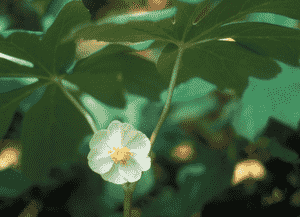
Mayapple flourishes in areas with partial to complete shade, perfect for forest-like settings.
2
Its distinctive leaves and seasonal transformations offer continuous appeal throughout the year.
3
Mayapple complements other plants that prefer shade, creating a harmonious garden aesthetic.
Mayapple's Role in Garden Design
Understanding Mayapple's contribution to garden aesthetics
Mayapple significantly impacts garden design due to its distinctive leaves and growth pattern. Whether aiming for a woodland feel or enhancing a shaded border, Mayapple provides a flexible option. Its broad, umbrella-like foliage forms a dense ground cover, offering a visual anchor and fostering a natural appearance.
Mayapple's unique visual appeal
A primary draw of Mayapple is its large, lobed leaves, which impart a tropical vibe to temperate gardens. The plant undergoes a captivating seasonal transformation, from emerging with tender, folded leaves in spring to showcasing bold green foliage that later shifts to bright yellow in fall. This seasonal progression introduces a dynamic element to the garden, ensuring it stays engaging and lively throughout the year.
Integrating Mayapple into Your Garden Plan
Optimal planting locations for Mayapple's visual impact
To maximize Mayapple's visual effect, select garden areas that receive partial to full shade. These plants prefer moist, well-drained soil rich in organic matter. Ideal spots include beneath deciduous trees or along shaded garden paths. When planted in groups, Mayapple creates an impressive ground cover that can help unite various garden elements into a cohesive whole.
Companion plants that complement Mayapple
To enhance Mayapple's aesthetic, consider pairing it with other shade-loving plants. Hostas, ferns, and astilbes are excellent companions, adding diverse textures and heights to the garden. These plants not only complement Mayapple's foliage but also thrive in similar environmental conditions, fostering a balanced and harmonious garden display.
Seasonal Considerations for Mayapple
Mayapple's seasonal progression
Mayapple offers a distinct visual journey throughout the year. In spring, its delicate, umbrella-shaped leaves unfurl, creating a fresh, vibrant green display. As summer advances, its foliage matures, providing lush ground cover. In autumn, the leaves often turn a striking yellow, adding a splash of color to the fading garden landscape. While Mayapple naturally dies back in winter, it leaves a clean, clear ground space ready for the next year's growth.
Adapting your landscape as Mayapple develops
As Mayapple matures, it may spread and occupy more garden space. It's crucial to monitor its growth and adjust nearby plantings accordingly. Consider thinning out overgrown areas to maintain a balanced composition and prevent overcrowding. With careful management, Mayapple can remain a garden focal point while supporting the health and beauty of adjacent plants.
Mayapple Maintenance Tips for Your Landscape
Basic care guidelines for Mayapple
Mayapple is relatively low-maintenance, making it an excellent choice for gardeners of all skill levels. Consistent watering is essential, especially during drier periods, to maintain soil moisture. Mulching around the base can help retain moisture and suppress weeds. Additionally, applying a balanced, slow-release fertilizer in early spring can support robust growth and vibrant foliage.
Addressing common Mayapple issues
While Mayapple is generally resilient, it can encounter challenges such as slug infestations or rot in excessively wet conditions. Combat slugs using natural deterrents or barriers and ensure the planting site has good drainage to prevent waterlogged soil. If you notice any signs of disease or pest damage, address them promptly by removing affected leaves and using appropriate treatments to keep your Mayapple healthy and thriving.



