Enhancing Your Garden Design with the Ming aralia Plant: A Landscaping Guide
1
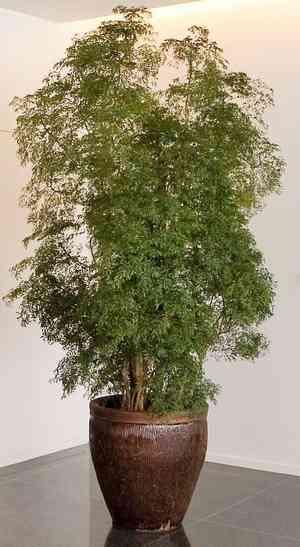
Ming aralia is recognized for its distinctive leaves and tiered appearance, making it a focal point in any outdoor space.
2
Ming aralia flourishes in diverse light environments but favors soil that drains well and receives moderate moisture.
3
Adding Ming aralia to your outdoor design can offer both visual appeal and ecological advantages.
Exploring Ming aralia: A Distinctive Addition to Your Landscape
Recognizing the unique visual appeal of Ming aralia
A standout feature of Ming aralia is its elaborate leaves. The plant showcases finely segmented foliage that produces a delicate and layered visual effect. This abundant greenery lends an air of grace and refinement to any garden design, making Ming aralia a favored selection for gardeners aiming to craft a peaceful and sophisticated outdoor area. Its impressive form and rich textures make it a captivating element that brings both depth and height to your garden.
Understanding Ming aralia's growth patterns and suitability for landscaping
Ming aralia develops as a shrub or small tree, reaching heights of up to eight feet when fully mature. It typically grows slowly, which makes it an excellent choice for gardeners desiring a manageable yet robust plant. Perfect for both container planting and in-ground settings, Ming aralia adapts well to diverse conditions provided it receives well-draining soil and moderate irrigation. Due to its adaptable nature, Ming aralia can be incorporated into various garden styles, from tropical themes to minimalist contemporary designs.
Discovering popular styles and themes where Ming aralia integrates well
Ming aralia is remarkably adaptable, fitting seamlessly into a range of landscaping aesthetics. It excels in tropical gardens, where its exotic appearance complements a variety of vibrant, lush plants. It also integrates effortlessly into Asian-inspired gardens known for their calm and elegance, adding a subtle touch with its intricate leaves. Furthermore, Ming aralia can offer a contrasting backdrop in modern and minimalist gardens, where its complex textures beautifully contrast with simpler, cleaner elements like gravel and stone.
Integrating Ming aralia Into Your Outdoor Space
Designing your area: considering layout and Ming aralia's needs
Prior to planting Ming aralia, take time to grasp its cultivation requirements. It prefers locations with partial shade to full sun and benefits from well-draining soil. When planning your landscape, consider the space Ming aralia will need to grow without being crowded by other plants. Position it in areas where its distinctive foliage can be admired, such as alongside paths, near patios, or as a solitary specimen plant. Consider the mature size of Ming aralia to ensure it has ample room to flourish over time.
How to arrange Ming aralia with other plants for visual impact
Pairing Ming aralia with other plants can create a striking visual effect in your garden. Combine it with plants that possess contrasting textures or colors to emphasize its intricate foliage. For instance, placing Ming aralia near broad-leaved plants can highlight the delicate nature of its leaves. Utilize it as a background plant to provide texture behind flowering plants, or allow it to stand out as a focal point in combination with ornamental grasses or ferns. The versatility of Ming aralia means it can adapt to various companions, making it easy to craft a harmonious and visually appealing garden landscape.
Care guidelines for maintaining Ming aralia's health in your garden
Caring for Ming aralia is relatively straightforward, making it an excellent option for gardeners of all skill levels. Ensure it receives consistent watering, especially during dry spells, but be careful not to overwater as it prefers well-draining soil. Pruning is minimal but can be performed to maintain its shape and encourage new growth. Fertilize Ming aralia during the active growing season with a balanced fertilizer to support its health and vigor. Watch out for common pests and diseases, though Ming aralia is generally robust and can ward off most garden threats with proper care.
Advantages of Selecting Ming aralia for Your Outdoor Areas
Environmental contributions: Does Ming aralia enhance local ecology?
Ming aralia can positively contribute to the local ecology of your garden. Its dense foliage offers refuge for beneficial insects and small wildlife, fostering biodiversity. Additionally, its capacity to grow in various soil types makes it a good choice for erosion control. While not a major player in terms of large-scale environmental impact, Ming aralia still adds value by supporting a small ecosystem within your garden space.
Aesthetic improvements: How does Ming aralia elevate garden beauty?
Undeniably, Ming aralia significantly boosts the visual appeal of any garden landscape. Its finely divided leaves create a sense of movement and lightness, contributing to an overall feeling of serenity and elegance. Whether used as a backdrop, a focal point, or as part of a border, the unique texture and form of Ming aralia add an artistic touch to the garden. Its ability to blend seamlessly with different styles means it can enhance the beauty of any outdoor space, from traditional gardens to modern designs.
Low maintenance and resilience: Is Ming aralia a practical choice?
For those seeking a low-maintenance landscaping option, Ming aralia is a practical and robust choice. Its slow growth rate means it doesn't require frequent trimming, and its general hardiness allows it to endure a variety of environmental conditions. As long as its basic needs for well-draining soil and moderate watering are met, Ming aralia will thrive with minimal intervention. This makes it a fantastic option for busy gardeners who want to enjoy the beauty of their garden without investing significant time in upkeep.



