Enhancing Your Garden Design with the Sour cherry Plant: A Landscaping Guide
1
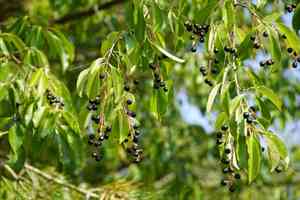
Sour cherry brings vibrant hues and appeal to your garden when it flowers.
2
Correct positioning of Sour cherry guarantees its growth and positive impact on nearby flora.
3
Incorporating Sour cherry alongside suitable plants elevates the aesthetic appeal of your outdoor space.
Introducing Sour Cherry in Garden Design
Appreciating the visual charm of Sour Cherry
Sour cherry offers a distinct aesthetic appeal to any garden with its lush, rounded crowns and abundant flowers. The vivid shades of its blooms can range from soft pinks to striking whites, creating a visual delight. These flowers are not only appealing to people but also attract pollinators like bees, which help maintain your garden's ecosystem. The tree itself possesses an elegant form that can serve as a central feature in garden planning, adding both height and texture to the landscape. Whether you're aiming for a traditional or a more contemporary garden style, Sour cherry integrates seamlessly due to its adaptable appearance.
Brief overview of Sour Cherry's popularity in contemporary landscaping
Sour cherry has gained favor in modern landscaping for its adaptability and aesthetic qualities. Homeowners and landscape designers value its moderate size, making it suitable for various garden settingsâfrom small yards to large estates. Beyond its visual appeal, Sour cherry is also prized for its relatively low maintenance needs. Unlike some other ornamental trees, Sour cherry doesn't demand constant attention and can thrive with basic care. This makes it an ideal choice for those seeking beauty without a significant time commitment.
Optimal Placement of Sour Cherry in Your Garden
Selecting the ideal spot for health and development
The success of Sour cherry in your garden largely depends on its placement. Ideally, you should plant Sour cherry in an area that receives full sunlight for at least six hours daily. This sun exposure is vital for its growth and flowering. The soil should drain well to prevent root rot, a common issue if the tree sits in waterlogged soil. It's also wise to space Sour cherry adequately from other plants and structures to ensure it has room to grow without competition or obstruction. This allows for better air circulation, reducing disease risk and ensuring healthy development.
How Sour Cherry's positioning impacts nearby plant life
The placement of Sour cherry in your garden can significantly influence the health and growth of surrounding plants. By positioning Sour cherry in a strategically advantageous spot, you can create micro-environments that benefit other plants. For instance, the shade cast by its canopy can provide relief to shade-loving plants during the hottest part of the day. Additionally, its flowers attract pollinators that will also benefit other flowering plants in your garden. However, it's important to avoid overcrowding, as Sour cherry needs ample space for its roots and canopy, which could otherwise overshadow smaller plants.
Integrating Sour Cherry with Other Plants
Companion plants that flourish alongside Sour Cherry
Integrating Sour cherry with suitable companions enhances overall landscape aesthetics and promotes mutual growth. Plants like lavender, spring bulbs, and perennial flowers are excellent choices to plant near Sour cherry. These plants not only complement Sour cherry with their varied colors and textures but also benefit from similar soil and sunlight conditions. Ground covers like creeping thyme or sweet woodruff can also thrive under the partial shade of Sour cherry, providing a lush, green carpet that enhances the garden's visual appeal.
Avoiding common planting errors
When incorporating Sour cherry into your garden, there are a few common mistakes to avoid. One key thing is not planting Sour cherry too deeplyâit should be at the same soil level as it was in the nursery pot to prevent plant stress. Overcrowding is another common issue; ensure Sour cherry has enough space to grow without competing with other plants for nutrients and sunlight. Additionally, avoid overwatering as this can lead to root rot. Regularly check soil moisture and only water when necessary. Lastly, avoid planting under large, established trees as resource competition can hinder Sour cherry's growth.
Seasonal Considerations for Sour Cherry
Preparing Sour Cherry for various seasons
Sour cherry requires different care routines as the seasons change. In spring, it's important to prune any dead or damaged branches to encourage healthy growth. During summer, ensure the tree is adequately watered, especially during dry spells. Mulching around the base can help retain moisture and keep roots cool. Autumn is the time to prepare Sour cherry for winter by applying a balanced fertilizer to boost its nutrient reserves. In winter, consider using burlap or tree wraps to protect young trees from extreme cold and wind damage, particularly in areas with harsh winters.
Key care tips throughout the year
Consistent care throughout the year ensures Sour cherry remains healthy and vibrant. Regular watering, especially during the dry season, is crucial. However, be cautious of overwatering. Pruning should be done at the right timeâlate winter or early springâbefore new growth begins. Fertilizing Sour cherry once a year in early spring with a balanced fertilizer promotes robust growth and flowering. Watching for pests and diseases is also important; catch issues early to prevent their spread. Applying organic compost annually can improve soil health and provide essential nutrients.
The Visual Impact of Sour Cherry During Peak Blooms
What to expect during the flowering period
During its peak bloom, Sour cherry becomes a strikingly beautiful feature in any garden. The tree is adorned with a profusion of delicate, colorful blossoms that not only add aesthetic value but also fill the air with a pleasant fragrance. This period usually occurs in late spring, lasting for several weeks. The sight of Sour cherry in full bloom is a visual treat, making it a favored choice among garden enthusiasts looking to add seasonal flair. The tree's flowers also attract a variety of pollinators, such as bees and butterflies, enhancing your garden's biodiversity.
Enhancing your landscape's aesthetics with Sour Cherry's colors
The vibrant colors of Sour cherry's blooms can significantly enhance your landscape's visual appeal. Whether standing alone as a focal point or integrated with other plants, its blossoms create a captivating display. To maximize this effect, consider planting Sour cherry against a backdrop of evergreens or darker foliage plants. This contrast will make the colors pop, creating a stunning visual focal point. Additionally, pairing Sour cherry with flowering plants that have staggered bloom times ensures continuous color and interest in the garden throughout the growing season.



