Enhancing Your Garden Design with the Japanese cherry Plant: A Landscaping Guide
1
Japanese cherry trees enhance a garden's beauty and offer seasonal appeal.
2
Selecting an appropriate site and suitable companion plants is vital for Japanese cherry development.
3
Year-round maintenance is essential for preserving the vigor and appearance of Japanese cherry.
Introduction to Japanese Cherry in Landscaping
What makes Japanese cherry popular for landscaping? Discover its unique features.
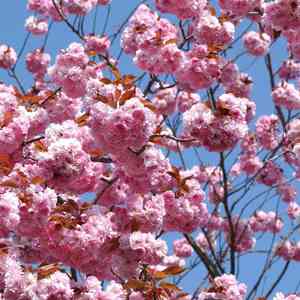
Japanese cherry is a cherished addition to many gardens, renowned for its spectacular spring blooms and graceful form. Its appeal stems from the breathtaking display of pink and white flowers, which create a striking focal point in any outdoor space. Beyond its visual charm, Japanese cherry is also valued for its adaptability to various soil types and climates, making it a versatile option for gardeners. The treeâs compact size and manageable root system render it suitable for both small plots and larger areas, enhancing its overall allure and usefulness in landscape design.
The visual impact of Japanese cherry: What aesthetics does it bring to your garden?
The aesthetic charm of Japanese cherry is undeniable, transforming gardens into tranquil and picturesque sanctuaries. In spring, its abundant blossoms form a canopy of soft, pastel hues, while in autumn, its foliage turns vibrant shades, adding seasonal interest. The treeâs delicate, serrated leaves and elegant branches enhance its overall grace. When in full bloom, Japanese cherry offers a stunning contrast to the surrounding greenery, drawing the eye and eliciting admiration from observers. Furthermore, its relatively modest stature allows it to be a focal point without overwhelming nearby plants.
Planning Your Japanese Cherry Landscape
Assessing the right location: Where to plant Japanese cherry in your garden?
Japanese cherry should be situated in a spot that receives full to partial sunlight, as this promotes optimal flowering and growth. Consider areas where you desire a central feature, such as near entrances, patios, or as a solitary specimen in a lawn. Itâs crucial to ensure the chosen site has well-draining soil to prevent root rot. Additionally, sightlines should be consideredâplant Japanese cherry where its blooms will be visible from key viewpoints, enhancing your gardenâs overall beauty.
Size and spacing considerations for growing Japanese cherry
Understanding the mature dimensions of Japanese cherry is vital for proper planning. Typically, Japanese cherry can reach 20-40 feet in height and spread, so itâs important to provide ample room for it to achieve its full potential without crowding adjacent plants. When planting multiple trees, maintain a distance of about 15-25 feet apart to ensure sufficient airflow and sunlight penetration, which helps prevent disease and encourages healthy development. Correct spacing also ensures that each tree can be appreciated individually for its distinct beauty.
Companion plants for Japanese cherry: Enhancing biodiversity
Selecting appropriate companion plants can boost the visual appeal and health of your Japanese cherry. Consider planting shrubs like azaleas or rhododendrons, whose vivid blooms complement the soft flowers of Japanese cherry. Groundcovers such as hostas or ferns can add texture and fill in the base area, creating a lush, layered appearance. Moreover, incorporating a mix of annuals and perennials that flower at different times of the year will ensure that your garden remains attractive even when Japanese cherry is not blooming, fostering a diverse and dynamic landscape.
Seasonal Tips for Japanese Cherry Landscaping
Spring care tips: Maximizing bloom aesthetics
Spring is the season when Japanese cherry truly excels, so providing the right care is essential. Ensure the tree is adequately watered, especially during dry periods, to support abundant blossoms. Applying a balanced, slow-release fertilizer at the start of the growing season can supply the necessary nutrients for vibrant flowers. Mulching around the base of Japanese cherry helps retain moisture and suppress weeds, giving the tree a better environment to flourish. Regularly check for pests and diseases, addressing any issues early to prevent damage to the delicate blooms.
Autumn considerations: Preparing Japanese cherry for colder months
Preparing Japanese cherry for winter involves a few key steps to ensure its survival and well-being. Begin by pruning dead or diseased branches in late fall to reduce the risk of infections during the colder months. Applying a layer of mulch around the treeâs base helps insulate the roots from freezing temperatures. Additionally, avoid heavy fertilization in the fall, as this can encourage new growth that might not harden off before winter. Ensuring the tree is well-hydrated going into winter can also prevent stress and damage.
Maintaining the Health and Aesthetics of Japanese Cherry
Pruning techniques specific to Japanese cherry: When and how to trim
Proper pruning is crucial to maintain the structure, health, and beauty of Japanese cherry. The ideal time to prune Japanese cherry is immediately after it finishes flowering in the spring. This timing allows you to shape the tree without sacrificing next yearâs blooms. Focus on removing dead or crossing branches, thinning out crowded areas to improve air circulation, and enhancing the overall form. Use clean, sharp tools to make precise cuts, which heal faster and reduce the risk of disease. Regular, light pruning is preferable to avoid stressing the tree with heavy cuts.
Common issues to watch for in Japanese cherry: Dealing with pests and diseases
Like all plants, Japanese cherry is susceptible to certain pests and diseases. Common problems include aphids, scale insects, and cherry leaf spot. Regularly inspect your tree for signs of pests, such as distorted leaves or sticky residue, and treat promptly with appropriate measures like horticultural oils or insecticidal soaps. Fungal diseases can be managed by ensuring good air circulation around the tree and removing any fallen debris that can harbor pathogens. Applying fungicide during wet seasons can also help protect against diseases.



