Enhancing Your Garden Design with the Common chokecherry Plant: A Landscaping Guide
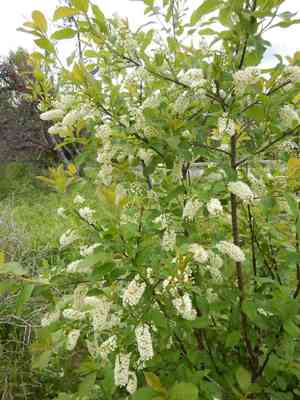
1
Common chokecherry flourishes in bright sunlight or partial shadow, offering flexibility for various garden spots.
2
Adequate distance between Common chokecherry plants is vital for robust development and to avoid overcrowding.
3
Consistent upkeep and periodic attention help Common chokecherry maintain its appearance and extend its lifespan.
Introducing Common chokecherry in Garden Design
Overview of how Common chokecherry integrates into various garden aesthetics
Adding Common chokecherry to your garden plan can elevate its visual appeal and practical utility. Whether you're aiming for a sleek modern look, a rich traditional garden, or a productive edible landscape, Common chokecherry adapts well. Its adaptable nature allows it to fit seamlessly into diverse themes, serving as a background plant in large lawns or as a central feature in smaller, more intimate garden areas. The versatility of Common chokecherry makes it an excellent choice for gardeners seeking to add elegance and natural beauty to their outdoor spaces.
Advantages of including Common chokecherry in your outdoor area
Common chokecherry offers numerous benefits, making it a valuable addition to any garden. It is renowned for its attractive flowers, which can draw in pollinators, enhance the garden's visual charm, and contribute to the local ecosystem's balance. Furthermore, Common chokecherry requires relatively little upkeep compared to other ornamental plants, making it suitable for both new and experienced gardeners. Its berries are not only visually appealing but can also be used in various culinary applications, adding a practical aspect to its presence in your yard.
Optimal Placement of Common chokecherry in Your Garden
Assessing sun exposure and soil conditions suitable for Common chokecherry
Common chokecherry flourishes best when situated in areas receiving full sun to partial shade. Ensuring your Common chokecherry gets at least six hours of direct sunlight daily will encourage robust growth and flowering. Regarding soil, Common chokecherry is adaptable but prefers well-draining soil that is slightly acidic to neutral. A soil test will help determine the pH level and if amendments are needed to optimize the soil for Common chokecherry's growth needs. Correct placement, considering light and soil, will result in a strong and attractive plant.
Best practices for spacing and positioning Common chokecherry
Proper spacing is vital when planting Common chokecherry to prevent overcrowding and ensure sufficient air circulation, which helps reduce disease risk. It's advisable to space Common chokecherry plants at least 10 to 15 feet apart, depending on the specific cultivar and your intended planting arrangement. When placing Common chokecherry, consider its mature size and surrounding plants to create a harmonious and balanced garden design. Avoid planting too close to structures or other large plants to give Common chokecherry the space it needs to thrive.
Design Concepts Featuring Common chokecherry
Creating focal points with Common chokecherry
Utilizing Common chokecherry as a garden focal point can attract attention and generate visual interest. Planting Common chokecherry in the center of a garden bed or at the end of a garden path can make it a striking element. Its blooms and berries add seasonal color and texture, acting as a natural centerpiece. Integrating Common chokecherry with decorative elements like garden benches, statues, or water features can further enhance its role as a central highlight in your landscape design.
Combining Common chokecherry with other plants for aesthetic variety
Pairing Common chokecherry with other plants can create a diverse and visually appealing garden. Consider complementing Common chokecherry's vibrant foliage and flowers with contrasting textures and colors. Silver-leaved plants, for instance, can enhance Common chokecherry's dark green leaves, while perennials with different bloom times can ensure your garden remains colorful throughout the seasons. Integrating Common chokecherry into mixed borders or alongside shrubs that share similar soil and light requirements can create a cohesive and visually dynamic garden landscape.
Seasonal considerations for Common chokecherry in garden design
Understanding the seasonal behavior of Common chokecherry is crucial for effectively incorporating it into your garden design. In spring, Common chokecherry produces beautiful blossoms that can be the highlight of your spring garden. During summer, its lush foliage provides a green backdrop, and come fall, the vibrant berries and changing leaves offer a burst of autumn colors. Planning for Common chokecherry's seasonal changes by integrating it with other plants that have complementary blooming and foliage cycles will ensure your garden looks vibrant and full of life year-round.
Maintenance Advice for Common chokecherry in Gardens
Basic upkeep and seasonal care recommendations
Maintaining Common chokecherry in your landscape involves consistent watering, especially during dry periods, to keep the soil evenly moist but not waterlogged. Mulching around the base can help retain moisture and suppress weeds. Pruning is also essential to remove any dead or diseased branches, promote air circulation, and maintain the desired shape and size of Common chokecherry. Seasonal care includes feeding with a balanced fertilizer in early spring and applying a slow-release fertilizer during the growing season to support vigorous growth and blooming.
How to address common issues encountered with Common chokecherry
Common chokecherry is generally resilient but can face problems like pests and diseases. Watch out for common issues such as aphids, tent caterpillars, and fungal infections. Regularly inspecting the plant and applying appropriate treatments, such as insecticidal soap or fungicides, can manage these issues effectively. Additionally, proper cultural practices like ensuring good air circulation and avoiding overhead watering can prevent many common problems. Addressing issues promptly and with the right methods will keep your Common chokecherry healthy and thriving in your garden.



