Enhancing Your Garden Design with the Coast live oak Plant: A Landscaping Guide
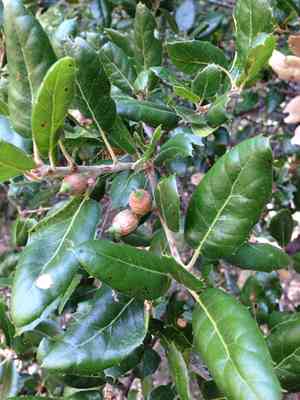
1
The Coast live oak significantly enhances the beauty and environmental benefits of any outdoor space.
2
Thoughtful positioning of Coast live oak can optimize its shade and structural advantages.
3
Coast live oak provides sustenance for native animals and purifies the atmosphere.
Introducing Coast Live Oak into Landscape Designs
Appreciating the Aesthetic Qualities of Coast Live Oak
When considering the visual appeal of Coast live oak, it's vital to acknowledge the distinct charm it brings to any garden or outdoor space. Its evergreen foliage offers year-round greenery, creating a striking contrast with other seasonal plants. The twisted branches and expansive canopy form a magnificent focal point that captures attention and adds character. Placed among flowering plants, Coast live oak creates a timeless and refined look suitable for various garden styles, from rustic to modern.
The Durability and Adaptability of Coast Live Oak
Coast live oak is renowned for its remarkable hardiness and ability to adapt to diverse environmental conditions. It flourishes in coastal regions but can also endure arid periods, making it a versatile option for many landscapes. This adaptability means it requires less water once established, a key factor for sustainable gardening. Furthermore, Coast live oak is relatively low-maintenance and can thrive in various soil types, provided they drain effectively.
Brief Overview of Coast Live Oak's Growth Characteristics
Understanding the growth patterns of Coast live oak is essential for its successful integration into your landscape. Coast live oak can reach impressive heights of up to 70 feet, with a broad canopy spread that can cover a substantial area. It exhibits a slow to moderate growth rate, allowing for gradual incorporation into existing landscapes without overshadowing other plantings. Its dense foliage provides excellent shade, and its deep root system aids in preventing soil erosion.
Strategic Placement of Coast Live Oak in Your Garden
Selecting the Optimal Location for Growth and Visual Appeal
Choosing the ideal location for Coast live oak involves considering both its growth requirements and its visual impact. It should be planted in an area where it can achieve its full canopy spread without obstruction. Ideally, a sunny spot with well-draining soil is perfect. Positioning Coast live oak centrally in your garden or along property boundaries can create striking focal points and natural divisions.
Maximizing Shade and Structural Advantages
Coast live oak is excellent for providing shade, which is particularly beneficial in warmer climates. Planted near patios or seating areas, it can create comfortable outdoor living spaces. It can also serve as a windbreak, protecting other plants and structures from strong gusts. Its robust structure enhances the architectural elegance of any garden, complementing both natural and man-made elements.
Complementary Planting Suggestions
When incorporating Coast live oak into your landscape, consider pairing it with compatible plants that thrive in similar conditions. Understory plants such as native grasses, shade-loving perennials, and shrubs can create a layered, natural appearance. Drought-tolerant plants like lavender, sage, and succulents work well beneath its canopy, offering diverse textures and colors that enhance the overall aesthetic.
Environmental and Ecological Benefits of Coast Live Oak
Contribution to Local Biodiversity
Coast live oak plays a crucial role in supporting local biodiversity. Its acorns provide a food source for various birds and mammals, while its dense foliage offers shelter and nesting sites. Integrating Coast live oak into your landscape helps sustain local ecosystems by supporting native wildlife and fostering natural ecological processes.
Improvement of Air Quality
Another significant environmental advantage of Coast live oak is its capacity to enhance air quality. The tree absorbs pollutants like carbon dioxide while releasing oxygen. This natural air purification process contributes to a healthier living environment. Planting Coast live oak in urban or suburban areas can help mitigate the effects of air pollution, making it a valuable addition to any landscape.
Supporting Local Wildlife
Coast live oak provides essential habitat and food resources for local wildlife. Birds, squirrels, and insects all flourish in and around this tree, contributing to a vibrant and dynamic ecosystem. By planting Coast live oak, you can participate in preserving local fauna and contributing to the broader ecological community.
How Does Coast Live Oak Influence Seasonal Landscape Dynamics?
Visual Transformations Across Seasons
Coast live oak offers captivating visual changes throughout the year, enhancing seasonal landscape dynamics. In spring and summer, its lush green leaves provide a refreshing canopy. During autumn, the leaves retain their vibrant color, adding stability to the garden's overall appearance. Even in winter, the tree offers structural beauty with its sturdy branches against a seasonal backdrop.
Preparations for Various Weather Conditions
Preparing for different weather conditions is another vital aspect of maintaining Coast live oak. In anticipation of heavy rainfall, ensure the soil has adequate drainage to prevent root rot. During dry spells, occasional deep watering helps sustain the tree, especially in its initial years of growth. Pruning dead or weak branches before storm season reduces the risk of damage from strong winds.
Long-Term Care and Maintenance Advice for Coast Live Oak
Routine Inspection and Care Practices
Regular inspection and care are crucial for the health of Coast live oak. Periodically check for signs of disease or pests and take prompt action if any issues are discovered. Pruning should be done sparingly and strategically to maintain the tree's natural form and vitality. Mulching around the tree's base helps retain moisture and regulate soil temperature.
Addressing Common Challenges
Addressing common challenges with Coast live oak involves proactive and informed care. Frequent issues such as oak wilt and root rot can be managed with appropriate watering practices and soil care. Consulting with a local arborist can provide specific advice tailored to your region and help ensure the longevity and health of your tree.



