Enhancing Your Garden Design with the White oak Plant: A Landscaping Guide
1
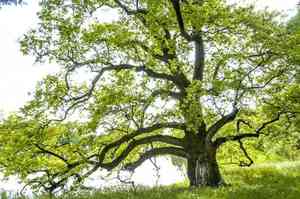
White oak contributes considerable visual appeal to any landscape plan.
2
Thoughtfully positioned White oak can establish natural visual barriers and offer shade.
3
White oak fosters biological diversity and improves ecological functions.
Grasping the Influence of White Oak in Landscape Design
Discover the aesthetic appeal White oak adds to diverse landscape layouts
Incorporating White oak into your landscape design introduces a timeless and grand element. Its expansive canopy and striking form make it an excellent focal point in any garden setting, whether you desire a classic or modern look. Its imposing presence can elevate visual charm, fostering an inviting and tranquil atmosphere that captures attention and seamlessly connects various landscape features.
Discuss the seasonal transformations of White oak and their visual impact
One of White oak's most captivating attributes is its seasonal metamorphosis. In spring and summer, its vibrant green foliage provides a refreshing, lush backdrop. By autumn, the leaves display a stunning array of reds, oranges, and yellows, creating a breathtaking display. Even in winter, the bare branches of White oak offer structural beauty and depth to the landscape. These seasonal shifts ensure White oak remains a dynamic and year-round source of interest and beauty in your garden.
Examine the longevity and resilience aspects of White oak
White oak is celebrated for its long lifespan and hardiness, capable of flourishing for centuries with proper care. This durability means that once established, White oak can become a permanent and lasting feature of your landscape. Its robust nature also makes it a sound investment for those aiming to create an enduring garden legacy. Furthermore, White oak's sturdy wood and deep root systems provide stability, enabling it to withstand severe weather conditions.
Optimal Placement of White Oak in Your Garden
Determining the ideal spot for White oak in your landscape
Selecting the correct location for White oak is vital for maximizing its potential. Consider areas that would benefit from its broad canopy and shade. Positioning White oak centrally or prominently can make it a focal point, while planting it near patios or pathways can create a welcoming ambiance. Ensure ample space for root and branch growth, avoiding proximity to buildings or other structures.
How to ensure White oak complements other garden elements
Integrating White oak with other garden components requires careful planning. Its size and stature mean it pairs well with other large plants and trees, but also offers a striking contrast to smaller shrubs and flowering plants. By coordinating the color scheme and plant varieties around White oak, you can achieve a harmonious and visually pleasing landscape. Consider companion plants that thrive in partial shade to enhance the overall garden ecosystem.
Advice on utilizing White oak for natural privacy screens or shade
White oak is an excellent choice for establishing natural privacy barriers and shade in your landscape. Planting a row of White oak trees along property boundaries can act as a living fence, providing privacy without sacrificing beauty. Additionally, White oak's dense canopy offers substantial shade, making it perfect for outdoor seating areas or play zones. This application not only boosts the functionality of your space but also imparts a tranquil and secluded feel to your garden.
Maintenance Guidelines for White Oak in Landscaping
General care recommendations to preserve White oak's health
Maintaining White oak involves consistent watering, especially during its initial years as it establishes its root system. Mulching around the base is also beneficial for moisture retention and soil temperature regulation. Periodically pruning dead or damaged branches will help maintain its structure and encourage healthy growth. Monitoring soil health and ensuring adequate nutrients will keep White oak thriving.
Strategies for managing common pests and diseases affecting White oak
Like all plants, White oak can be vulnerable to certain pests and diseases. Regular inspections can aid in early detection. Common pests include caterpillars and borers, which can be managed with appropriate treatments. Fungal infections, such as oak wilt, demand immediate attention to prevent spread. Ensuring good air circulation and avoiding overwatering can help prevent many common issues. Consulting a local arborist can provide tailored advice for maintaining White oak's health.
Seasonal care suggestions for White oak
Seasonal care for White oak involves different tasks throughout the year. In spring, a slow-release fertilizer can support new growth. Summer care focuses on consistent watering and pest monitoring. Autumn is an ideal time for pruning and managing fallen leaves to prevent disease. Winter preparation includes checking for any structural weaknesses and applying mulch to protect roots from extreme cold. These seasonal practices ensure White oak remains healthy and resilient year-round.
Advantages of Incorporating White Oak in Eco-Friendly Landscaping
Environmental benefits of planting White oak
Planting White oak offers numerous environmental advantages. Its deep roots help prevent soil erosion and improve water infiltration, contributing to better soil health. The extensive canopy provides habitat for various wildlife, promoting biodiversity. Additionally, White oak absorbs significant amounts of carbon dioxide, helping to mitigate climate change effects. Integrating White oak into your landscape is a step towards a more sustainable and eco-friendly garden.
Contribute to biodiversity with White oak
White oak plays a crucial role in supporting local biodiversity. Its acorns are a vital food source for many animals, including squirrels, deer, and birds. The tree's bark and leaves offer habitats for insects and fungi, which are essential components of the ecosystem. By planting White oak, you contribute to the conservation of native species and the promotion of a balanced, healthy environment.
Enhancing ecosystem services through White oak
White oak enhances various ecosystem services that benefit both the environment and human well-being. Its ability to filter air pollutants and provide shade can reduce energy costs for cooling homes. The tree's capacity to manage stormwater runoff helps prevent flooding and water pollution. By integrating White oak into your landscape, you not only create a beautiful garden but also support essential ecological functions that improve overall environmental health.



