Enhancing Your Garden Design with the Swamp white oak Plant: A Landscaping Guide
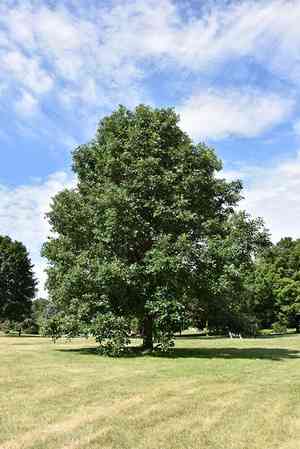
1
Swamp white oak thrives in diverse soil conditions, making it a flexible option for numerous settings.
2
Due to its tolerance for moist environments, Swamp white oak is ideal for locations with inadequate drainage.
3
Swamp white oak supports ecological diversity and carbon capture, providing environmental advantages.
Why Select Swamp White Oak for Your Garden?
Versatility Across Soil Types
A primary reason to consider planting Swamp white oak in your garden is its remarkable capacity to thrive in diverse soil conditions. Whether your soil is sandy, loamy, or clay-based, Swamp white oak can flourish, making it a flexible option for various landscapes. This adaptability means you won't need to significantly alter your soil to accommodate it, saving time and effort. For gardeners seeking a robust, low-maintenance tree that performs well in different environments, Swamp white oak is a leading contender.
Durability in Moist Environments
Does your garden feature areas with poor drainage or frequently saturated soil? Swamp white oak could be the perfect solution. It excels in wet conditions and can endure prolonged moisture exposure better than many other tree species. This resilience ensures Swamp white oak can establish and thrive even in challenging wetland ecosystems. Its ability to tolerate 'wet feet' without succumbing to root rot makes it highly valued in rain gardens, pond edges, and marshy areas, offering aesthetic appeal while gracefully handling damp conditions.
Extended Lifespan and Robustness
Regarding longevity and durability, Swamp white oak stands out impressively. Known for its long life, this tree can become a permanent fixture in your landscape, providing enjoyment for many generations. Its sturdy nature also means it can withstand various stressors, from strong winds to pest infestations, more effectively than many other trees. This endurance makes Swamp white oak a wise investment for those aiming to cultivate a resilient landscape that remains beautiful over time.
Design Considerations for Swamp White Oak
Optimal Placement in Landscape Designs
Strategic placement of Swamp white oak can maximize its visual and practical benefits in your landscape design. Due to its considerable size and broad canopy, Swamp white oak should ideally be planted where it has ample space to grow unobstructed. Consider positioning it as a central feature in your garden or along the perimeter to act as a natural screen. Its attractive bark and rounded shape can provide both shade and structural beauty to large lawns and expansive properties. By thoughtfully placing Swamp white oak, you can enhance your garden's overall aesthetic and utility.
Companion Plants and Trees
To create a cohesive landscape, it's crucial to select companion plants and trees that thrive alongside Swamp white oak. Consider pairing it with understory plants that prefer similar soil and moisture conditions, such as ferns, hostas, or native grasses. These plants can add layers of texture and color to your garden while benefiting from the shade and protection provided by Swamp white oak. Additionally, other moisture-loving trees, like willows or birches, can make excellent companions, fostering a unified and visually appealing garden environment.
Seasonal Visual Transformations
One of the delightful aspects of integrating Swamp white oak into your landscape is its stunning seasonal changes. In spring and summer, Swamp white oak boasts lush, green foliage that offers excellent shade and aesthetic charm. As autumn approaches, its leaves transform into captivating yellow to reddish-brown hues, adding vibrant fall colors to your garden. Even in winter, the tree's rugged bark and sturdy branches provide visual interest against a snowy backdrop. These seasonal shifts ensure Swamp white oak remains a focal point in your landscape throughout the year, with each season revealing a new dimension of beauty.
Environmental Advantages of Including Swamp White Oak
Contribution to Biodiversity
Planting Swamp white oak can significantly boost your garden's biodiversity. It offers essential habitat and food sources for various wildlife, including birds, insects, and mammals. The leaves and bark of Swamp white oak can support a wide array of insects, which in turn attract birds and other predators, fostering a vibrant ecosystem in your garden. By incorporating Swamp white oak, you're not only adding a beautiful tree to your landscape but also contributing to the health and diversity of local wildlife populations.
Enhancing Local Ecosystems
Beyond creating a haven for wildlife, Swamp white oak plays a vital role in supporting and improving local ecosystems. Its ability to thrive in wet conditions and stabilize soil helps prevent erosion in flood-prone areas. The tree's root system aids in filtering water, enhancing water quality in the surrounding environment. This ecological support makes Swamp white oak an invaluable addition to landscapes focused on sustainability and environmental stewardship. By planting Swamp white oak, you can contribute to the resilience and health of your local ecosystem.
Carbon Sequestration Capabilities
In the face of climate change, trees like Swamp white oak are invaluable for their carbon sequestration abilities. By absorbing carbon dioxide from the atmosphere and storing it as carbon, Swamp white oak helps mitigate the effects of climate change. Over its long lifespan, Swamp white oak can sequester a substantial amount of carbon, making it an excellent choice for environmentally conscious gardeners. Its large canopy and efficient photosynthesis further enhance its role as a carbon sink. Including Swamp white oak in your landscape design is a proactive step toward creating a more sustainable, greener world.
Maintenance Advice for Swamp White Oak in Landscaping
Seasonal Pruning and Upkeep
To maintain Swamp white oak's health and aesthetic appeal, regular pruning is advised. Pruning should occur in late winter or early spring before new growth emerges. Focus on removing dead, diseased, or damaged branches to preserve the tree's structural integrity. Thinning out crowded branches can also improve air circulation and sunlight penetration, promoting overall tree health. Consistent pruning and care will ensure Swamp white oak retains its beauty and vigor year after year.
Soil Health and Moisture Management
While Swamp white oak adapts to various soil types, maintaining soil health is crucial for optimal growth. Mulching around the tree's base can help retain soil moisture and regulate temperature. Ensure the soil remains consistently moist but not waterlogged, especially during the tree's establishment phase. Proper mulching and moisture management will support the tree's root development and overall health, allowing it to thrive in your landscape.
Monitoring for Pest Issues
Regular inspection for pests and diseases is essential to maintain Swamp white oak's health. Common pests that might affect it include caterpillars, borers, and aphids. Watch for signs of infestation, such as discolored leaves, holes in the bark, or unexplained wilting. Early detection and prompt action can prevent severe damage. Using organic or horticultural treatments can help manage pest issues without harming beneficial insects. Regular checks and appropriate interventions will ensure Swamp white oak remains healthy and vibrant.



