Enhancing Your Garden Design with the Turkey oak Plant: A Landscaping Guide
1
The Turkey oak provides stature and refined grace, suitable for both formal and casual garden designs.
2
The Turkey oak's seasonal color shifts bring vibrant aesthetic interest to any outdoor space.
3
Introducing Turkey oak supports native animal environments and contributes to cleaner air.
Grasping the Visual Impact of Turkey Oak
Height and Form: The Majestic Presence of Turkey Oak
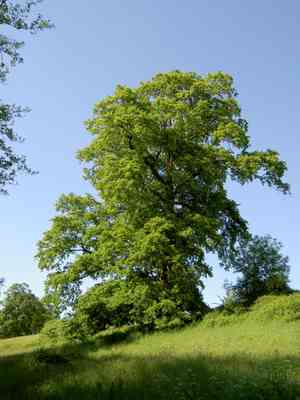
When envisioning a focal point for your garden, Turkey oak stands out, both literally and figuratively. This tree is renowned for its impressive stature and robust build, making it a prominent element in any landscape design. The grand scale of Turkey oak offers a strong visual anchor, capable of grounding a design and fostering a sense of equilibrium and proportion. Whether aiming for a refined, formal garden or a more relaxed, natural setting, the towering presence of Turkey oak can adapt and elevate the overall aesthetics.
Seasonal Color Shifts: Infusing Dynamic Visual Appeal
One of the most striking characteristics of Turkey oak is its seasonal color transformation. From vivid greens in spring and summer to rich, warm tones in autumn, Turkey oak brings vibrant beauty to your landscape throughout the year. This continuous change not only keeps your garden visually engaging but also marks the passage of time in an organic and captivating way. Imagine entering your garden and witnessing the gradual metamorphosesâit's like experiencing a new masterpiece with each passing season.
Shade Patterns: Practical and Aesthetic Advantages
Beyond its visual charm, Turkey oak also offers practical benefits that can enhance the utility of your outdoor area. The shade provided by its expansive canopy creates a cool sanctuary during hot summer days, making your garden more comfortable and inviting. Furthermore, the interplay of light and shadow cast by its branches can add a distinctive, artistic flair to your landscape. These shifting patterns of shade and sunlight can illuminate different sections of your garden at various times of day, boosting its overall aesthetic appeal.
Integrating Turkey Oak into Diverse Landscape Designs
Formal Landscapes: Balance and Magnificence
In formal landscaping, symmetry and order are essential components. Turkey oak fits perfectly into this design philosophy with its tall, upright growth and structured shape. Positioning Turkey oak at key points within a formal gardenâsuch as alongside paths or at the corners of expansive lawnsâcan evoke a sense of grandeur and sophistication. Its solid presence complements well-maintained hedges and geometric flower beds, contributing to a unified and elegant appearance.
Informal Gardens: Organic and Rustic Allure
For those who favor a more relaxed and natural garden style, Turkey oak can still play a crucial role. Its natural, untrimmed look can seamlessly integrate into informal landscapes, adding a rustic charm. The tree's spreading branches and textured bark offer a beautiful contrast to wildflowers, native plants, and other garden elements. In an informal garden, Turkey oak serves as a majestic backdrop that enhances the scene's natural beauty without dominating it.
Urban Environments: Maximizing Limited Green Spaces
Urban gardening often presents the challenge of restricted area. Here, Turkey oak can be an ideal solution. Despite its imposing size, it can be a striking addition to city gardens, parks, or even private courtyards. Its capacity to provide substantial shade and lush greenery can soften the harsh lines of urban architecture and create small natural havens within the concrete jungle. By carefully selecting the planting location, Turkey oak can optimize the available green space and introduce a touch of nature to urban settings.
Ecological Advantages of Cultivating Turkey Oak in Your Garden
Supporting Local Wildlife: Sustaining Ecosystems
Planting Turkey oak in your garden does more than just beautify your spaceâit supports local wildlife. The tree's acorns provide sustenance for various animals, such as squirrels and birds, while its branches and foliage offer refuge. This makes Turkey oak an integral part of local ecosystems, contributing to biodiversity and fostering healthy environmental interactions. By including Turkey oak in your landscape, you help maintain these natural habitats and the creatures that rely on them.
Enhancing Air Quality: The Natural Purifier
Another significant benefit of Turkey oak is its capacity to improve air quality. As a natural purifier, Turkey oak absorbs pollutants and releases oxygen, making the air cleaner and fresher. This is particularly important in urban areas where pollution levels can be high. By incorporating Turkey oak into your landscape design, you not only create a beautiful space but also contribute to a healthier environment for yourself and your community.
Soil Preservation and Enrichment
The extensive root system of Turkey oak plays a vital role in soil preservation and health. Its roots help prevent soil erosion by stabilizing the ground, especially on slopes and other vulnerable areas. Furthermore, the fallen leaves and organic matter from Turkey oak decompose and enrich the soil, improving its fertility and structure. This not only benefits Turkey oak itself but also supports the growth of other plants in your garden, fostering a thriving and balanced ecosystem.
Planning and Placement Advice for Turkey Oak
Assessing Sunlight and Soil Conditions
Before planting Turkey oak, it's crucial to evaluate the sunlight and soil conditions of your chosen site. Turkey oak thrives best in well-drained soils and locations that receive ample sunlight. By ensuring these conditions are met, you can promote healthy growth and longevity for your tree. Take the time to test your soil and observe the light patterns in your garden, making any necessary adjustments to create an optimal planting environment for Turkey oak.
Strategic Planting for Seclusion and Wind Protection
Strategic placement of Turkey oak can offer additional benefits such as privacy and wind protection. Planting Turkey oak along the boundaries of your property can create a natural, green barrier that shields your garden from curious eyes and strong winds. This not only enhances the privacy and comfort of your outdoor space but also reduces wind damage to other plants. Consider how Turkey oak can be positioned to fulfill these functional purposes while still contributing to the overall aesthetic of your landscape.
Long-Term Growth: Considering Future Space Needs
When planning to plant Turkey oak, it's essential to consider its long-term growth and space requirements. Turkey oak can grow quite large, both in height and spread, so ensure it has sufficient room to mature without crowding other plants or structures. Anticipate its future size by allowing ample space during the initial planting. This forward-thinking approach will help you avoid potential issues and ensure that Turkey oak remains a beautiful and harmonious part of your garden for years to come.



