Enhancing Your Garden Design with the Shingle oak Plant: A Landscaping Guide
1
Shingle oak offers substantial ecological advantages, fostering a varied and enduring ecosystem.
2
Selecting a location with adequate sunlight and appropriate soil is vital for the best development of Shingle oak.
3
Consistent upkeep is essential for maintaining the vigor and aesthetic appeal of Shingle oak in your garden.
Grasping the Function of Shingle Oak in Landscape Design
Concise overview of Shingle oak's distinguishing characteristics
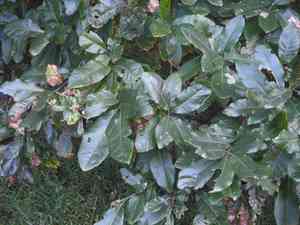
Shingle oak is a captivating tree species recognized for its unique attributes, making it an outstanding selection for landscape architecture. With its broad, lustrous leaves and thick canopy, Shingle oak provides ample shade and a striking visual appeal. Typically, this tree can reach heights of up to 60 feet, offering a commanding presence in any garden. Its robust, slender trunks add structure and intrigue, rendering it a versatile component in both formal and informal garden environments.
How Shingle oak contributes to ecological resilience
Shingle oak plays a crucial role in ecological resilience. It supports wildlife by offering habitat and sustenance for various species, including birds and insects. Furthermore, Shingle oak aids in improving soil health by reducing erosion with its strong root system and organic matter contributions. This tree also provides effective carbon sequestration, helping to combat climate change by absorbing carbon dioxide from the atmosphere. Planting Shingle oak in your garden not only enhances its beauty but also supports a diverse and robust ecosystem.
Visual appeal offered by Shingle oak
Regarding visual aesthetics, Shingle oak is an exceptional performer. The shiny, dark green foliage provides a lush, vibrant backdrop throughout the growing season, and it transforms into a rich russet brown in the autumn, offering seasonal interest. The tree's pleasing oval to pyramidal form can be a stunning focal point in a landscape design. Whether utilized as a solitary specimen or as part of a group planting, Shingle oak elevates the visual charm of any garden with its graceful shape and vivid leaves.
Choosing the Ideal Location for Shingle Oak in Your Garden
Evaluating sunlight and soil requirements
Selecting the appropriate site for Shingle oak is vital for its growth and vitality. This tree thrives in full sun to partial shade, necessitating at least six hours of direct sunlight daily. The soil should be well-draining and slightly acidic to neutral in pH. It's also important to ensure the location has sufficient room for the tree to extend its roots and branches. Before planting, conduct a soil test to ascertain its suitability and amend it if required to meet Shingle oak's needs.
Spatial planning for development and expansion
When planning where to plant Shingle oak, consider its mature dimensions and provide ample space for it to grow without obstruction. Plant Shingle oak at least 30 to 40 feet away from buildings and other large trees to prevent overcrowding and competition for resources. Proper spacing will ensure that Shingle oak has room to expand its canopy and roots, promoting better health and longevity. Planning for growth also involves considering the tree’s height and spread, ensuring it won’t interfere with overhead wires or structures.
Companion plants to pair with Shingle oak
Incorporating complementary plants alongside Shingle oak can enhance your landscape's overall aesthetic and ecological advantages. Shrubs like viburnum and witch hazel flourish in the same conditions as Shingle oak and provide under-canopy interest. Groundcovers such as hostas and ferns can create a lush, low-maintenance garden floor beneath the tree. Additionally, consider companion plants that attract pollinators or offer extra seasonal color to create a dynamic and vibrant garden environment.
Integration Methods for Shingle Oak into Overall Landscape
Creating focal points with Shingle oak
Shingle oak can serve as a striking centerpiece in your garden design. Positioning it centrally in an open area or at the end of a primary sightline can draw the eye and generate visual interest. The tree’s bold form and size naturally attract attention and can be complemented with strategically placed garden elements such as benches, sculptures, or water features. This technique not only highlights Shingle oak’s beauty but also organizes the space around it.
Advantages of layering Shingle oak with other plants
Layering Shingle oak with other plants creates depth and texture in your landscape design. Begin with low-growing groundcovers at the base, followed by mid-height shrubs, and finally, Shingle oak as the canopy layer. This multi-tiered approach mimics natural ecosystems, fostering biodiversity and visual complexity. Layering also ensures that plants of varying heights and textures can thrive in their ideal conditions, contributing to a healthier and more sustainable garden.
Utilizing Shingle oak for seclusion and boundary definition
Shingle oak functions as an excellent natural screen, providing privacy and delineating garden boundaries. Its dense foliage can effectively block views and reduce noise, creating a serene and secluded garden space. Planting a row of Shingle oak along property lines or near seating areas can offer a sense of enclosure and intimacy. Furthermore, employing Shingle oak as a living fence adds beauty and ecological value compared to traditional man-made barriers.
Preserving the Health and Attractiveness of Shingle Oak
Fundamental maintenance advice
To maintain Shingle oak's health and vibrancy, consistent upkeep is crucial. Water young trees deeply once a week during dry spells to establish strong roots. Apply mulch around the base to conserve moisture and regulate soil temperature. Prune dead or damaged branches to preserve shape and encourage new growth. Regular inspections for pests and diseases will help address issues early, ensuring your Shingle oak remains a robust and beautiful element of your landscape.
Seasonal care adjustments
Shingle oak’s care requirements can change with the seasons. In spring, apply a balanced fertilizer to support new growth. Summer watering is vital during periods of drought, while autumn is an ideal time for mulching and pruning. In winter, protect young trees from harsh weather with burlap wraps if necessary. Understanding and adapting to seasonal care routines will help your Shingle oak flourish year-round, adding lasting beauty to your garden.
Monitoring and addressing common health concerns
Shingle oak can be susceptible to certain pests and diseases, such as oak wilt and aphids. Regular monitoring is key to early detection and treatment. Look for signs of distress, such as yellowing leaves or unusual growth patterns. Integrated Pest Management (IPM) practices, including biological controls and minimal use of chemical treatments, can effectively manage issues while protecting beneficial insects and the environment. Consulting with a local arborist can provide additional guidance tailored to your area.



