Enhancing Your Garden Design with the Water oak Plant: A Landscaping Guide
1
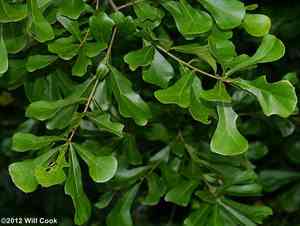
The water oak offers superb shade because of its expansive crown.
2
The water oak flourishes in both moist and somewhat arid environments, making it adaptable for various garden designs.
3
The water oak pairs well with numerous companion plants, enhancing the richness and variety of your outdoor space.
Introducing Water Oak in Landscape Design
The significance of Water oak in contemporary landscape architecture
In today's landscape architecture, Water oak holds a vital position due to its visual appeal and practical advantages. It acts as a central feature in many outdoor areas, thanks to its impressive height and the thick, umbrella-like crown it forms. Integrating Water oak into your landscape not only enhances the beauty of your outdoor environment but also aids ecological balance by providing a home for various wildlife. As sustainability becomes a core focus in garden planning, Water oak perfectly fits by reducing erosion and fostering biodiversity.
Advantages of incorporating Water oak into outdoor environments
Incorporating Water oak into your outdoor area provides numerous benefits. Firstly, it offers shade and cooling, crucial during hot periods. Its root system helps maintain soil structure and prevents erosion, making it an excellent choice for landscapes prone to soil degradation. Furthermore, Water oak's foliage displays seasonal color changes, adding dynamic visual interest throughout the year. The tree's ability to flourish in diverse soil types and conditions also makes it a resilient and low-maintenance addition to your garden.
Optimal Placement of Water Oak in Your Garden
Choosing the best spot for Water oak for healthy development
Selecting the ideal location for Water oak in your garden requires considering several elements. Ideally, Water oak should be planted in an area that receives ample sunlight, as it thrives in full to partial sun exposure. Also, ensure the chosen spot has well-draining soil to prevent waterlogging, which can be harmful to the tree's health. Avoid planting Water oak too close to buildings or other large trees to allow sufficient room for its roots and canopy to expand, promoting robust growth and preventing resource competition.
Utilizing Water oak's natural form and dimensions in landscaping
Water oak's inherent shape and size can be used to create stunning landscape designs. Due to its height and expansive canopy, Water oak can serve as a natural focal point or a shade provider in large yards. By positioning it strategically within your garden, you can use it to frame views, provide a backdrop, or even establish a peaceful seating area beneath its branches. The tree's distinct silhouette adds architectural interest to the landscape, making it a key element in both formal and informal garden settings.
Pairing Water Oak with Other Plants
Selecting complementary plants that thrive alongside Water oak
Choosing appropriate companion plants for Water oak helps create a balanced garden ecosystem. Opt for plants that flourish in similar soil and light conditions. Ground covers like ferns and hostas are excellent choices as they can benefit from the shade provided by Water oak. Shrubs like azaleas and rhododendrons, which prefer acidic soils, also pair well with Water oak. These plants not only complement Water oak but also contribute to the diversity and resilience of your garden.
Creating visually appealing contrasts in color and texture
Generating visual appeal in your landscape is simple when you combine Water oak with plants offering diverse colors and textures. Incorporate flowering plants like camellias or dogwoods to introduce vibrant hues beneath Water oak's canopy. For texture, consider adding ornamental grasses or shrubs with varied foliage patterns. The contrast between Water oak's sturdy structure and the delicate forms of these companion plants can transform your garden into a visually captivating and aesthetically pleasing space.
Seasonal Considerations for Water Oak
What to anticipate from Water oak throughout the year
Water oak offers something unique for each season, making it a dynamic addition to your landscape. In spring, fresh green leaves emerge, providing a burst of new life. Summer brings dense foliage that offers ample shade and cooling effects. During fall, the leaves turn brilliant shades of yellow and orange, adding vibrant colors to your garden. In winter, the tree's stark silhouette against the winter sky creates a striking visual when other plants have died back. Understanding these seasonal changes can help you plan your garden effectively.
Adjusting landscape practices to accommodate Water oak's seasonal changes
To accommodate Water oak's seasonal changes, it's important to adjust your landscaping practices accordingly. In spring, ensure the tree is well-watered to support new growth. Mulching can help retain moisture and suppress weeds. During the summer, prune any dead or overhanging branches to maintain the tree's shape and health. In autumn, collect fallen leaves to use as compost, enriching your soil. Winter preparation includes checking for any structural issues or disease and removing weak branches to prevent damage from snow and ice. Proactive care allows Water oak to thrive year-round.



