Enhancing Your Garden Design with the Willow oak Plant: A Landscaping Guide
1
Willow oak flourishes in both direct sun and partial shadow, offering flexibility for diverse garden locations.
2
Consistent, thorough irrigation is crucial during the early development stage of Willow oak.
3
Incorporating companion plants and blooms near Willow oak can accentuate its inherent charm and forge a unified garden aesthetic.
Introducing Willow Oak to Your Landscape
Why opt for Willow oak in your garden?
Selecting Willow oak for your garden offers numerous advantages. Firstly, it's renowned for adapting to various soil types and conditions, making it a robust and dependable option for many gardeners. Furthermore, its moderate growth rate means it establishes itself relatively quickly without needing excessive upkeep. The strong wood and sturdy root system of Willow oak make it particularly wind-resistant, ensuring it remains firm through diverse weather conditions.
The visual appeal of Willow oak
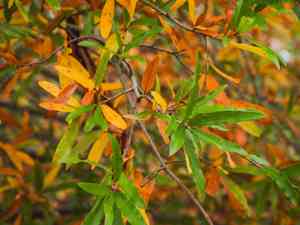
Willow oak's aesthetic charm stems from its graceful, slender leaves and balanced form. Its glossy, vibrant green foliage offers a striking contrast to many other plants, adding visual intrigue and texture to your garden. As an added bonus, its leaves transform into a stunning golden yellow in autumn, providing a seasonal burst of color. Moreover, Willow oak's elegant shape makes it an ideal specimen tree, standing out as a majestic focal point in any landscape design.
Optimal Placement for Willow Oak in Your Landscape
Selecting the appropriate site
Choosing the correct location for Willow oak is vital for its vitality and longevity. Seek a spot that provides ample space for the tree to reach its full potential, considering both height and width. Avoid areas where its root system might interfere with pathways or foundations. Willow oak also thrives in locations shielded from strong winds, which can help it develop a robust, stable structure over time.
Sunlight and soil requirements
Willow oak flourishes in areas receiving full sun to partial shade. While it adapts to various soil types, it prefers well-drained, slightly acidic soils. Testing and amending your soil to meet these conditions can foster better growth and overall tree health. Consistent watering, especially during dry spells, ensures Willow oak stays hydrated and continues to thrive throughout the growing season.
Design Concepts Featuring Willow Oak
Single specimen prominence
Utilizing Willow oak as a solitary specimen tree can create a striking centerpiece in your garden. Its dramatic silhouette and dense canopy make it a natural focal point, drawing the eye and adding structure to your landscape. Planting Willow oak as a standalone feature allows it to display its full, symmetrical form, making a bold statement.
Crafting natural privacy screens
For those desiring seclusion, planting Willow oak in a row can form an effective and attractive natural barrier. This is particularly useful for obscuring undesirable views or creating private garden areas. Its dense foliage provides excellent coverage, contributing to both the aesthetic and practical aspects of your landscape design.
Adorning pathways or driveways
Lining pathways or driveways with Willow oak creates a grand, welcoming entrance to your home. The symmetrical shape and seasonal color changes of Willow oak enhance the visual appeal of these areas, creating a sense of elegance and continuity. This design strategy not only beautifies these functional spaces but also integrates them harmoniously into the overall landscape.
Companion Planting for Willow Oak
Choosing complementary plants
When selecting companion plants for Willow oak, consider those that thrive under similar conditions to ensure compatibility. Low-growing shrubs and groundcovers can help highlight Willow oak's trunk and provide an attractive underplanting. Additionally, choosing plants with complementary foliage or flower colors can enhance the overall aesthetic appeal of the landscape.
Flowers and shrubs that enhance Willow oak's beauty
To accentuate Willow oak's best features, pair it with flowering shrubs like azaleas or hydrangeas, which can add bursts of color and contrast to the scene. Evergreen shrubs can provide year-round interest and a lush backdrop for Willow oak's seasonal transformations. Employing a variety of plant heights and textures will create depth and visual interest in your garden.
Seasonal Maintenance Advice for Willow Oak
Spring and summer upkeep
During the spring and summer months, ensure Willow oak receives sufficient water, especially during dry periods. Mulching around the base can help retain moisture and regulate soil temperature. Pruning in early spring can encourage a strong structure and remove any damaged or diseased branches, promoting overall health and growth.
Autumn and winter strategies
In autumn, be mindful of leaf drop, which can be used as mulch or compost. Preparing Willow oak for winter involves protecting its roots with an extra layer of mulch to insulate against cold temperatures. During the dormant winter months, minimal care is needed, but occasional checks for signs of disease or pest activity can prevent issues from developing.



