Enhancing Your Garden Design with the Northern red oak Plant: A Landscaping Guide
1
The Northern red oak offers striking aesthetic appeal throughout the year, enriching any outdoor space.
2
Incorporating Northern red oak into your garden aids environmental preservation and benefits native fauna.
3
Optimal placement and consistent care are crucial for robust and flourishing Northern red oak specimens.
Introduction to Northern red oak in Landscaping
Understanding the aesthetic value of Northern red oak
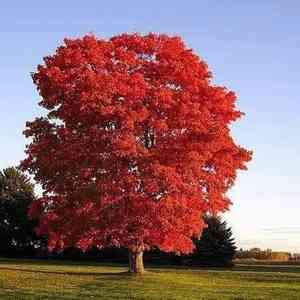
Northern red oak excels in landscape design due to its grand appearance and adaptability. The tree's wide, spreading canopy offers ample shade, making it a central element in any garden. Its striking autumn foliage, with vivid reds and russets, adds seasonal interest and visual appeal. Furthermore, its sturdy trunk and branch structure provide architectural beauty, even in winter's bare scenery.
Brief overview on Northern red oak's popularity in landscape settings
Northern red oak has become popular in various landscape environments because of its flexibility and simple care. It fits equally well in home gardens, parks, and large estates. Its capacity to endure diverse climate conditions, combined with relatively low maintenance needs, makes it a preferred option for many landscapers and homeowners alike.
The Role of Northern red oak in Eco-Friendly Landscaping
Benefits of using Northern red oak for sustainable landscapes
Integrating Northern red oak into your landscape promotes sustainability. The tree is known for its ability to enhance air quality by absorbing pollutants and releasing oxygen. Its extensive root system helps prevent soil erosion, fostering soil health. Moreover, Northern red oak requires minimal chemical inputs, which reduces the environmental impact of your gardening practices.
How Northern red oak supports local wildlife and biodiversity
Northern red oak plays a vital role in supporting local wildlife. Its acorns serve as a crucial food source for various birds and mammals. The dense canopy provides shelter and nesting sites for birds, while the tree's bark and leaves host numerous insects, forming a dynamic ecosystem. Planting Northern red oak thus contributes to biodiversity, creating a balanced and thriving natural environment.
Choosing the Right Location for Northern red oak
Factors to consider when planting Northern red oak
To ensure the healthy development of Northern red oak, selecting an appropriate planting site is crucial. Consider the tree's mature size, as it can spread widely and requires sufficient room to flourish. Ensure the location receives full sun to partial shade, as Northern red oak prefers these light conditions. Additionally, avoid areas with heavy foot traffic or close proximity to structures to prevent damage to roots and branches.
Ideal soil conditions for Northern red oak
Northern red oak thrives in well-drained, loamy soil that is slightly acidic to neutral. It's important to test your soil's pH and amend it if necessary to create optimal conditions. Good soil drainage is crucial to prevent root rot and other moisture-related issues. Amending the soil with organic matter can enhance its fertility and texture, supporting robust growth for Northern red oak.
Seasonal Considerations for Northern red oak
What to expect from Northern red oak across different seasons
Each season brings distinct characteristics for Northern red oak. In spring, anticipate vibrant new leaves and blossoms that signal the tree's return to activity. Summer provides lush foliage and shade. Fall is perhaps the most spectacular, with a dazzling display of red and russet leaves. In winter, the tree's strong, bare branches offer a stark yet beautiful landscape feature.
Tips on maintaining the health of Northern red oak year-round
Maintaining Northern red oak throughout the year involves regular inspections for pests and diseases, appropriate watering, and seasonal pruning. In spring, apply a slow-release fertilizer to promote growth. During dry spells, ensure the tree is adequately watered, especially in the first few years after planting. Fall is an ideal time for pruning to remove dead or diseased branches, helping the tree withstand winter storms.
Incorporating Northern red oak into Various Landscape Designs
Using Northern red oak in traditional garden designs
In traditional garden designs, Northern red oak can serve as a focal point due to its majestic stature. Plant it as a standalone specimen or as part of a mixed border to provide structure and height. Complement Northern red oak with understory plantings like shade-tolerant perennials, shrubs, and groundcovers to create a layered, classical look.
Creative ways to feature Northern red oak in modern landscapes
For modern landscapes, consider using Northern red oak in less conventional ways. Its architectural form fits well in minimalist designs. Plant Northern red oak strategically along pathways or driveways to create natural, living walls. Use its canopy to define outdoor living spaces, providing a natural roof for seating or dining areas. Pair with contemporary hardscaping materials like concrete or steel for a striking contrast.



