Enhancing Your Garden Design with the Island live oak Plant: A Landscaping Guide
1
Island live oak greatly enhances garden biodiversity, aiding local fauna.
2
Optimal positioning is vital for Island live oak, needing good drainage and ample sun.
3
Combine Island live oak with suitable plants for a beautiful and balanced garden design.
Introducing Island live oak for Landscaping
Overview of Island live oak's visual appeal and practical advantages
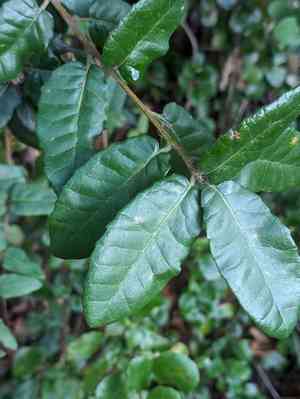
Island live oak distinguishes itself in landscaping due to its unique blend of attractiveness and usefulness. Its dense leaves offer an appealing, green backdrop that can serve as a focal point in your garden. With a sturdy build, Island live oak is also recognized for its resilience, making it a sensible option for areas prone to strong winds or fluctuating weather. Furthermore, the tree's evergreen nature ensures your landscape stays vibrant all year, providing shade in summer and acting as a vital windbreak during colder periods.
The role of Island live oak in biodiversity and environmental sustainability
Incorporating Island live oak into your landscape actively promotes biodiversity and environmental sustainability. This species is known for its wildlife-friendly traits, providing shelter and food for various birds, insects, and small mammals. As part of a sustainable landscape plan, Island live oak can enhance soil health through its leaf litter, which decomposes to enrich the soil with organic matter. Moreover, by absorbing carbon dioxide, Island live oak helps reduce greenhouse gases, making your garden not only more beautiful but also ecologically beneficial.
Selecting the Ideal Spot for Island live oak
Assessing soil conditions and sunlight for optimal growth
The successful cultivation of Island live oak in your landscape largely depends on choosing the correct location. Begin by evaluating your soil to confirm it drains well, as Island live oak does not thrive in waterlogged conditions. A slightly acidic to neutral pH is perfect. Sunlight is another critical factor; Island live oak prefers full sun to partial shade, allowing it to develop its characteristic dense canopy. Ensure the planting site receives at least six hours of daily sunlight for best growth.
Understanding spacing requirements for Island live oak in landscape design
Appropriate spacing is crucial for Island live oak to mature without competition from nearby plants. Consider the tree's full size when planning your landscape. Typically, Island live oak needs ample room both vertically and horizontally, reaching up to 60 feet tall and spreading equally wide. Maintain a minimum distance of 20-30 feet from structures, other trees, and utility lines. This spacing allows Island live oak to grow healthily, and its roots to expand without causing issues to adjacent structures.
Integrating Island live oak with Other Plant Varieties
Complementary plant species that enhance Island live oak's beauty
To highlight Island live oak's best features, plant it alongside species that complement its characteristics. Consider pairing it with smaller shrubs and groundcovers like native grasses or perennials that flourish in filtered shade. Flowering plants such as hydrangeas or azaleas can also improve Island live oakâs appearance by offering seasonal color that contrasts with its evergreen foliage. Choose companion plants that thrive in similar soil and light conditions to ensure a cohesive and flourishing landscape.
Creating harmonious color and texture combinations
Achieving an aesthetically pleasing landscape involves thoughtful combinations of color and texture. Island live oak's dark green leaves provide an excellent backdrop for lighter, more vibrant plants. Incorporate plants with varying leaf sizes and textures to add depth; for instance, fine-textured grasses paired with the broader leaves of Island live oak create visual interest. Seasonal blooming plants can add color contrasts, while evergreens contribute to a harmonious and balanced look year-round.
Maintaining Island live oak in Your Landscape
Seasonal considerations for optimal health
Maintaining Island live oak involves seasonal tasks to ensure its health and vigor. In spring, inspect for any winter damage and prune dead or diseased branches to encourage healthy new growth. Summer requires consistent watering, especially during dry periods, to support lush canopy development. Fall is the time to prepare Island live oak for winter by applying mulch around the base to retain moisture and reduce frost damage. Regular monitoring for pests and diseases throughout the year is crucial to address any issues promptly.
Quick tips for long-term care and maintenance of Island live oak
For long-term care, ensure Island live oak is watered deeply and infrequently to promote deep root growth. Mulch around the tree regularly to maintain soil moisture and temperature. Fertilize during its early years to establish a strong root system, and maintain a mulch barrier around the base to prevent weed competition. Regular pruning helps maintain its shape and remove any unhealthy growth, fostering a robust and attractive tree in your landscape for years to come.



