Enhancing Your Garden Design with the China rose Plant: A Landscaping Guide
1
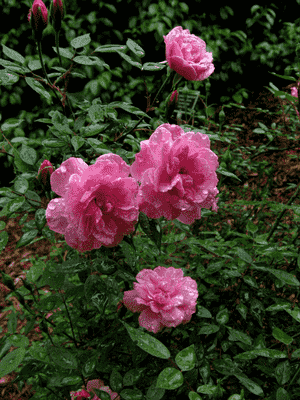
The China rose makes for an impressive centerpiece in any garden design.
2
Combining China rose with suitable companion flora can enhance your landscape's visual appeal.
3
Knowing the yearly requirements of China rose guarantees its continuous splendor and vitality.
Introducing China rose into Garden Designs
Selecting Optimal Spots for China rose in Your Landscape
When incorporating China rose into your garden, placement is key. These adaptable plants flourish in sunny areas, ideally receiving at least six hours of direct sunlight daily. Beyond sunlight, ensure your chosen site offers well-drained soil to prevent water accumulation. Position China rose where they are easily visible and enjoyable, such as along paths or near seating, making them a highlight in your outdoor space.
Harmonizing Color and Structure with China rose
China rose introduces a burst of vivid color and distinct form to any garden layout. Their blooms can add a touch of grace and charm, complementing other plants and garden elements. To achieve a balanced look, consider China roseâs growth pattern and flowering period. Pair them with plants that possess contrasting yet complementary colors and shapes. This equilibrium will foster a pleasing and unified aesthetic throughout your landscape.
Establishing Focal Points Using China rose
One of the most effective ways to enhance your garden is by utilizing China rose to create striking focal points. Place them strategically at the core of garden beds or use them to anchor the ends of hedges and borders. The visually captivating flowers of China rose attract attention and can establish a central theme within the garden. By contrasting their beauty with simpler surrounding plants, you can design a landscape that is both dynamic and inviting.
Pairing China rose with Other Flora
Ideal Companion Plants for China rose
Choosing suitable companion plants for China rose can significantly boost your garden's overall appeal. Excellent companions include perennials and annuals that complement China rose's growth and color scheme. Lavender, catmint, and salvias are superb choices as their purples and blues offer a beautiful contrast to China roseâs hues. Ground-cover plants like creeping thyme also work well, providing a lush base that accentuates China rose's impressive blooms.
Designing Plant Tiers in Your Landscape with China rose
Layering plants within your landscape enhances depth and visual appeal. Begin with taller plants at the rear and gradually transition to shorter ones in the foreground. China rose can serve as the mid-level centerpiece in this arrangement, adding structural interest and vibrant color. Use low-growing plants like sedum or ajuga in the front and taller ornamental grasses or shrubs in the back to create a well-balanced and tiered garden.
Seasonal Considerations for China rose
The Flowering Cycle of China rose
China rose possesses a distinct blooming cycle that can dictate the rhythm of your gardenâs visual display. Typically, China rose flowers in early to mid-summer, offering vibrant colors that can persist for several weeks. To maximize their visual impact, plant various species that bloom at different times, ensuring continuous color throughout the growing season. Understanding and anticipating these cycles allows for improved planning and more dynamic garden aesthetics.
Preparing China rose for Seasonal Changes
Proper seasonal preparation is vital for maintaining the health and beauty of China rose. In spring, apply mulch to retain moisture and suppress weeds. During the growing season, consistent watering and feeding ensure vigorous growth. As autumn approaches, prune back any dead or diseased wood and apply a layer of compost to replenish soil nutrients. In colder climates, winter protection like burlap wraps can shield China rose from harsh conditions, promoting a healthy resurgence in spring.
Maintaining the Aesthetic Appeal of China rose
Pruning Methods for Healthier China rose
Pruning is essential for keeping China rose healthy and visually appealing. The optimal time to prune is late winter or early spring before new growth commences. First, remove any dead or damaged branches. Next, thin out congested areas to allow light and air penetration, which helps prevent disease. Careful pruning encourages better bloom production and maintains the desired shape and size of your plants.
Addressing Common Issues with China rose
While China rose is relatively easy to care for, it can still encounter challenges such as pests, diseases, and environmental stressors. Common problems include aphids, black spot, and powdery mildew. Regular inspections and prompt interventions, such as using insecticidal soap or fungicides, can keep these issues under control. Additionally, providing adequate water and nutrients, along with proper airflow and light, can alleviate many common gardening problems and keep China rose thriving.



