Enhancing Your Garden Design with the Orange coneflower Plant: A Landscaping Guide
1
Cultivate Orange coneflower in soil that drains effectively for best development.
2
Orange coneflower draws in beneficial insects, enhancing your garden's ecological balance.
3
Orange coneflower needs little care after it has settled in.
Appreciating the Aesthetic Appeal of Orange Coneflower
Bright, eye-catching hues that grab attention
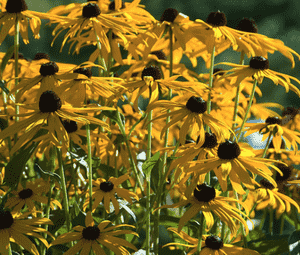
A key characteristic of Orange coneflower is its vivid, striking colors that instantly capture the gaze. With its prominent yellow-orange petals, Orange coneflower naturally becomes a focal point in any garden setting. Its brilliant blooms not only add a burst of color but also draw in butterflies and other pollinators, boosting the biodiversity of your outdoor space. Introducing Orange coneflower can transform a dull area into a lively and energetic spot.
Lush foliage that fills garden areas
Beyond its beautiful flowers, Orange coneflower features abundant green leaves that effectively occupy garden spaces. The dense foliage provides a textural contrast that can complement other plants, serving as a backdrop for more delicate blossoms to stand out. This plant's leaves are not only visually appealing but also practical, as they can help suppress weeds and retain soil moisture.
Seasonal flowering for continuous allure
A significant benefit of Orange coneflower is its extended blooming period, typically lasting from midsummer until the first frost. This prolonged flowering keeps your garden looking vibrant and alive, maintaining visual appeal across various seasons. As some plants fade with the summer heat, Orange coneflower continues to flourish, ensuring your garden remains colorful and lively well into autumn.
Integrating Orange Coneflower into Diverse Landscape Styles
Enhancing formal gardens with organized Orange coneflower plantings
Orange coneflower can be successfully incorporated into formal garden designs through structured arrangements. Plant Orange coneflower in neat, symmetrical patterns to establish a sense of order and sophistication. Utilize it to border pathways or define garden beds, where its upright growth habit can accentuate the geometric designs common in formal landscapes. Its bright flowers act as rhythmic accents in a meticulously planned garden layout.
Boosting cottage gardens with the natural charm of Orange coneflower
For those who prefer the wild, romantic appeal of a cottage garden, Orange coneflower fits perfectly with its informal, naturalistic allure. In these environments, Orange coneflowerâs exuberant growth and cheerful blooms contribute to the garden's relaxed and idyllic atmosphere. Combine Orange coneflower with other classic cottage garden plants such as roses, hollyhocks, and delphiniums to create a rich tapestry of color and texture that flows harmoniously.
Utilizing Orange coneflower in modern landscapes for bold, artistic statements
In contemporary landscapes, Orange coneflower can be employed to create striking, artistic expressions. Plant Orange coneflower in large groupings or repeating patterns to generate visual impact and guide the eye through the garden space. Its vibrant colors and strong lines can serve as living sculptures within minimalist or modern designs. Pair Orange coneflower with grasses and architectural plants for a dramatic, contemporary effect.
Seasonal Considerations for Orange Coneflower in Landscaping
Optimal planting times for best growth
To ensure the finest outcomes, plant Orange coneflower in the spring or early autumn. This timing allows the plant to establish its root system before the extreme temperatures of summer or winter arrive. Planting in well-drained soil with ample sunlight will also promote optimal growth and abundant blooms.
Preparing Orange coneflower for seasonal changes
As seasons shift, a few simple steps can help prepare Orange coneflower for continued success. In late fall, trim back the stems to a few inches above the ground to prevent winter damage and encourage vigorous growth in the spring. Mulching around the base in winter can protect the roots from frost and retain moisture, ensuring the plant's longevity.
Durability and perennial advantages in various climates
Orange coneflower is a resilient perennial, meaning it will return year after year with proper care. Suitable for a wide range of climates, Orange coneflower offers lasting beauty with minimal upkeep. Its ability to withstand cold winters and hot summers makes it an ideal choice for many different regions, providing long-term aesthetic appeal and ecological benefits.
Pairing Orange Coneflower with Other Plants for Stunning Results
Choose companions that enhance Orange coneflower's color and texture
Select complementary plants that will highlight the best features of Orange coneflower. Purple coneflowers, catmint, and ornamental grasses are excellent choices that complement the vibrant colors and textures of Orange coneflower. The contrasting hues and forms can create a balanced and visually appealing garden display.
Design tips for layering and varying heights
Effective garden design often involves arranging plants of different heights and textures in layers. Position taller plants like Orange coneflower towards the back of the garden bed, with shorter plants in front. This creates depth and visual interest, making your garden appear fuller and more dynamic. Use Orange coneflower as a middle layer between ground covers and taller shrubs or trees.
Maintenance compatibility between Orange coneflower and other garden plants
Consider the care requirements of Orange coneflower and its companion plants to create a cohesive and manageable garden. Plants that share similar water and sunlight needs will thrive together, reducing the time and effort required for upkeep. For example, drought-tolerant perennials like lavender and sedum can make excellent companions, ensuring a low-maintenance yet stunning garden.



