Enhancing Your Garden Design with the Black-eyed susan Plant: A Landscaping Guide
1
Rudbeckia hirta flourishes in bright sunlight and soil that drains effectively.
2
Rudbeckia hirta complements other plants that prefer sun, creating a lively garden scene.
3
Consistent upkeep and seasonal attention guarantee Rudbeckia hirta continues to be a garden focal point.
Introducing Black-eyed Susan to Your Landscape
Appreciating the aesthetic charm of Black-eyed Susan
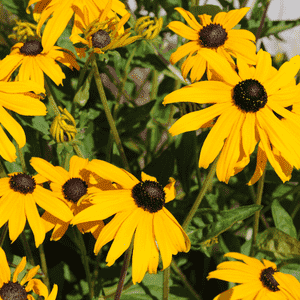
Black-eyed Susan is celebrated for its captivating look, featuring vibrant, daisy-like blossoms with a prominent, dark core. This plant can infuse any garden or outdoor space with a burst of cheerfulness through its eye-catching hues, making it a beloved choice for both gardeners and landscape designers. Its lively petals draw in pollinators like butterflies and bees, rendering it not only beautiful but also ecologically beneficial.
Recognizing Black-eyed Susan's adaptability across diverse landscaping styles
Black-eyed Susan is remarkably adaptable and can be integrated into various landscaping aesthetics, from rustic cottage gardens to sleek modern layouts. Whether your goal is a wild, natural appearance or a refined, contemporary feel, Black-eyed Susan can adjust and flourish. Its capacity to thrive in different garden settings makes it a valuable asset to any landscaping endeavor.
Selecting the Optimal Location for Black-eyed Susan
Evaluating light exposure and soil conditions ideal for Black-eyed Susan
For Black-eyed Susan to thrive, it's vital to plant it in a spot that receives direct sunlight for at least six hours daily. The soil must drain well to prevent water accumulation, which can harm the roots. Perform a soil analysis if needed to confirm its suitability, and enrich it with compost to improve fertility and drainage as required.
Considering Black-eyed Susan's growth habit and spatial needs
Black-eyed Susan typically reaches a height of about 1-3 feet and spreads approximately 2-3 feet wide. When choosing a site, allocate sufficient room to accommodate its mature dimensions. Account for its growth pattern to ensure it doesn't overshadow smaller plants but rather complements its neighboring flora.
Incorporating Black-eyed Susan with Other Flora
Advice for companion planting with Black-eyed Susan
Companion planting with Black-eyed Susan can boost garden biodiversity and visual appeal. It pairs wonderfully with other sun-loving perennials such as coneflowers, lavender, and yarrow. Grouping Black-eyed Susan with these companions can create a dynamic garden with varied heights and textures, offering year-round interest.
Methods to achieve color and texture contrasts using Black-eyed Susan
Black-eyed Susan's bright yellow or orange petals, coupled with its dark center, can provide a striking contrast when combined with plants showcasing different colors and textures. Consider blending Black-eyed Susan with plants that have purple, blue, or white flowers for a pleasing complementary effect. Incorporating diverse leaf shapes and sizes also enhances the visual intrigue of your landscape design.
Maintaining Black-eyed Susan's Splendor
Fundamental guidelines to keep Black-eyed Susan flourishing in your garden
Consistent watering, particularly during dry periods, is crucial for sustaining Black-eyed Susan's health. Applying mulch around the base helps retain soil moisture and inhibit weed growth. Removing spent flowers encourages continuous blooming throughout the active growth period. Fertilize once or twice during the growing season with a balanced feed to promote robust development.
Seasonal considerations for Black-eyed Susan upkeep
As seasons shift, so should your care regimen for Black-eyed Susan. In spring, prune back old foliage to stimulate new growth. During summer, monitor for pests and diseases, treating organically when necessary. In autumn, cut plants back to the ground after the initial frost and consider applying a layer of mulch to safeguard the roots through winter. Adhering to these seasonal recommendations ensures Black-eyed Susan remains a perennial highlight in your garden.



