Enhancing Your Garden Design with the Buckler-leaved sorrel Plant: A Landscaping Guide
1
Buckler-leaved sorrel offers a distinct visual charm due to its unique leaf form and hue.
2
Buckler-leaved sorrel flourishes optimally in properly prepared soil and suitable sun exposure.
3
Given adequate attention, Buckler-leaved sorrel can sustain local fauna and enhance your garden's layout.
Exploring the Visual Appeal of Buckler-leaved Sorrel
Appearance: Distinctive Leaf Form and Hue
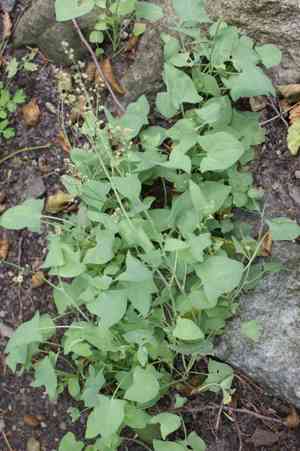
A prominent characteristic of Buckler-leaved sorrel is its singular leaf shape, frequently likened to a buckler. These leaves introduce an engaging visual texture to your garden, making Buckler-leaved sorrel an excellent option for adding variety. Moreover, the leaf coloration provides a lively accent, typically displaying a rich green that can brighten any area. This blend of form and color establishes Buckler-leaved sorrel as a central element in landscape designs.
Seasonal Transformations and Their Contribution to Garden Beauty
Buckler-leaved sorrel provides continuous visual interest throughout the year. Its leaves are most vibrant during the active growth period, while in autumn, you might observe subtle tonal shifts that enrich your garden's color scheme. Understanding these seasonal shifts helps in planning your garden to enjoy year-round visual appeal, ensuring Buckler-leaved sorrel remains a captivating feature through changing seasons.
Selecting the Ideal Spot for Buckler-leaved Sorrel in Your Garden
Sunlight Needs: Locating the Best Position
For Buckler-leaved sorrel to flourish, it requires an appropriate amount of sunlight. Ideally, Buckler-leaved sorrel prefers partial to full sun exposure. Finding a location that provides approximately six hours of daily sunlight will promote healthy plant development. However, in particularly hot climates, consider a spot that offers some afternoon shade to prevent leaf scorching.
Soil Conditions and Preparation Advice
Preparing the soil for Buckler-leaved sorrel involves ensuring proper drainage and sufficient nutrients. Buckler-leaved sorrel thrives in slightly acidic to neutral pH levels, and you can enhance soil quality by incorporating organic matter such as compost. Before planting, loosen the soil to improve root penetration and moisture retention. These steps create an optimal soil environment for Buckler-leaved sorrel's growth.
Companion Planting with Buckler-leaved Sorrel
Beneficial Adjacent Plants for Buckler-leaved Sorrel
Choosing suitable companion plants can boost Buckler-leaved sorrel's growth and garden attractiveness. Plants like marigolds, chives, and garlic are excellent companions as they can naturally deter pests. Additionally, herbs such as thyme and rosemary can coexist harmoniously with Buckler-leaved sorrel, offering a complementary aesthetic and culinary advantages.
Avoiding Incompatible Plant Pairings
While companion planting aids growth, it's equally important to steer clear of unfavorable plant combinations. Plants that require significantly different soil pH or moisture levels can negatively impact Buckler-leaved sorrel's health. For instance, avoid placing Buckler-leaved sorrel near heavy feeders like tomatoes or cabbage, as they can outcompete Buckler-leaved sorrel for nutrients, hindering its development.
Long-term Care and Seasonal Maintenance for Buckler-leaved Sorrel
Pruning Methods for Enhanced Vigor
Pruning is crucial for maintaining Buckler-leaved sorrel's health and appearance. Regularly remove any yellowed or damaged leaves to stimulate new growth. Pruning also helps to maintain the plant's form and size, preventing it from becoming too leggy. Aim for a neat, natural shape by trimming back any excessively long stems, which keeps Buckler-leaved sorrel looking lush and healthy.
Addressing Seasonal Issues Affecting Buckler-leaved Sorrel
Each season presents distinct challenges for maintaining Buckler-leaved sorrel. During colder months, shield Buckler-leaved sorrel from frost using mulch or a garden fabric cover. In the summer, ensure adequate watering to prevent the soil from drying out. Monitoring your plant through seasonal changes will help you promptly address issues like pest infestations or nutrient deficiencies.
Utilizing the Advantages of Buckler-leaved Sorrel in Landscaping
Ecological Benefits: Supporting Local Fauna
Buckler-leaved sorrel is not merely a visual delight; it also supports local wildlife. Its abundant leaves can provide shelter for various insects and invertebrates. Furthermore, Buckler-leaved sorrel helps improve soil quality by preventing erosion and can contribute to a balanced ecosystem in your garden, attracting beneficial insects and pollinators which contribute to a healthier garden environment.
Aesthetic Value: Improving Overall Landscape Design
Incorporating Buckler-leaved sorrel into your landscaping enhances the garden's overall aesthetic. It performs well in various settings, from border plants to container gardening. Its distinctive foliage contrasts beautifully with more common garden plants, creating an eye-catching display. By thoughtfully integrating Buckler-leaved sorrel, you can achieve a more dynamic and visually pleasing garden landscape.



