Enhancing Your Garden Design with the Rue Plant: A Landscaping Guide
1
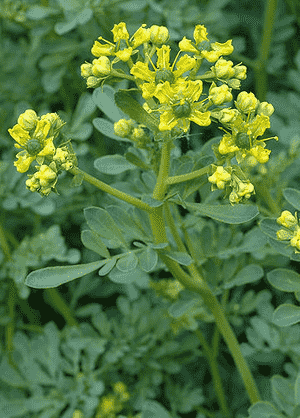
Rue significantly enhances garden diversity through its varied plant textures.
2
It flourishes in sunny locations with good soil drainage, fitting well into various landscapes.
3
Rue provides year-round visual appeal due to its distinct leaves and structural shape.
Introducing Rue to Your Garden
Why Choose Rue for Your Landscape?
Incorporating Rue into your garden offers multiple advantages. This plant is recognized for its fragrant leaves and striking look, making it a distinctive addition to any outdoor space. Furthermore, its low-maintenance nature means you can enjoy its beauty without constant upkeep. Whether you're a beginner gardener or an experienced landscaper, Rue can seamlessly integrate into your current garden plan.
Understanding the Growth Patterns of Rue
Rue exhibits a unique growth habit that can influence its placement in your landscape. Typically, Rue develops into a dense, rounded form, reaching heights of up to 2-3 feet. Grasping this growth pattern helps you determine optimal positioning to complement other plants and prevent overcrowding. Be mindful of its mature size to ensure each plant has ample room to flourish.
Site Selection for Rue: Tips for Optimal Placement
Choosing the correct location for Rue is vital for its development and your garden's overall aesthetic. This plant thrives in well-drained soil and prefers full sun but can endure partial shade. When planting, consider spots that receive at least six hours of daily sunlight. Additionally, think about the plant's visibility and its contribution to the broader landscape design.
Aesthetic Benefits of Rue
Enhancing Color Schemes with Rue
Rue can significantly enrich your garden's color palette. Its blue-green foliage provides a striking contrast to more vibrant plants, adding depth to your garden's visual appeal. Consider pairing Rue with brightly colored flowers to create eye-catching combinations that stand out throughout the growing season.
Texture and Structure: How Rue Complements Other Plants
The distinct texture and structure of Rue make it a valuable addition to any garden. Its feathery leaves offer a soft, delicate appearance that can balance the bold textures of other plants. Use Rue to create layers and add dimension to your garden beds, effectively enhancing the overall aesthetic without overwhelming the space.
Seasonal Interest: Rue Throughout the Year
One of Rue's prominent features is its capacity to provide interest across all seasons. In spring and summer, its foliage is lush and aromatic, adding a sensory element to your garden. During fall and winter, Rue retains its form and texture, offering a structural component that keeps your landscape engaging even in the off-season.
Integrating Rue With Other Elements
Pairing Rue with Hardscaping Features
Rue combines exceptionally well with various hardscaping elements. Consider planting it alongside stone pathways, retaining walls, or garden sculptures. The soft, rounded form of Rue can soften the harsh edges of these features, creating a harmonious balance between the natural and manmade components in your garden.
Combining Rue with Water Features
Incorporating Rue near water features like ponds, fountains, or waterfalls can enhance your garden's tranquil atmosphere. The calming presence of Rue complements the soothing sounds of water, contributing to a peaceful environment. Ensure that its placement avoids excessive splash damage to the foliage to maintain its health and appearance.
Creating Focal Points with Rue
Rue can be effectively utilized as a focal point in your garden design. Its distinctive shape and color attract attention, making it an ideal centerpiece for garden beds or as a standalone feature. By strategically placing Rue in prominent locations, you can guide the viewer's eyes and create visually appealing focal points within your landscape.
Maintenance Tips for Rue in Landscapes
Seasonal Care Tasks for Rue
Caring for Rue involves a few seasonal tasks to keep it healthy and vibrant. In spring, apply a balanced fertilizer to support new growth. During the growing season, ensure consistent watering, especially during dry spells. In winter, provide a light mulch layer to protect the roots from extreme temperatures while maintaining adequate drainage.
Managing Growth: Pruning and Trimming Rue
Regular pruning and trimming of Rue will help maintain its shape and promote healthy growth. Prune in early spring to remove any dead or damaged branches and to shape the plant. Light trimming throughout the growing season can encourage more compact growth and maintain a tidy appearance. Additionally, removing spent flowers can prevent the plant from becoming leggy.
Pest and Disease Prevention for Rue
While Rue is relatively pest and disease-resistant, it's essential to monitor for potential issues. Regularly check the plant for signs of pests such as aphids or spider mites and treat them promptly with insecticidal soap or natural predators. Ensure proper air circulation around the plant to prevent fungal diseases and avoid overwatering, which can lead to root rot.



