Enhancing Your Garden Design with the Weeping willow Plant: A Landscaping Guide
1
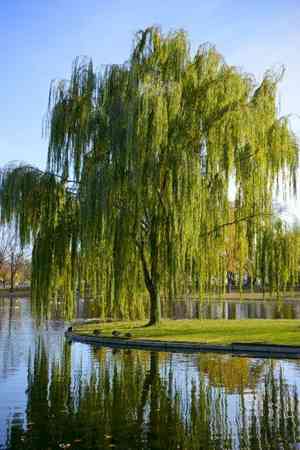
The weeping willow brings a classic sophistication to any outdoor area with its elegant, drooping branches.
2
Strategic placement of a weeping willow can elevate your garden's visual appeal while offering shade and peace.
3
Consistent care is crucial for maintaining the attractiveness and vitality of your weeping willow within the landscape.
Introducing the Weeping Willow in Landscape Design
Appreciating the visual charm of the Weeping Willow
The Weeping Willow is celebrated for its distinct and graceful appearance. Its cascading branches and delicate foliage create a curtain-like effect, bringing a sense of calm and romance to any garden. This majestic form is especially striking near water, where its reflection enhances natural beauty. For those seeking to add timeless elegance and serenity to their outdoor space, the Weeping Willow is an excellent choice.
The Weeping Willow's role in traditional and contemporary garden styles
The Weeping Willow excels in both classic and modern garden designs. In traditional settings, its elegant shape complements lush lawns, formal flower beds, and structured hedges. In modern landscapes, it offers a striking contrast to minimalist hardscapes like concrete paths and sleek garden furniture. Regardless of the style, the Weeping Willow can be adapted to enhance the overall aesthetic, providing versatility and cohesion to diverse landscape designs.
General advantages of incorporating Weeping Willow into outdoor areas
Beyond its visual appeal, the Weeping Willow offers several practical benefits. Its dense leaves provide excellent shade, creating a cool retreat on hot summer days. This can establish cooler microclimates that benefit nearby plants and garden users. Moreover, the Weeping Willow acts as a natural barrier against wind and noise, adding comfort and privacy to your outdoor space. Its root system, though extensive, helps prevent soil erosion, especially near water bodies.
Selecting the Perfect Spot for Your Weeping Willow
Considerations for positioning your Weeping Willow
Choosing the correct location for a Weeping Willow is vital for both its beauty and practicality. Consider the tree's mature dimensions, which can reach considerable height and width. Ensure there's ample room for its root system and canopy to expand. Additionally, Weeping Willows thrive best in areas with full sun to partial shade and consistently moist, well-drained soil. Placing it too close to buildings or underground utilities could lead to issues as the tree matures.
Integrating the Weeping Willow with other garden features
Integrating the Weeping Willow with other landscape elements can create a harmonious and visually pleasing garden. Pair it with complementary plants such as ornamental grasses, shade-loving perennials, or water-loving species to accentuate its beauty. Using the Weeping Willow as a backdrop for flower beds can provide structure and balance to the overall landscape design. Furthermore, placing seating areas beneath its canopy can transform it into a functional and inviting garden feature.
Tips for maximizing landscape aesthetics with the Weeping Willow
To fully leverage the Weeping Willow's aesthetic potential, consider its appeal across seasons. In spring, plant bulbs beneath it for early blooms and vibrant color contrasts. Summer annuals that thrive in partial shade can enhance the lushness of the area under the tree. Also, consider the Weeping Willow's reflection in water features – a strategically placed pond can create a picturesque scene. Lighting can play a dramatic role, with uplighting to highlight its graceful form at night.
Design Strategies: Making the Weeping Willow a Focal Point
Creative concepts for making the Weeping Willow your garden's centerpiece
Transforming the Weeping Willow into your garden's focal point can be a rewarding design challenge. One idea is to create a secluded garden room with the Weeping Willow as the central element, encircled by a bench for seating. Adding a stone pathway leading to the tree can draw attention, guiding visitors through your landscape. Enhancements like creeping ground cover or thoughtfully placed garden art can further emphasize the tree's majestic presence.
Combining the Weeping Willow with water features or sculptures
Pairing the Weeping Willow with water features elevates both elements. The tree's reflection in a pond or its branches arching over a stream can be breathtaking. Consider positioning the Weeping Willow to cascade over a garden pond or frame a fountain. Sculptures placed near or partially beneath the Weeping Willow can create enchanting visual narratives. The interplay of natural and man-made elements enriches the landscape, providing depth and intrigue.
Seasonal considerations for Weeping Willow placement and care
Each season presents unique requirements for the Weeping Willow. In spring, be mindful of new growth and ensure adequate watering. Summer demands diligent irrigation during dry spells, given the Weeping Willow's preference for moist conditions. Fall is the time for pruning and shaping to prepare it for winter. In winter, protective measures like mulching around the base can help shield the root system from extreme cold, ensuring the tree remains healthy year-round.
Maintaining the Weeping Willow's Beauty in Your Landscape
Essential maintenance advice for the Weeping Willow
Maintaining a Weeping Willow involves consistent watering, especially in its early years. Ensure the soil stays moist but not waterlogged. Annual pruning helps shape the tree and remove any dead or diseased branches. It's also crucial to monitor for pests and diseases, such as willow scab or aphids, and address them promptly. Additionally, applying a balanced fertilizer during the growing season can promote vigorous growth.
Addressing common issues with the Weeping Willow in landscaping
While beautiful, the Weeping Willow can present certain challenges. Its extensive root system can interfere with other plants and structures, so providing ample space is critical. Wind damage is another concern – due to its size and branch structure, strategic pruning can help prevent breakage. Regular inspections for signs of fungal infections or pest infestations can mitigate potential problems and keep the tree thriving.
Long-term growth and development of the Weeping Willow
Understanding the long-term growth pattern of the Weeping Willow is crucial for its successful integration into your landscape. This tree can grow quickly and reach significant heights, so planning for its mature size is essential. Regular maintenance and consistent care will support its longevity. Over the years, the Weeping Willow will evolve and become a centerpiece of your garden, offering beauty, shade, and ecological benefits to your landscape.



